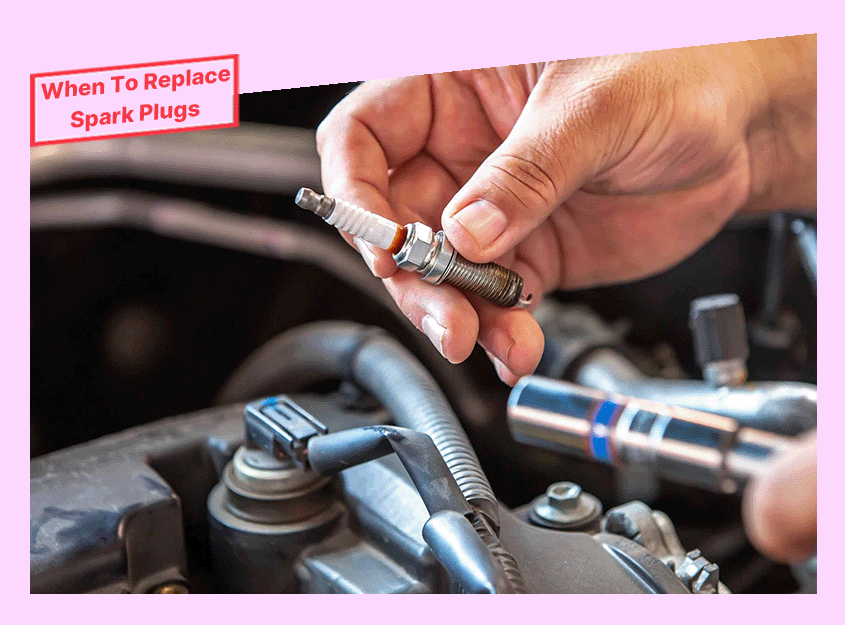
When to Replace Your Spark Plugs (And Why It Matters) 🔧
Words: AutoTrader NZ
Spark plugs might be small, but they play a big role in keeping your engine running smoothly. They ignite the air-fuel mixture in your engine – and without them, your car simply won’t run.
Over time, spark plugs wear out. Knowing when to replace them can improve fuel economy, performance, and prevent bigger engine issues.
What Do Spark Plugs Do?
Spark plugs create the spark that starts combustion in your engine cylinders. That tiny spark powers your car every time you press the accelerator.
When they wear down, performance suffers.
Signs Your Spark Plugs May Need Replacing
Watch for:
- 🚗 Rough idling
- ⛽ Poor fuel economy
- 🔄 Difficulty starting the engine
- ⚠️ Engine misfires
- 🐢 Sluggish acceleration
- 🔦 Check engine light
If your car feels less responsive than usual, spark plugs could be the reason.
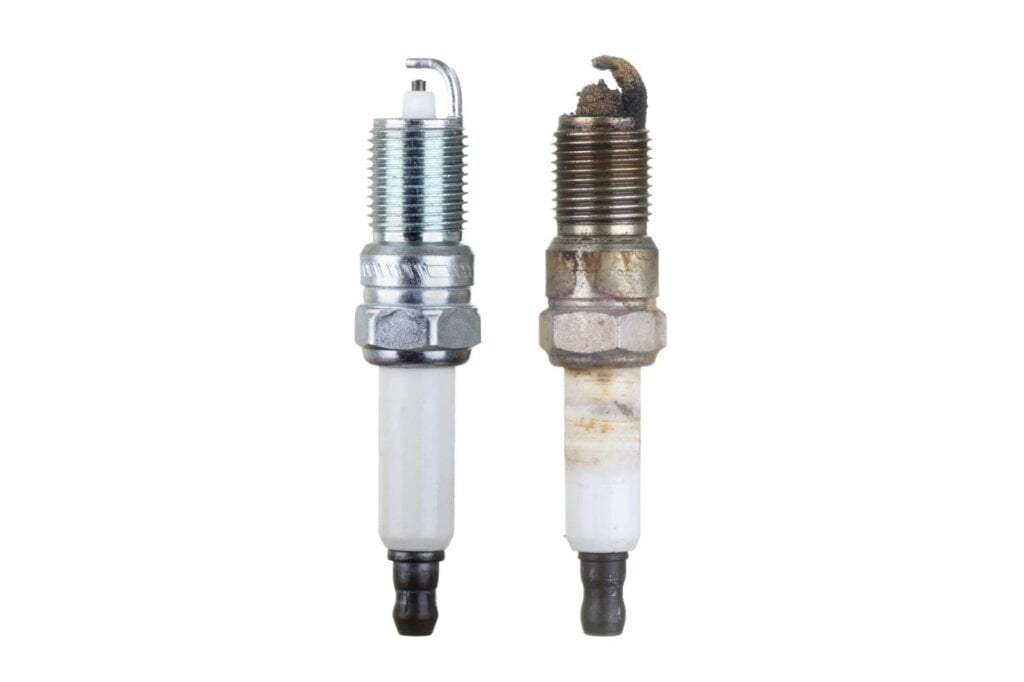
🔍 Worn vs New Spark Plug
A new spark plug looks clean, dry, and light grey with a sharp, defined tip.
A worn spark plug may have:
- Black, sooty buildup
- Oily residue
- White or burnt-looking tip
- A rounded or worn electrode
👉🏼 If the plug looks dirty, damaged, or the tip is worn down, it’s likely time for a replacement.
How Often Should Spark Plugs Be Replaced?
It depends on your vehicle and plug type:
- Standard copper plugs: 30,000-50,000 km
- Platinum or iridium plugs: 80,000-160,000 km
Always check your owner’s manual for your vehicle’s specific interval.
Why Replacing Them Matters
Worn spark plugs can lead to:
- Reduced fuel efficiency
- Increased emissions
- Engine strain
- Damage to ignition coils
Replacing them on schedule keeps your engine running efficiently and can save money long-term.
Can You Replace Them Yourself?
On some vehicles, spark plugs are accessible and straightforward to replace. On others, they may require removing engine covers or components.
If you’re unsure, a mechanic can replace them quickly during a routine service.
Bottom Line
Spark plugs are inexpensive compared to the problems worn ones can cause. Replacing them at the right time keeps your engine smooth, efficient, and reliable.
👉🏼 Small parts. Big impact.