2026 BMW R 1300 RS Review
Words: Amber Erasmus | Photos: Amber Erasmus
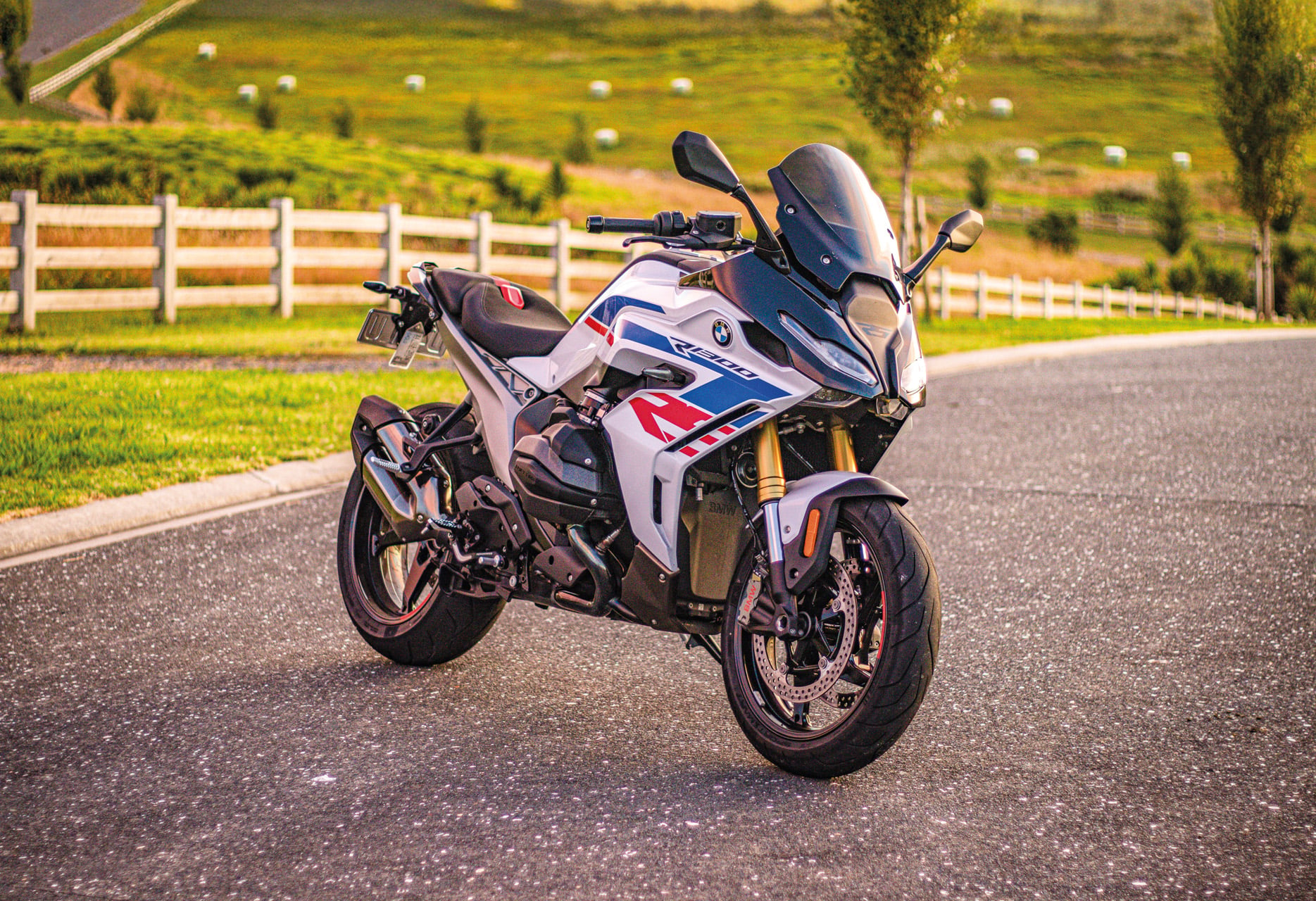
The BMW R1300RS Performance is one big bike that has no right being so easy to ride. And yet it is, even if you’re more of a jockey than a lock forward.
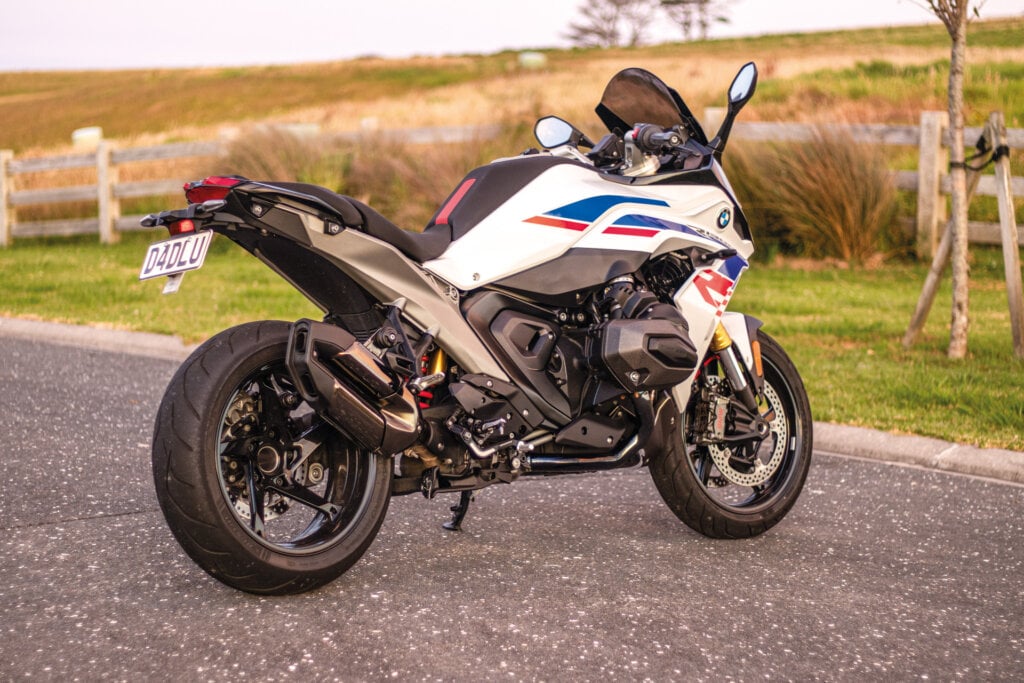
Let’s get this out of the way early: the BMW R1300RS is not a small bike. At around 245kg ready to ride, and with a seat height nudging into the low-800mm range in Performance trim, this is not something someone my size (five foot one, built more for aerodynamics than leverage) usually gravitates toward. This is the sort of bike that, on paper, should be a terrible idea. And yet…within about five minutes of riding, I was completely fine. Which is annoying. Because I was quite prepared to write about how terrifying it was.
I’ve always liked BMW. The cars, especially. I’ve had a few M Performance models over the years, so I tend to associate the brand with “engineered properly” rather than “good enough will do”. So when BMW handed over the keys to the R1300RS, I had expectations.
Not M1000RR expectations, this is a sport tourer, not a weapon, but still. This is supposed to be the thinking person’s fast bike. The one that can do distance but won’t fall apart the moment the road stops being boring. BMW calls it a “marathon” bike. Which is brand-speak for “you can ride this thing forever without hating yourself”. And honestly? Fair.
The Size Thing
Let’s address the obvious: I am not the target demographic for a 1300cc boxer. The Performance model sits slightly taller thanks to the sport suspension, and while I’m not flat-footing it like I would on a Ninja 400, I can get just enough foot on the ground to not feel like I’m about to topple over at every set of lights.
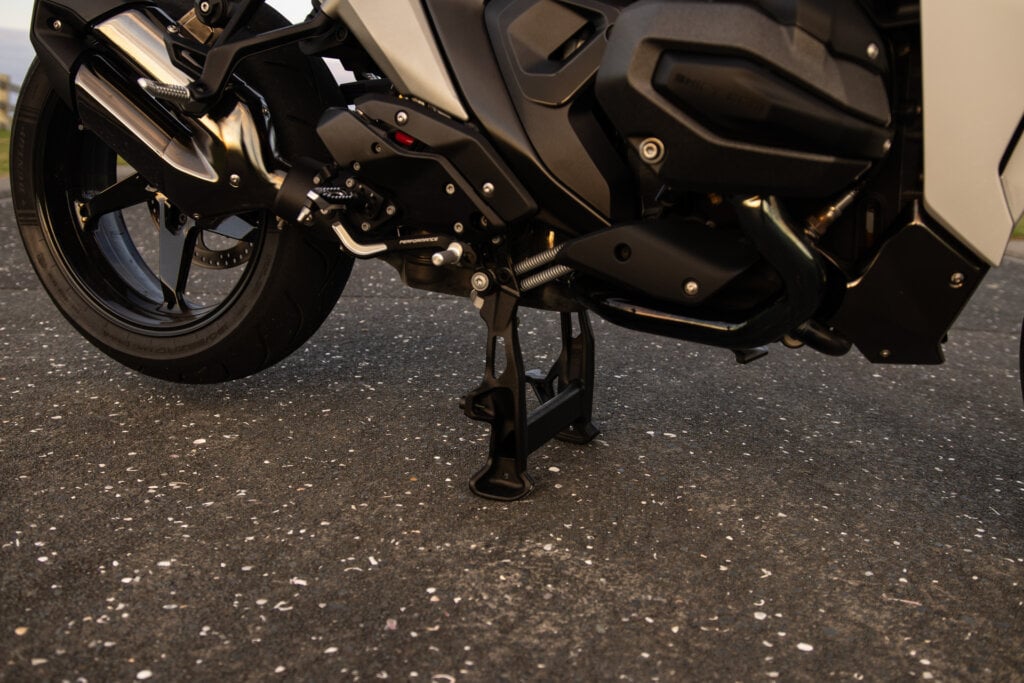
The real trick, though, is where the weight lives. Because of the boxer layout, everything heavy is down low. So, while the spec sheet says 245kg, the moment you lift it off the stand, your brain says “oh… that’s fine actually” It doesn’t feel top-heavy. It doesn’t feel awkward. It just feels stable. Around carparks, intersections, and general low-speed nonsense, it’s calm and predictable. And once you’re moving, the size basically disappears. Yes, it has an electronic centre stand. No, that does not mean it’s effortless. Don’t expect to see me casually popping this thing up in jandals. Some upper-body commitment is still required.
Boxer thump and grunt
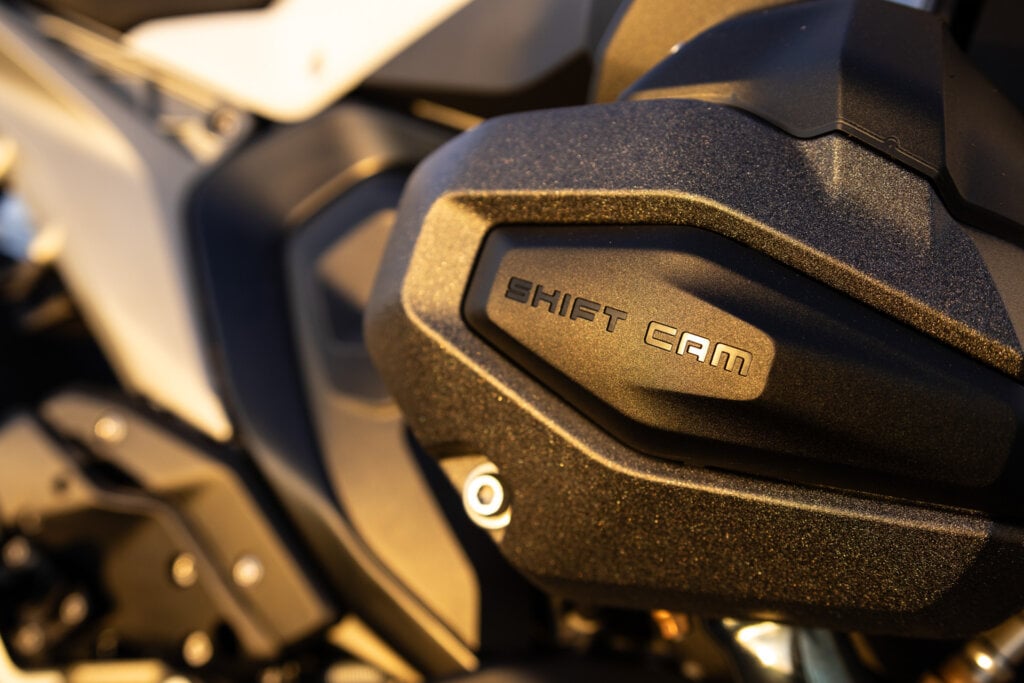
If you’re coming from an inline-four, the R1300RS is going to feel different immediately. It’s thumpy at idle. There’s vibration. And yes, sometimes the gearbox feels a little clunky. But that’s just boxer life. What you get in return is torque. And lots of it. Everywhere.
You don’t ride this bike by chasing revs. You ride it by rolling on and letting it do its thing. And when you do, it gathers speed far quicker than something this size has any right to. It’s also dangerously deceptive. You’ll look down and realise you’re going much faster than expected, because it never feels stressed about it. Which is how licences get lost.
My Fear of Change
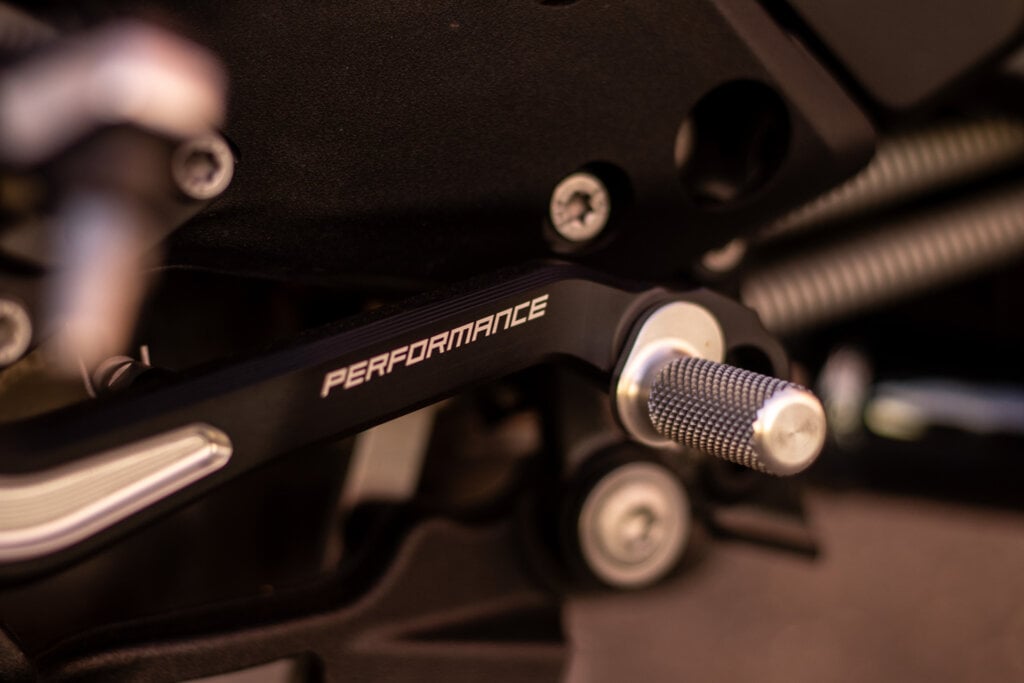
The bike I rode had BMW’s Shift Assistant Pro, so you can bang up and down through the gears without touching the clutch. It suits the relaxed-but-rapid nature of the bike really well, especially when you’re riding the torque instead of wringing its neck. The R1300RS can also be optioned with BMW’s new ASA system (Automated Shift Assistant), which removes the clutch lever entirely. You still shift with your foot, but the bike handles all clutch work for you. I sat on one before riding and immediately decided I was not emotionally ready for that future.
The bike I rode did not have ASA, and I’m okay with that. That said, there’s a lot of talk that ASA actually suits this bike extremely well and smooths out some of the low-speed clunkiness. Would I option it? Probably not. But I get it.
Hill hold assist deserves a mention. Actually, it deserves its own shrine. If you’re short, and you’ve ever stopped on a cambered hill with the wrong foot down and no access to the rear brake, you’ll understand the particular brand of panic that follows. Hill hold simply eliminates the fear. The bike stays put. You don’t roll backwards. You don’t do that awkward half-hop shuffle of doom. BMW, sincerely, thank you.
The Hamburger Button
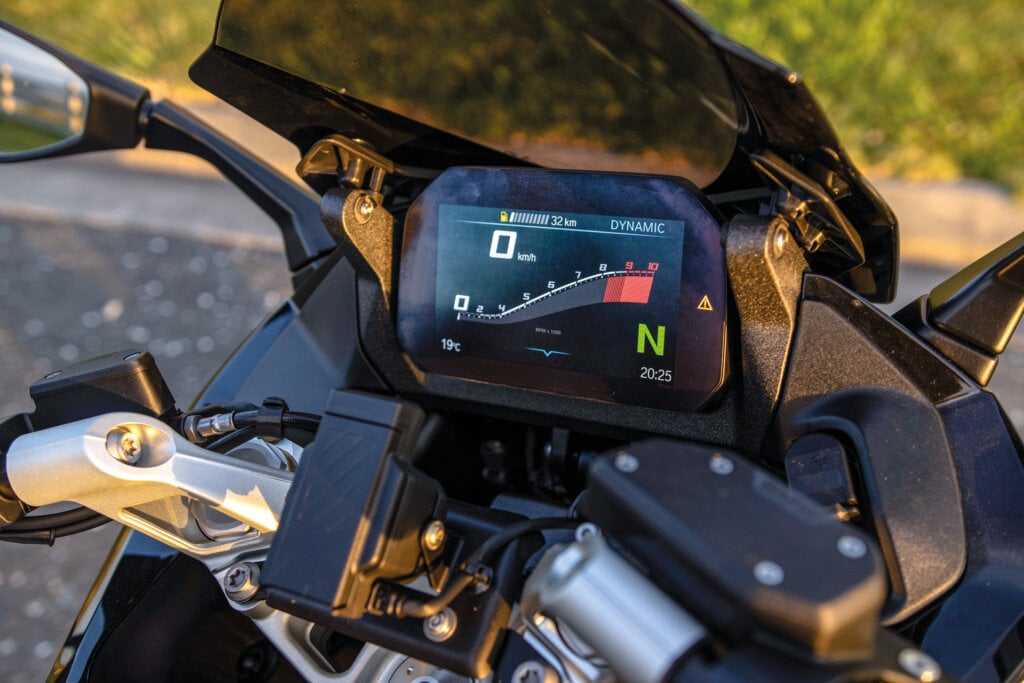
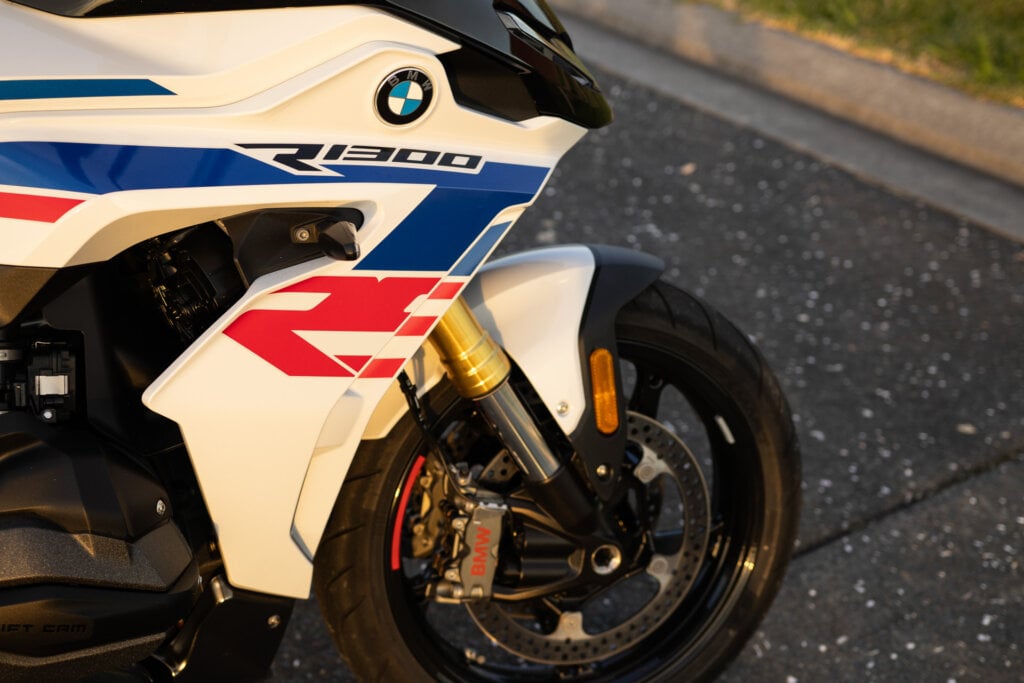
The R1300RS Performance runs BMW’s Dynamic Suspension Adjustment, which changes how the bike behaves depending on the mode you’re in. In Road mode, it’s beautifully forgiving. Which is exactly what you want on New Zealand roads, which are often held together by thoughts and prayers. Switch into sportier modes and it tightens up, feels more supported, and more eager to change direction.
There is, however, a lot of tech in this bike. A lot. The “hamburger button” controls a menu system that could probably run a small country. You’ll want some time to get your head around it. That said, I’m a set-it-and-forget-it kind of person, and you absolutely can ride it like that without missing out.
Made for Touring
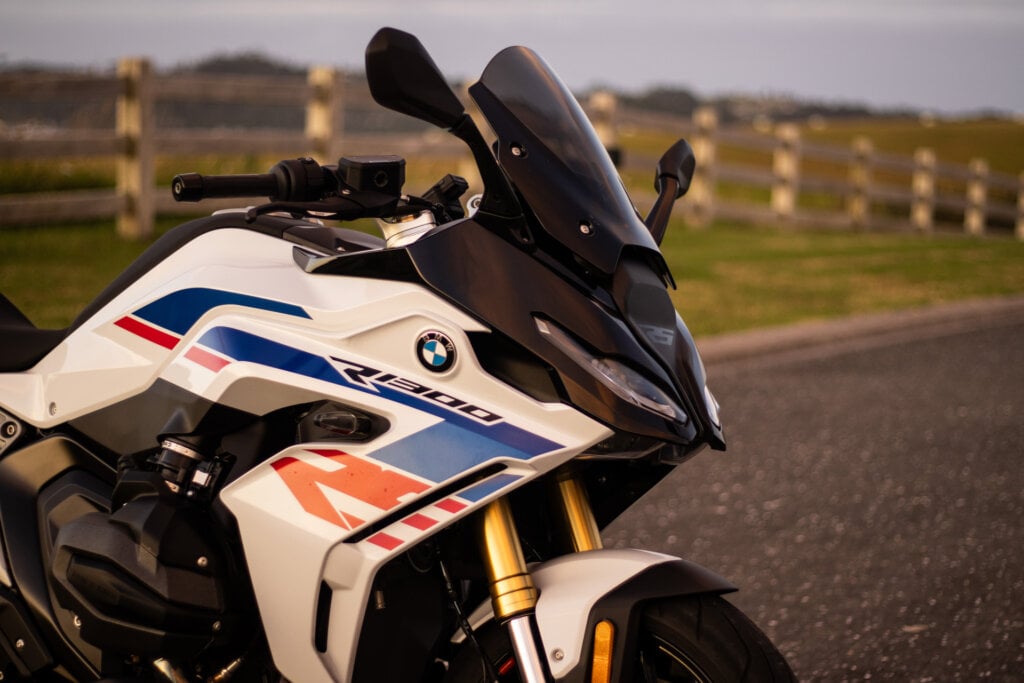
On the motorway, the R1300RS makes immediate sense. The riding position is upright without being lazy. The bars are in the right place. The seat is genuinely comfortable. The screen actually works. You sit in a nice calm bubble of air and just go.
Heated grips, optional heated seats, cruise control, keyless start, nav prep, it’s all there. This thing would demolish the Auckland–Wellington run and ask for more. We don’t have Autobahns here, but if we did, this would be deeply irresponsible on them.
Good in corners too
Here’s the truly stupid part: this thing is fun in the twisty stuff. Like, actually fun. The low centre of gravity makes tip-in far easier than expected, and once it’s leaned over, it just holds a line and gets on with it. No drama. No wrestling. No “please don’t do anything weird”.
It doesn’t feel nervous or hyper. It feels calm, planted, and quietly very quick. For something this big, it has absolutely no right to feel this manageable. Yet here we are.
Most modern “sport tourers” are just adventure or naked bikes in a trench coat.
The R1300RS isn’t. This still feels like it came from a proper sportbike, it’s just been civilised enough to survive real-world distances. It looks a bit like an inbred sportbike depending on the angle, but honestly, it works.
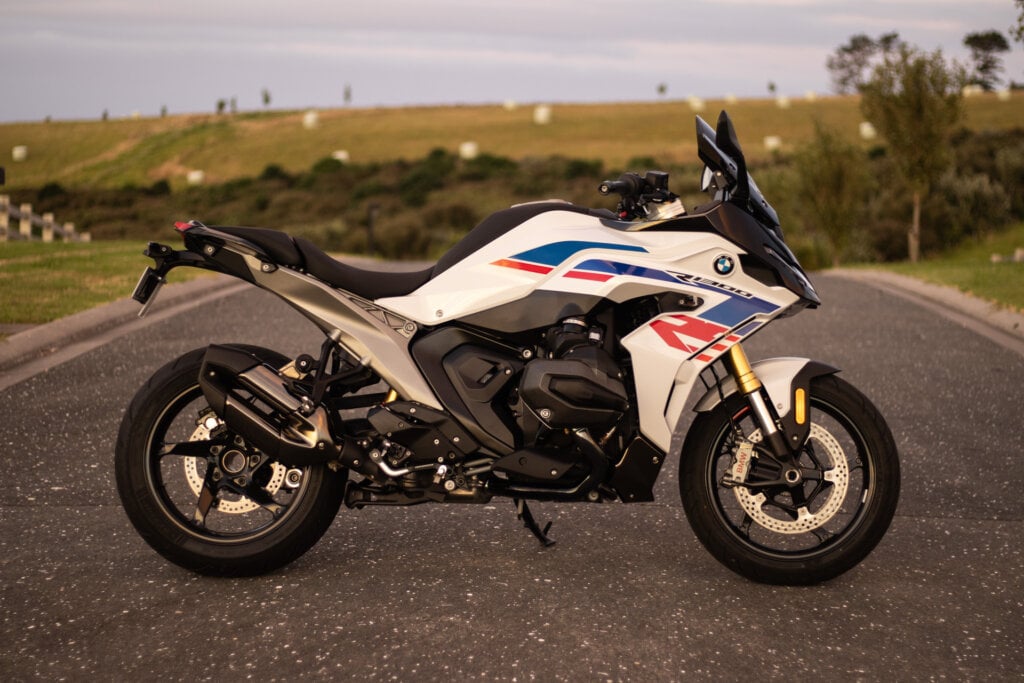
The single-sided swingarm is also extremely cool. Always has been. The pillion seat is fine, but don’t expect Gold Wing levels of luxury. This is still a sporty thing first.
The Price Question
At $42,690 plus on-road costs, this is not a cheap motorcycle. Is it worth it?
If you want the newest, the cleverest, and the most technologically stacked thing BMW currently makes in this space, then yes. It’s loaded with kit, and it feels like it.
More importantly, it’s for people who aren’t ready for full cruiser comfort but also don’t want to keep suffering pure sportbike compromises. It sits in a really clever middle ground: still properly sporty, but comfortable and civilised enough to do real distance.
The Actual Takeaway
The BMW R1300RS does something genuinely impressive. It makes a very big bike feel very manageable. I never once felt intimidated by it. I never felt like I was wrestling it. And I never felt like it was too much. And if a five one rider can get on, feel comfortable, and enjoy it? That’s a pretty strong endorsement.
BMW R 1300 RS
$42,690
0-100 km/h 3.2s
Engine Capacity 1300cc
Format Liquid-cooled / fuel-injected / Flat Twin
Max power 107kW@7750rpm
Max torque 149Nm@6500rpm
Cylinder head DOHC / 4v
Gearbox 6-speed
Drivetrain Shaft drive
Suspension front 47mm USD forks, fully adjustable
Suspension rear Monoshock, fully adjustable
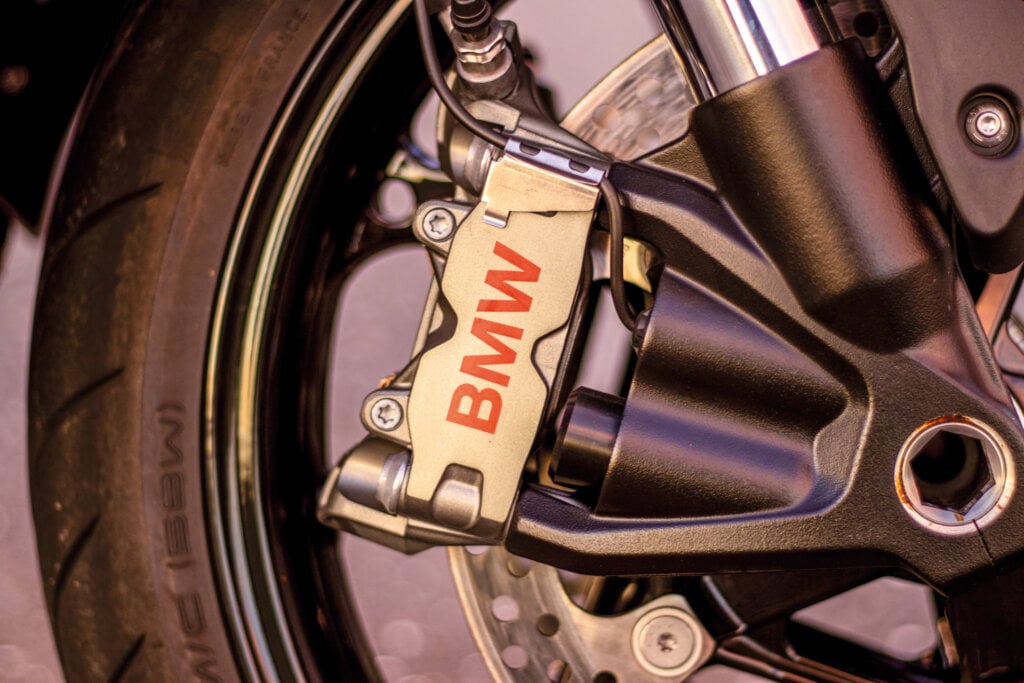
Brakes front Four-piston calipers, 310mm disc
Brakes rear Twin-piston calipers, 285mm disc
Safety systems ABS, TC
Tyre size f-120/70ZR17, r-190/55ZR17
Wheelbase 1523mm
Seat height 790/815mm
Rake/trail 62° / 122mm
Fuel capacity 17L
Weight 245kg