2026 Harley-Davidson Low Rider S Review
Words: Amber Eramus | Photos: Ethan Lowe
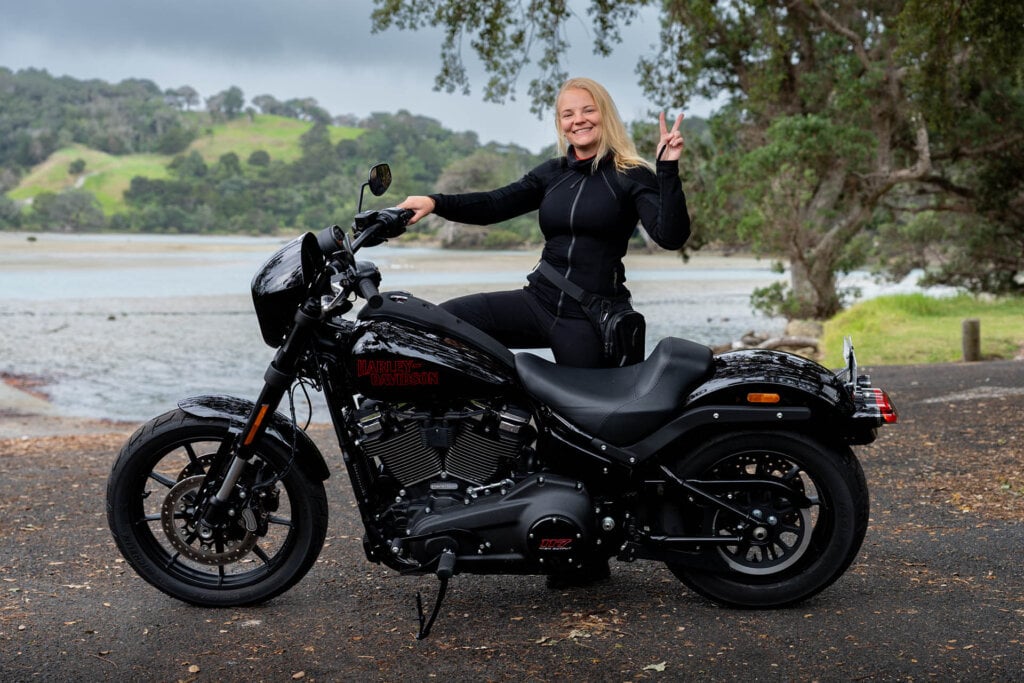
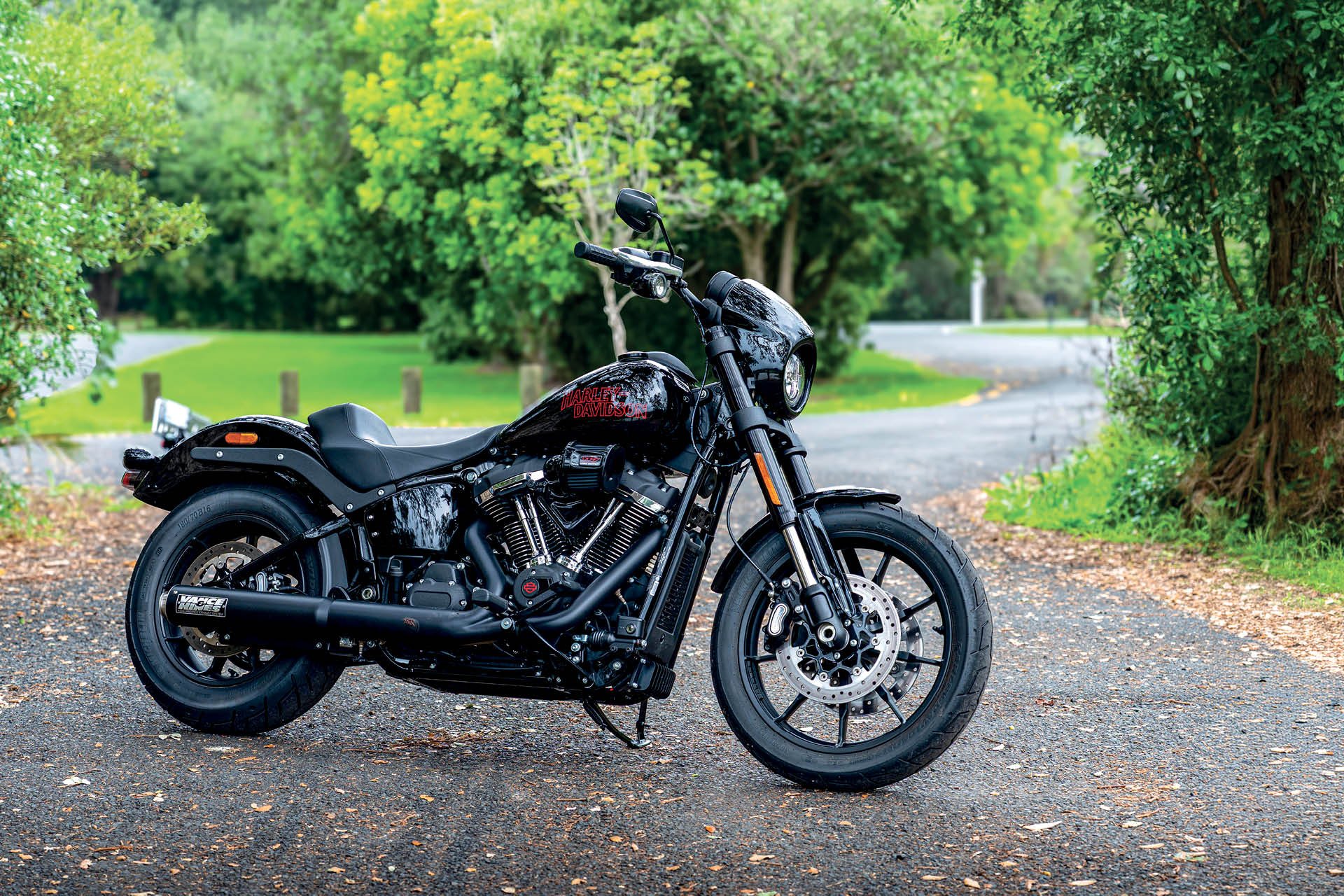
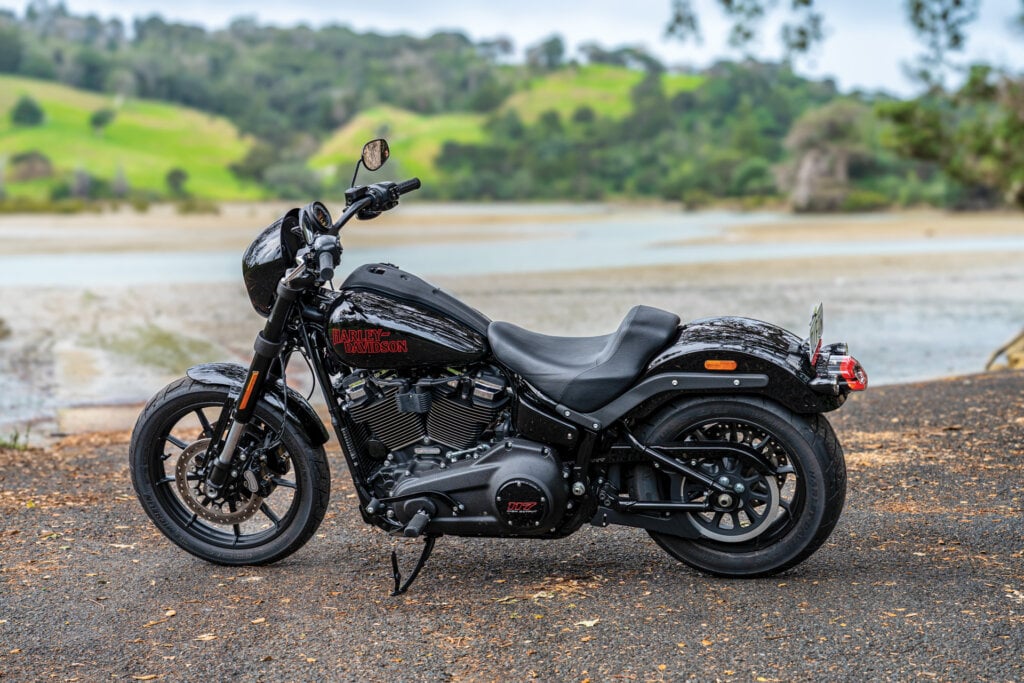
Harley-Davidson’s Low Rider S is the motorcycle equivalent of big presence. There’s no subtlety here. It rocks up loud, low, and unapologetically American, and dares you to have an opinion about it. And trust me, people will.
I had not ridden a Harley previously. Not once. Like many sportbike riders, I had spent years casually writing them off as overweight lead bricks with questionable handling, awkward ergonomics, and lacking in refinement. It was an easy narrative to buy into, and I never really had a reason to challenge it. Then I parked a Low Rider S in my garage, and within minutes of posting it online, the response was immediate and polarising. Harley riders welcomed me like I had just joined some kind of mechanical cult, while others went as far as threatening to unfollow me purely for sitting on one. That alone told me everything I needed to know. This is not just a motorcycle. It is a statement.
The Milwaukee-Eight
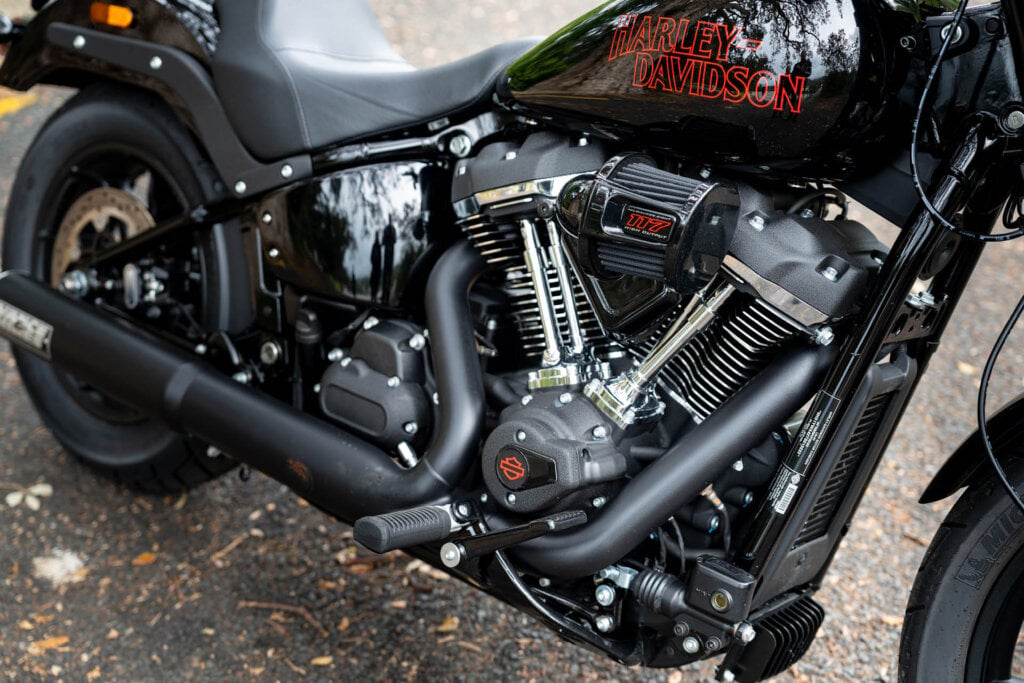
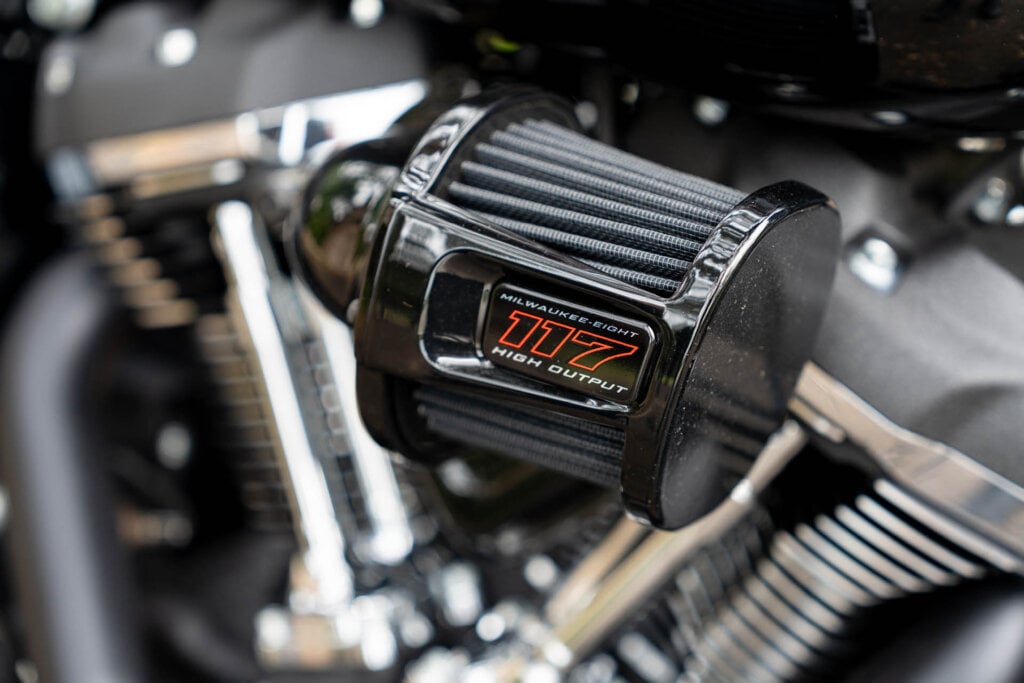
At the heart of the Low Rider S sits Harley-Davidson’s Milwaukee-Eight 117 High Output engine. If you are coming from anything remotely conventional, the numbers alone are borderline absurd. We are talking 1.9 litres in a motorcycle. That is a car-sized engine sitting between your legs, air-cooled, old-school, and entirely unapologetic.
On paper, the 114 horsepower figure does not sound particularly wild for something this large, but it misses the point. This engine is all about torque. Twist the throttle and it does not scream to the redline like a supersport. It shoves, delivering with a heavy, deliberate force. There is a physicality to it, a sense that it does not care how fast you are going, it will simply keep going with the same relentless effort.
It is raw, it is lumpy, and it vibrates, but somehow that is exactly what makes it work.
Technology?
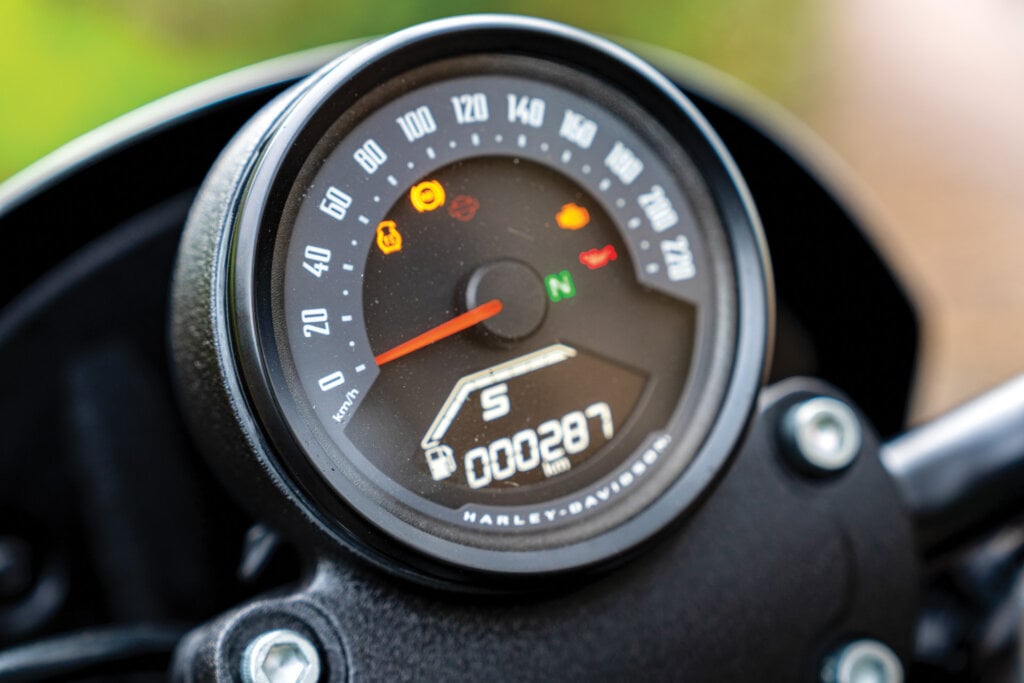
Where Harley has made a noticeable shift is in the technology wrapped around that traditional engine. The Low Rider S now comes with selectable ride modes, including Sport, Road, and Rain, each altering throttle response and electronic intervention.
Sport mode is sharp, bordering on twitchy, with a throttle response that demands your full attention. It is engaging, but it can catch you out too. Road mode tones things down slightly, making it far more usable for everyday riding while still retaining that strong, torque-heavy character.
Rain mode, which I had the opportunity to test properly, is where the electronics really come into play. The traction control steps in quickly, sometimes quite assertively, if you get too enthusiastic with the throttle in wet conditions. It might feel a touch overprotective at times, but given the size and torque of the engine, it is a welcome safety net.
Beyond ride modes, the Low Rider S is equipped with a surprisingly comprehensive suite of rider aids; cornering ABS, traction control, drag-torque slip control, and tyre pressure monitoring. The drag-torque slip control system stood out immediately, particularly coming from bikes equipped with slipper clutches. On more than one occasion, I found myself aggressively downshifting into a corner out of habit, expecting the usual smooth transition. Instead, I was reminded very quickly that this is not that kind of bike. The system intervened subtly but effectively, preventing rear wheel instability that could have otherwise turned into a moment.
Dynamics?
Handling is where the biggest surprise came. The assumption was that this would be a bike best suited to straight lines and gentle cruising, but that is not entirely the case.
Thanks to updated suspension and taller rear shocks, the Low Rider S offers a greater lean angle than expected, and it shows when you start to push it through corners. It is far more capable than its reputation suggests. Through sweepers, it holds a line confidently, and the additional rev range, now extending to around 5900rpm, gives you a bit more flexibility when carrying speed in lower gears.
I kept waiting for the pegs to touch down, especially after hearing how close I was getting over the group’s Cardo comms, but it never actually happened.
The riding position also plays a role here, with mid-mounted controls and a slightly more aggressive stance than traditional cruisers, allowing for better control and feedback than expected. Those with longer legs might feel a bit cramped however, so it’s something to try before you buy.
The Reality Check
That said, Harley is still very much Harley, and there are elements of the experience that remind you of that constantly.
Heat is one of them. Sitting at traffic lights or crawling through slow-moving urban areas, the engine radiates a significant amount of heat. It is not subtle, and on warmer days or in stop-start traffic, it becomes very noticeable. It is part of the character, but it is something you need to be prepared for. You’d have expected some form of improvement on this for the new 2026 model range, but it seems Harley likes to stick with its tried and tested traits … including engine heat.
The exhaust system is another point of caution. It runs extremely hot, and it does not take much to get too close and regret it. A brief moment while refuelling was enough to produce the unmistakable smell of singed riding gear, a lesson learned very quickly. Harley suggested they had improved this over the prior generation 117, which is scary to think how hot it ‘used’ to be.
The clutch is another aspect that stands out, particularly for smaller riders. It is heavy, requiring a full-hand pull rather than a light two-finger action. In stop-start conditions, it can become tiring, and I found myself shifting into neutral at lights more often than usual just to give my hand a break. The lever is not easily adjustable for smaller hands either, which adds to the challenge.
The Experience
And this is where the Low Rider S starts to make sense. The exhaust note alone is enough to win you over. The bike I tested was fitted with a Vance and Hines system, and it transformed the experience entirely. Loud, aggressive, and completely unapologetic, it announces its presence long before you arrive.
You do not rev it because you need to. You rev it because you want to. Because it sounds good. Because it feels good. Because it turns heads and parts traffic like something out of a movie.
The riding experience as a whole is built around that sense of theatre. The low seat height, at just 715mm, makes it incredibly approachable, even for shorter riders. Being able to confidently plant both feet on the ground adds a level of reassurance that you might not expect from a bike of this size.
Once you are moving, the weight becomes far less intimidating. It is still there, but it carries itself in a way that feels balanced and manageable.
At a touch over $38,000 as tested, there is no getting around it, this is an expensive bit of kit. And in a world where you can spend similar money on something with significantly more outright power, sharper performance, and track-focused technology, the Low Rider S can feel like it sits up there on price alone.
Worth it?
It’s dependable. Harley-Davidson has built its reputation on that. But whether it’s worth it comes down to what you are looking for.
If you are chasing raw torque, a physical riding experience, and the added bonus of modern safety systems wrapped around something that still feels old-school, then absolutely. There is something about this bike that delivers an experience few others can replicate, and that is where the value lies.
Coming into this as someone who had never ridden a Harley before, and who had spent years buying into the stereotypes, the Low Rider S was genuinely eye-opening.
Some of those stereotypes still exist. It is heavy. It runs hot. It demands more physical input from the rider than many modern bikes. But it also delivers something that many of those modern bikes have lost. Character.
The Harley-Davidson Low Rider S does not try to be everything to everyone. It knows exactly what it is, and it leans into that identity completely. It is bold, it is loud, and it is unapologetically different. You may not buy one. But you will understand why people do.
Harley-Davidson Low Rider S
$38,250 / 5.5L/100km / 128g/km
0-100 km/h 4.0s
Engine 1923cc ,V2
Max power 85kW@5020rpm
Max torque 173Nm@3250rpm
Drivetrain 6-speed auto, belt final drive
Weight (claimed) 303kg