China overtakes Japan as Australia’s most popular automotive supplier
Words: Autocar
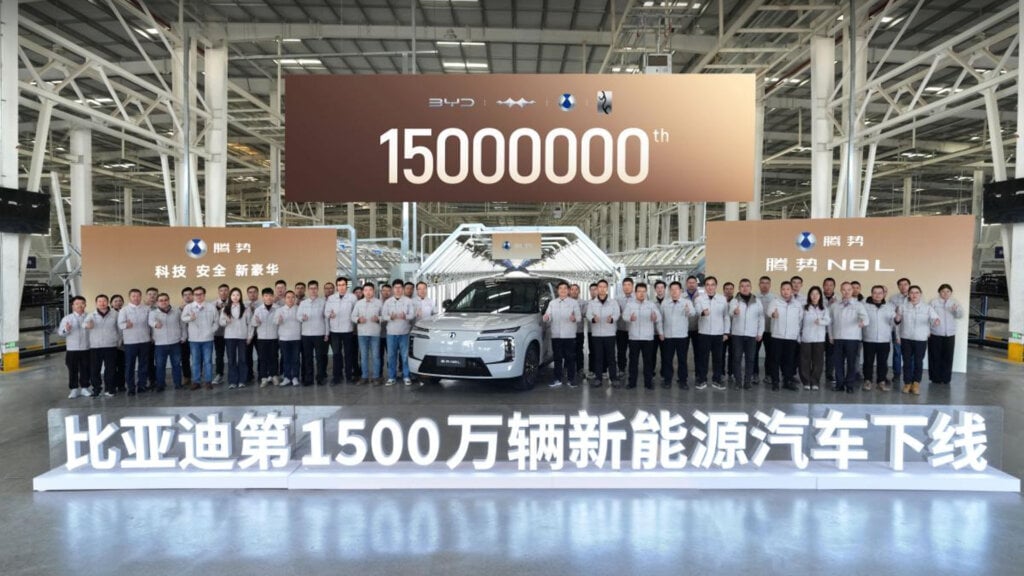
China has overtaken Japan as Australia’s largest source of new vehicles for the first time in a single month, according to figures released by the Federal Chamber of Automotive Industries (FCAI).
In February 2026, 22,362 vehicles sourced from China were sold in Australia, surpassing Japan’s 21,671 deliveries. Thailand followed with 19,493 vehicles and South Korea with 11,913. Japan had been Australia’s leading source of vehicles since 1998.
Australia’s new vehicle market recorded 90,712 sales in February, a decrease of 4,281 vehicles or 4.5% compared with February 2025.
FCAI chief executive Tony Weber says the shift reflects the increasingly competitive nature of the Australian market. “After 28 years, Japan has been overtaken by China as the largest source of vehicles for the Australian market in a single month,” Weber says.
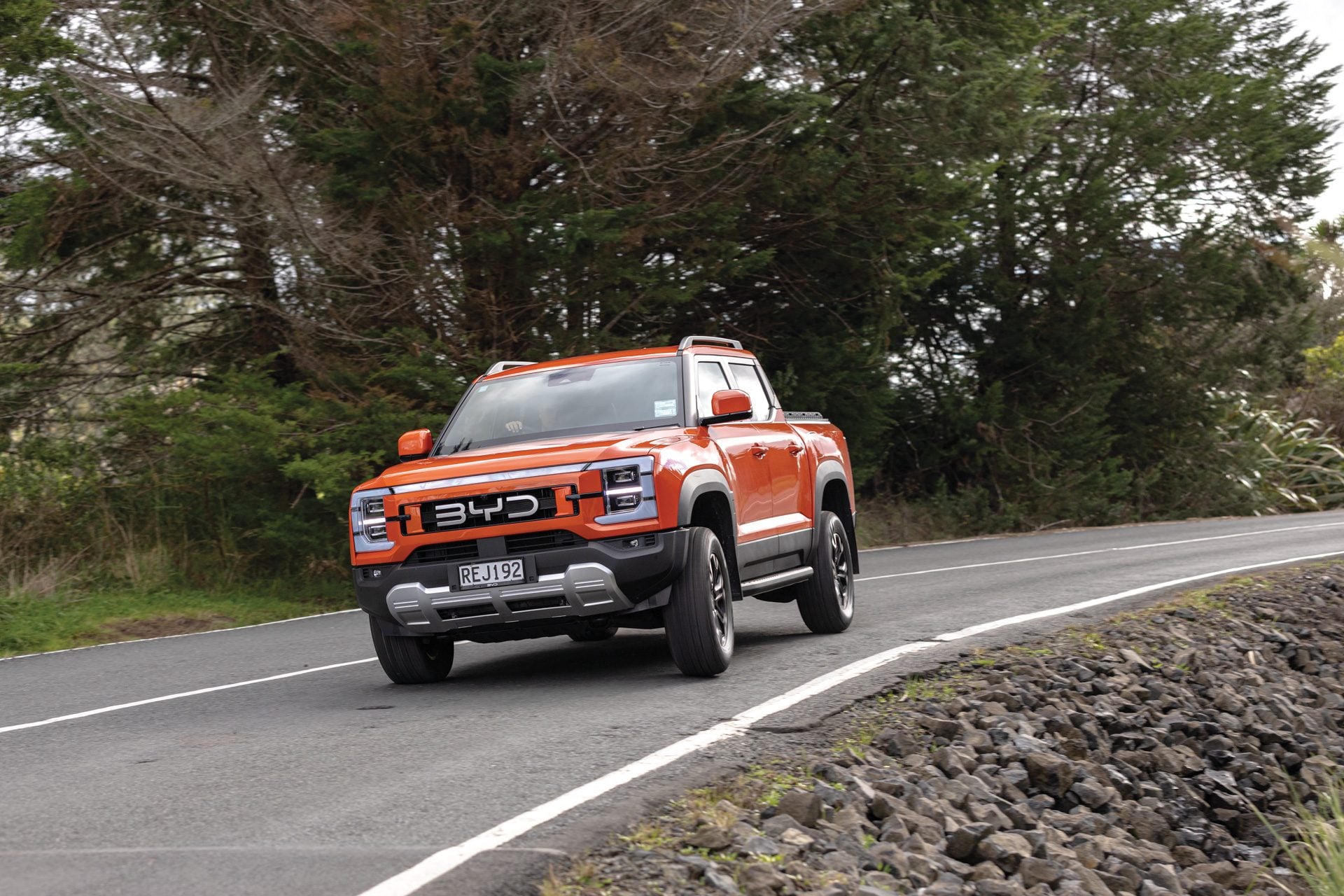
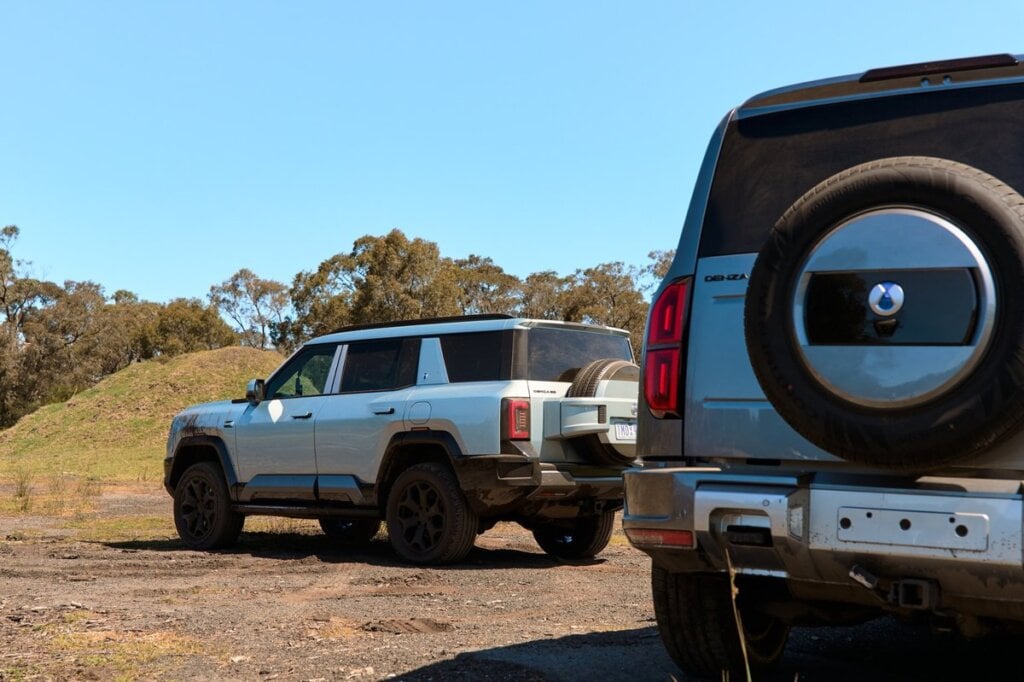
Since 2020, 10 new brands have entered the Australian market, with six launching in the past two years. Nine of the 10 new entrants are manufactured in China.
“The Australian market is one of the most open and competitive in the world. New brands can enter, establish dealer networks and compete on price, technology and design. Consumers are the beneficiaries of that competition,” Weber says.
Record EV performance
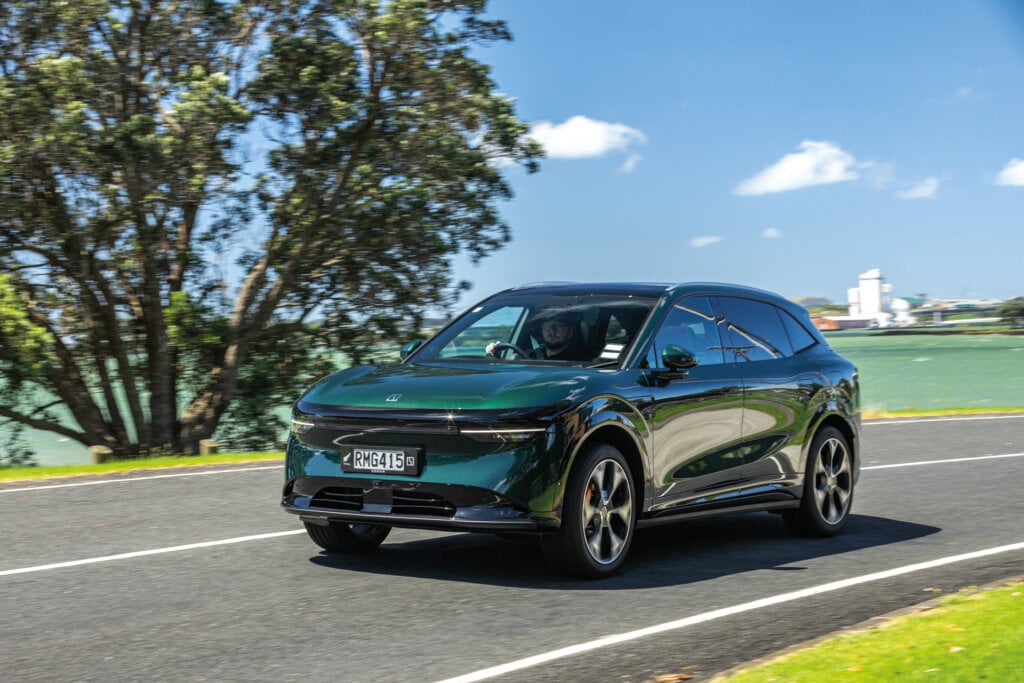
Battery electric vehicles achieved a record high monthly market share of 11.8% in February, representing 7,715 vehicles across passenger, SUV and light commercial segments. This compares to just 3,967 BEVs sold in February 2025, marking a 94.5% increase.
Hybrid vehicles accounted for 13,868 sales (15.3% market share), while plug-in hybrid electric vehicles reached 5,854 units (6.5% share). Combined electrified vehicle sales totalled 27,437 units, representing 30.2% of the total market.
Trade agreement focus
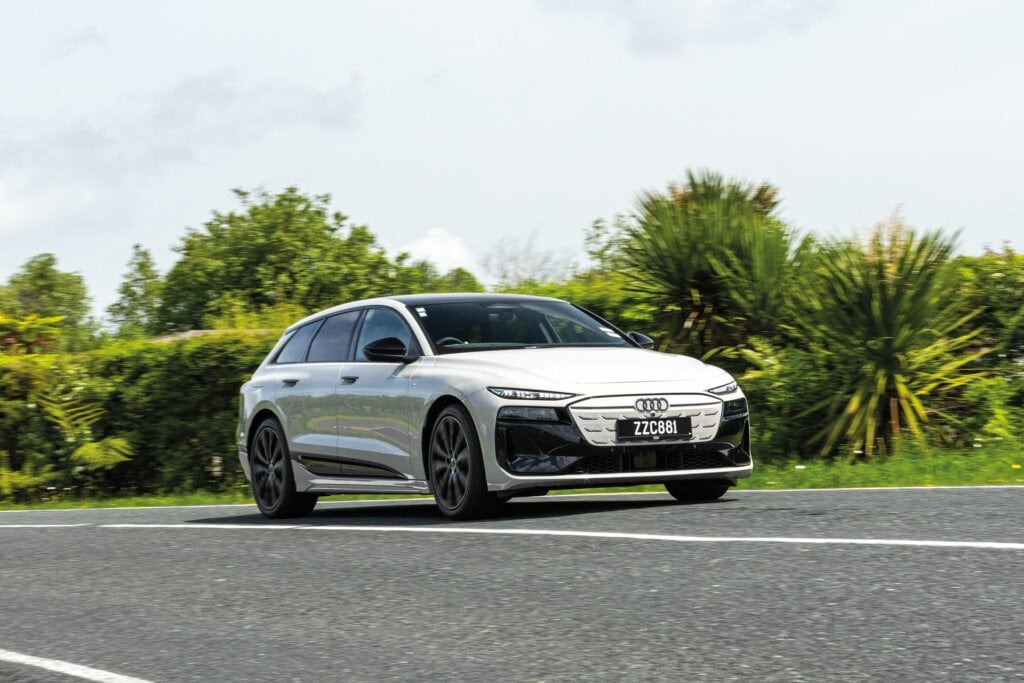
The FCAI has joined with the European Australian Business Council and other organisations in calling for a comprehensive Free Trade Agreement with the European Union. Weber says such an agreement could eliminate the Luxury Car Tax and the 5% tariff on EU vehicles.
“Australia’s automotive sector strongly encourages all participants to deliver a trade outcome that is future-focused rather than prolonging outdated and inefficient policy arrangements, and one that allows Australians to share in world-leading mobility, safety and environmental technologies at the lowest possible prices,” Weber says.
The February result brings year-to-date sales to 177,804 vehicles, down 2.2% compared to the same period in 2025.