Ford rethinks EV strategy, pivots to hybrids and new petrol-powered trucks
Words: Kyle Cassidy
Ford has confirmed a major reset of its electrification plans, stepping back from large electric vehicles in favour of smaller EVs and a broader rollout of hybrid and plug-in hybrid models. The shift comes after repeated delays to key electric products and reflects what the company says is lower-than-expected demand for big EVs, rising costs and changing regulatory pressures.
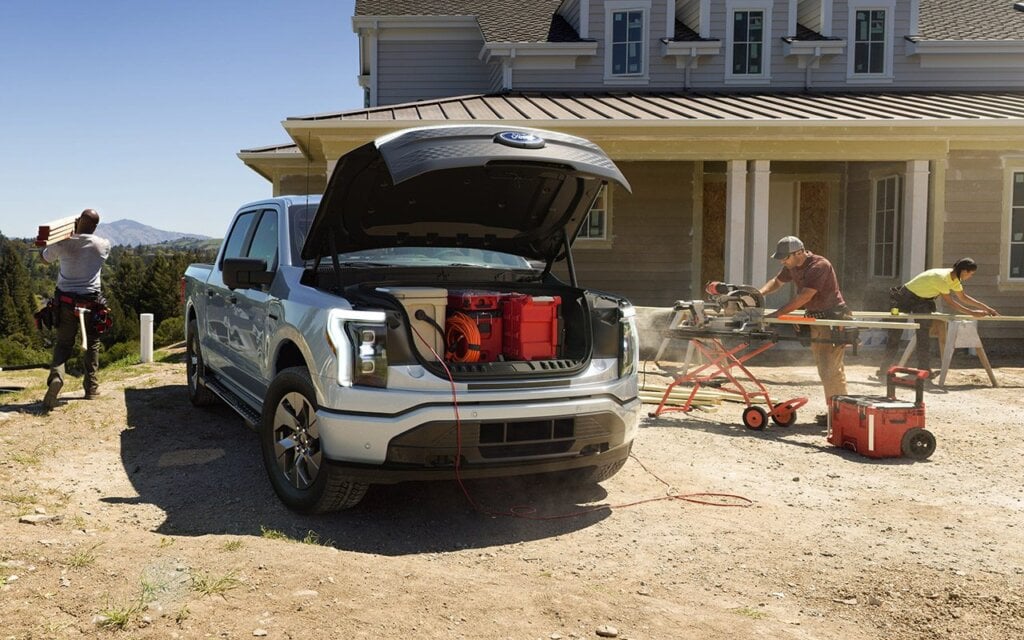
Central to the new approach is a move away from fully electric large vehicles. Instead, Ford will introduce plug-in hybrid powertrains that use electric motors to drive the wheels, backed by a petrol engine acting as a range extender. Ford confirmed yesterday that the next-generation Ford F-150 Lightning, previously planned as a full EV, will now be reworked around this extended-range hybrid concept.
Read more – The next Ford F-150 Lightning will be a range extender hybrid
Ford has also pulled the pin on a new electric commercial van that was due to replace the E-Transit later this decade. That model has been cancelled outright, with Ford instead developing a more affordable van range powered by petrol and hybrid drivetrains. Production of these new vans is scheduled to begin in 2029 at the Ohio Assembly Plant, which currently builds the long-running E-Series.
The changes extend to Ford’s US manufacturing footprint. The company has renamed its Tennessee Electric Vehicle Center to the Tennessee Truck Plant, signalling a clear shift in direction. Rather than producing a next-generation electric pickup, the site will build new petrol-powered trucks from 2029. Ford says these will be “new affordable gas-powered trucks” that sit outside the existing F-Series line-up.
While the headlines focus on petrol and hybrid power, Ford insists it is not abandoning EVs altogether. Its electric future in North America will now concentrate on smaller, more affordable models based on its new Universal EV platform, announced earlier this year. This architecture will underpin a range of vehicles, starting with a mid-size electric truck due to enter production at the Louisville Assembly Plant in 2027.
Beyond vehicles, Ford also revealed plans to diversify its battery operations. The company will repurpose some battery manufacturing capacity in Glendale, Kentucky, toward energy storage solutions for data centres and infrastructure projects. Around US$2 billion will be invested in this new business over the next two years.
Ford expects the revised strategy to significantly change the makeup of its global sales. The company is targeting around 50 percent of total sales to come from traditional hybrids, extended-range hybrids and full EVs, up from roughly 17 percent today. It also believes the pivot will help its Model e electrification division reach profitability by 2029.
For buyers, the message is clear: Ford is recalibrating its electric ambitions, betting that hybrids and range-extender technology offer a more practical path forward—especially for trucks and commercial vehicles—while still keeping a foothold in the EV space.