Government scraps safety tech rules for used imports
Words: Richard Edwards
The Government has scrapped a plan that would have made automatic emergency braking and other safety technology compulsory on used imports, along with new vehicles entering the country.
The proposal would have required autonomous emergency braking (AEB), lane departure warning or lane keep assist, and an acoustic warning system on hybrids and EVs. New models would have needed the features from October 2026, and used imports from July 2027.
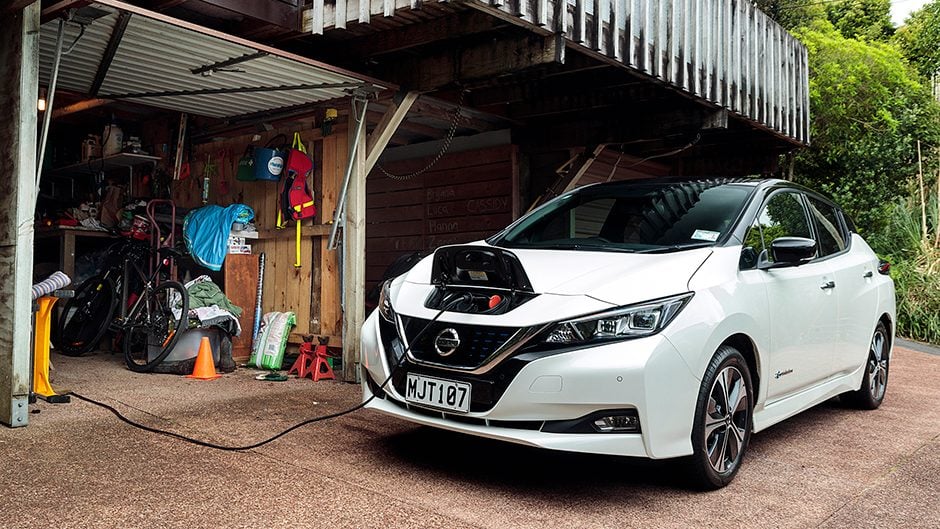
Associate Transport Minister James Meager decided not to go ahead. NZTA says many new vehicles arriving here already have these features and they are expected to become standard over time. Officials found a mandate would bring limited extra safety benefit while potentially pushing up vehicle prices.
What it means if you’re buying
Nothing changes on the used car market. Imported vehicles that lack these features can still be brought in and sold.
The industry is split on the decision.
The Imported Motor Vehicle Industry Association (VIA) welcomed it, having argued the rules would cut the supply of affordable used imports. In its submission, it estimated around half of that supply was at risk if the rules started in 2027. Chief executive Greig Epps says the average used import is now around 10 to 11 years old, and safety technology takes time to filter down to cars at prices most buyers can afford.
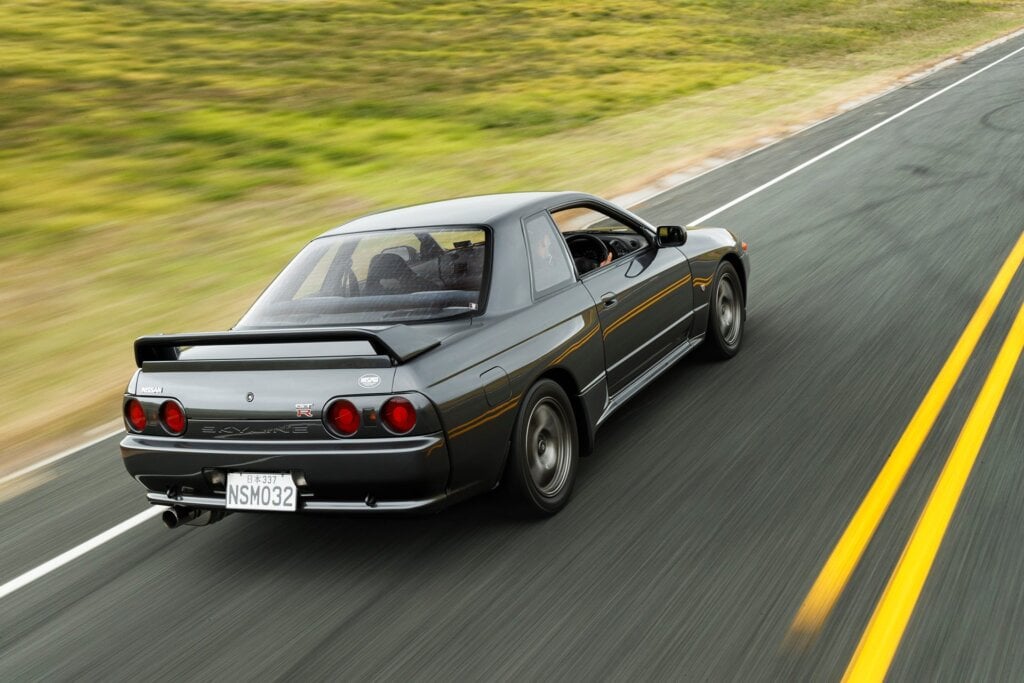
“If regulation makes those replacement vehicles harder to obtain, people may keep their existing, older vehicles for longer. That can work against the very safety improvements the regulation is intended to achieve,” he says.
The Motor Trade Association (MTA) supported the proposal and calls the decision a missed opportunity. Head of advocacy James McDowall accepts the rules would have been harder to apply to used imports, but says they should have gone ahead for new vehicles.
“Most new vehicles coming into New Zealand already have these features, so the cost of locking them in was low, and it would have set a clear baseline for the fleet,” he says.
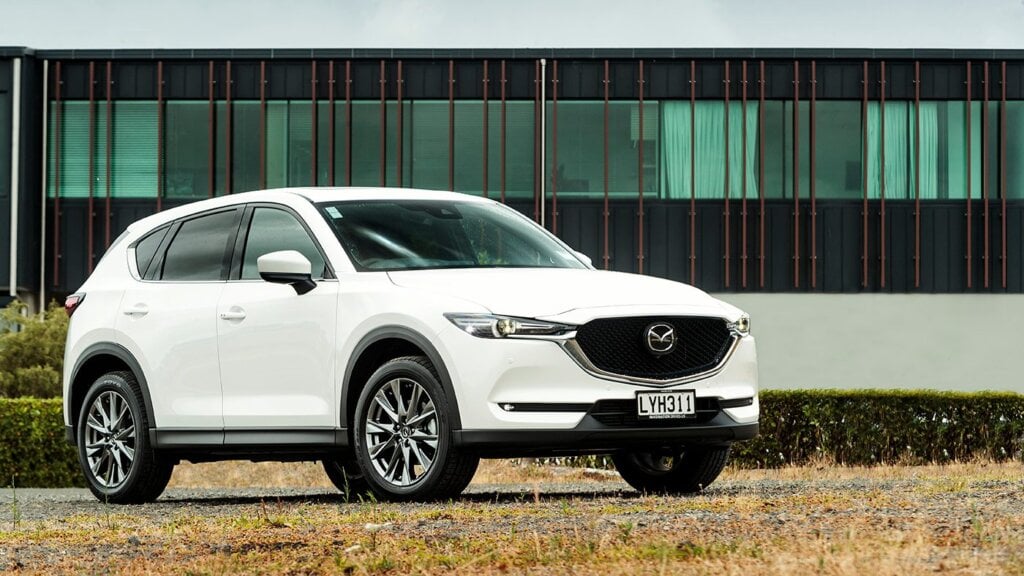
The MTA says acoustic alerts on quiet hybrids and EVs would have helped pedestrians at relatively low cost. It also links the decision to changes in the warrant of fitness regime, which will move vehicles up to 14 years old to two-yearly inspections.
“The safety features consulted on in parallel were the one thing the Government could have pointed to as lifting the safety baseline while inspection intervals lengthened. Dropping all of them removes even that,” McDowall says.
Still worth checking for
Whether or not it’s required, the technology is spreading through the fleet. Features like AEB are worth looking for when choosing a car, and an ANCAP rating will show how a model performed in testing.
The MTA notes that cameras and radar sensors need recalibrating after a windscreen replacement, bumper repair or crash repair. If you’re buying a car with these systems, it’s worth asking about any repair history.
Read more: Changes coming to WoF inspection requirements
Related: How old is too old for a used car?