How to Check and Top Up Your Car’s Engine Oil
Words: AutoTrader NZ
Checking your car’s engine oil is one of the easiest ways to keep your vehicle running smoothly – and it only takes a few minutes.
Whether you’re getting ready for a road trip or just doing a quick weekend check, here’s how to check your engine oil level and top it up correctly.
Why Engine Oil Matters
Engine oil keeps your car’s engine healthy by reducing friction, cooling moving parts, and protecting components from wear and sludge build-up.
If your engine oil level gets too low or becomes dirty, your engine must work harder – increasing the risk of overheating or serious damage.
👉🏼Top Tip: Check your oil every few weeks and always before a long drive.
How to Check Your Engine Oil
Follow these simple steps for an accurate reading:
- Park on level ground – an uneven surface can give a false reading.
- Turn off the engine and wait 10-20 minutes so the oil can settle.
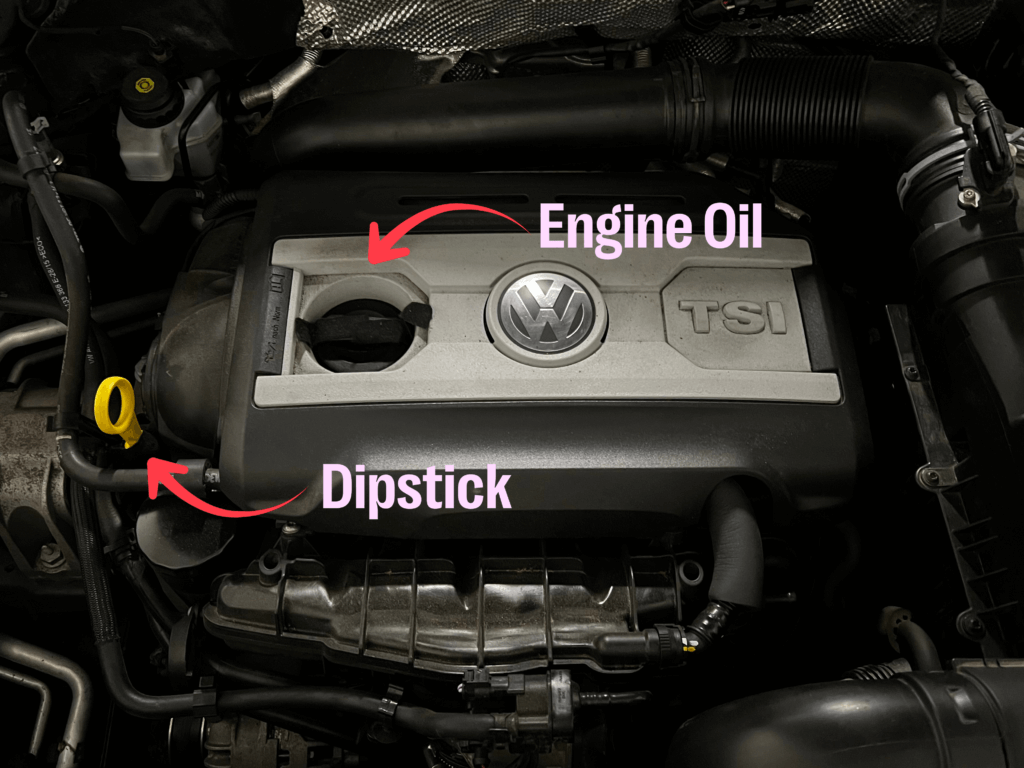
- Open the bonnet and find the dipstick (usually with a yellow or orange handle).
- Pull out the dipstick, wipe it clean with a paper towel, and reinsert it fully.
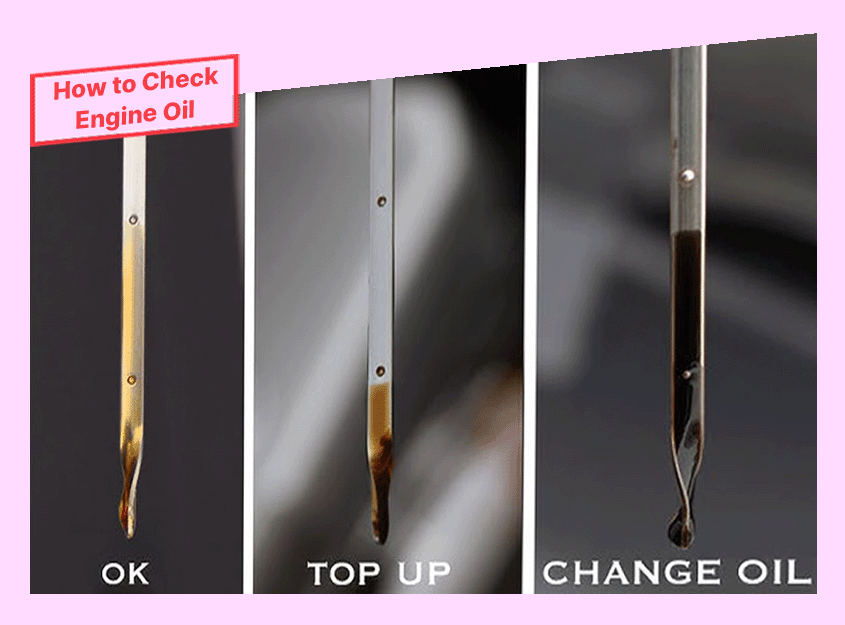
- Remove it again and check the oil level against the “MIN” and “MAX” marks.
- If the oil mark sits on or near the “MAX” line when the engine is cold, the level is perfect.
- If the oil mark is between “MIN” and “MAX,” it means the oil is lower than ideal and should be topped up soon – just as shown in the photo example.
- If it’s below “MIN,” your engine needs oil immediately.
What clean oil should look like:
- Light brown or amber = healthy oil.
- Dark, thick, or gritty = time for an oil change.
How to Top Up Your Car’s Engine Oil
If your oil level is low:
- Locate the oil filler cap (labelled “OIL” or marked with an oil-can icon).
- Use a funnel to pour oil slowly – about half a litre at a time.
- Check the dipstick after each pour until the level sits between “MIN” and “MAX.”
- Avoid overfilling – too much oil can cause leaks and pressure build-up.
👉🏼 Top Tip: Always use the recommended oil grade for your car (for example, 5W-30 or 10W-40).
How to Choose the Right Engine Oil for Your Car
Choosing the correct engine oil is just as important as topping it up. The wrong type or viscosity can affect performance, fuel economy, and long-term engine health.
Here’s how to find the right oil:
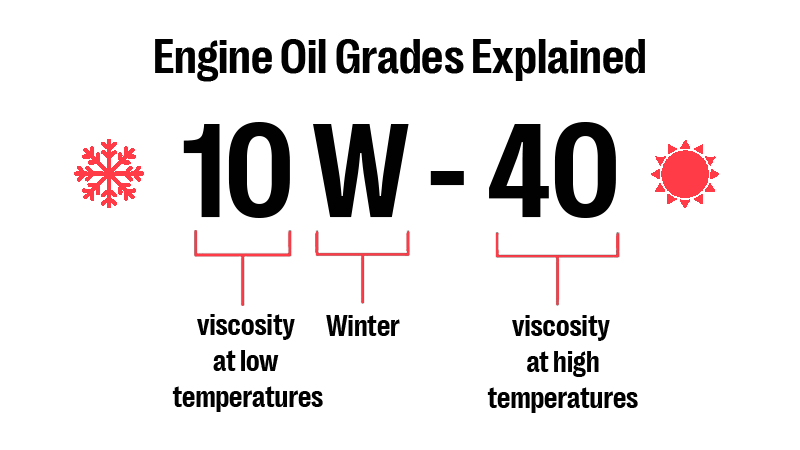
✅ Check your owner’s manual – it lists the exact viscosity (e.g. 5W-30 or 10W-40) and oil type (mineral, semi-synthetic, or full synthetic).
🧮 Understand the numbers – the first number (with “W”) shows how the oil flows in cold weather; the second shows performance when hot.
🔄 Pick the right oil type:
- Mineral oil – good for older vehicles or light use.
- Semi-synthetic – blends affordability and protection.
- Full synthetic – best for modern or high-performance engines.
🌦️ Think about New Zealand driving conditions – cold South Island mornings or hot North Island summers can affect oil performance.
🔍 Use online oil-finder tools – websites like Supercheap Auto NZ let you enter your rego or model to instantly find the right oil.
👉🏼 Top Tip: When in doubt, ask your mechanic or parts store – they’ll confirm the correct oil for your make and model.
When to Change Your Engine Oil
Even with regular top-ups, oil degrades over time. Most cars need an oil change every 10,000–15,000 km, or sooner if you drive frequently or own an older vehicle.
Watch for these signs:
- A burning smell from the engine
- Louder than usual engine noise
- Very dark or thick oil on the dipstick
If you notice any of these, it’s time for a service.
Common Engine Oil Mistakes to Avoid
🚫 Checking too soon after driving – oil needs time to settle for an accurate reading.
🚫 Parking on a slope – gives incorrect dipstick readings.
🚫 Overfilling – can cause leaks or damage seals.
🚫 Mixing oil types – always stick to your manufacturer’s recommendation.
🚫 Ignoring dirty oil – dark, sludgy oil means it’s overdue for a change.
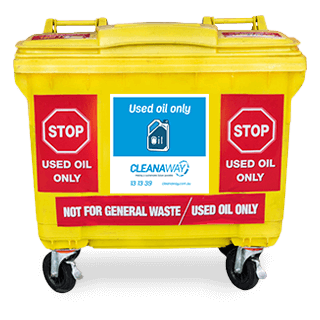
Never pour old oil down the drain or onto the ground.
Most mechanics, recycling centers, and service stations will safely dispose of used engine oil for you – often for free.
Bottom Line
Checking and topping up your car’s engine oil is quick, easy, and one of the best ways to keep your car running smoothly.
Make sure your car is parked on level ground, let the oil settle, and always use the right oil for your vehicle.