How to Prep Your Car for Camping & Off-Grid Adventures 🏕️
Words: AutoTrader NZ
Heading off the beaten track? Whether you’re camping by the coast, exploring the high country, or going fully off-grid, preparing your car properly can make the difference between a great adventure and a stressful one.
Before you load up the chilly bin and hit the road, here’s how to get your car ready for camping and off-grid travel in New Zealand.
Start With a Mechanical Check
Before any remote trip, make sure your car is in good working order.
- Check your engine oil and top up if needed
- Inspect coolant levels to avoid overheating
- Check brake fluid and power steering fluid
- Listen for unusual noises or warning lights
👉🏼 Top tip: If your car is due for a service, get it done before you leave town – not after something goes wrong.
Tyres Matter More Than You Think
Tyres are critical when travelling on gravel, sand, mud, or uneven terrain.
- Check tyre pressure (including your spare)
- Make sure tread depth is healthy
- Consider lowering pressure slightly for gravel or sand (and reinflating after)
👉🏼 Top tip: Carry a portable tyre inflator or know where the nearest service station is on your return route.
Pack Recovery & Safety Gear
When you’re heading off-grid, you can’t rely on roadside assistance.
Consider packing:
- Jump starter or jumper leads
- First-aid kit
- Torch or headlamp
- Tow rope or recovery strap
- Basic tool kit
- High-vis vest
If you’re travelling solo or into remote areas, a personal locator beacon (PLB) is worth considering.
Think About Storage & Weight
Overloading your car affects handling, fuel economy, and braking.
- Distribute weight evenly
- Keep heavy items low and secure
- Use roof racks only if your vehicle is rated for them
- Secure everything – loose gear becomes dangerous on rough roads
👉🏼 Top tip: Check your car’s maximum load rating before packing.
Fuel, Range & Planning Ahead
Remote trips often mean fewer fuel or charging options.
- Start with a full tank or full charge
- Know your realistic fuel or driving range
- Plan stops in advance
- Consider a jerry can if appropriate (stored safely and legally)
For EV drivers:
- Map charging stations ahead of time using apps like PlugShare or ChargeNet
- Allow extra range for hills, gravel roads, cold weather, and heavy loads
- Have backup charging options if your first stop is unavailable
👉🏼 Top tip: Aim to arrive at your destination with a buffer – not on empty.
Power for Camping Gear
If you’re camping overnight or longer, think about power needs.
Options include:
- Portable power stations
- Dual-battery setups (for serious off-grid trips)
- 12V sockets for fridges and lights
Some newer electric vehicles offer vehicle-to-load (V2L) features, letting you power lights, small appliances, or charge devices directly from the car – a big plus for off-grid camping.
Always check what your vehicle can safely support.
Lights, Visibility & Weather Prep
Off-grid trips mean changing conditions.
- Check headlights, brake lights, and indicators
- Pack rain gear and warm layers – even in summer
- Keep a physical map or downloaded offline maps
Weather can change quickly in NZ – especially in alpine or coastal areas.
Choose the Right Vehicle for the Job
Not all camping trips need a 4WD — but some do.
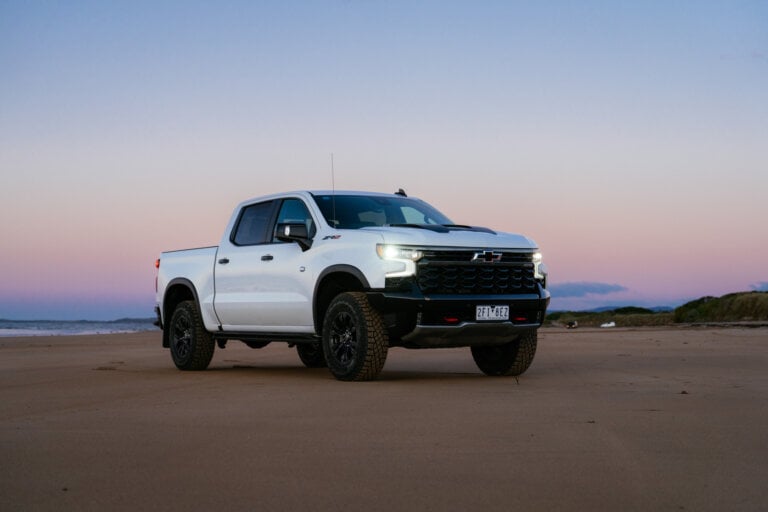
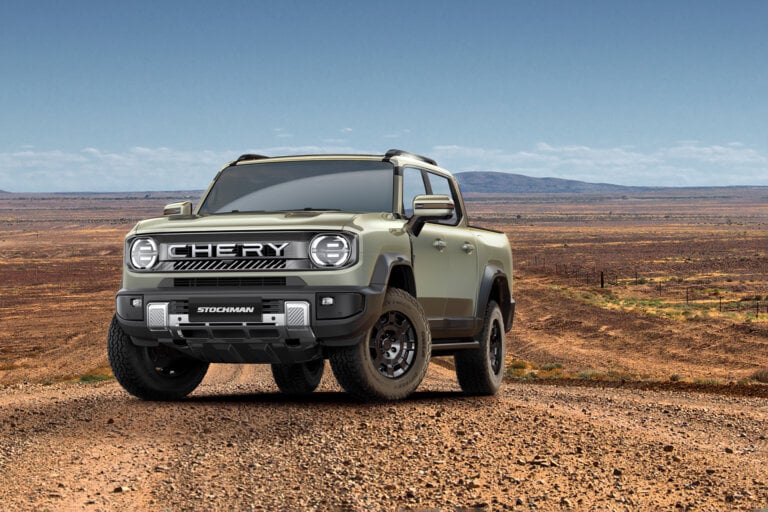
- SUVs and utes are ideal for gravel, beach access, and uneven tracks
- AWD vehicles offer extra confidence in wet or loose conditions
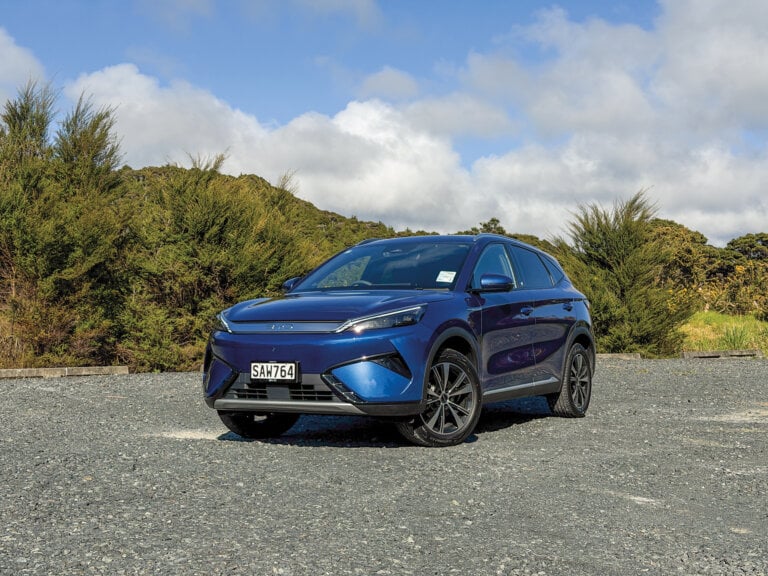
- Station wagons, crossovers, and EVs work well for light camping and DOC sites with charging access
👉🏼 Top tip: Always check local access rules – some beaches and tracks require permits or 4WD only.
Bottom Line
Camping and off-grid adventures are about freedom – and preparation gives you more of it. Whether you’re driving petrol, diesel, or electric, a few checks, smart packing, and good planning help keep your trip safe, comfortable, and stress-free.
👉🏼 Prep your car properly, and let the adventure take care of itself.