Motorhomes 101: What to Know Before Buying Your First 🚐
Words: AutoTrader NZ
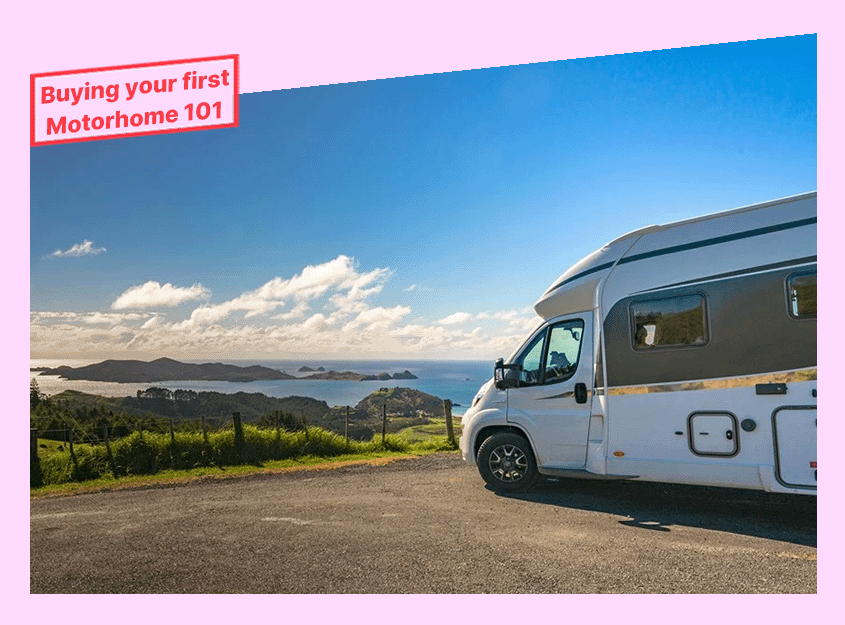
Thinking about buying your first motorhome? Whether it’s weekend escapes, extended road trips, or even full-time travel, owning a motorhome opens up a completely different way to explore New Zealand.
But before you commit, there are a few important things to understand. Here’s what first-time buyers should know.
License Requirements
Most motorhomes in New Zealand can be driven on a standard Class 1 car licence, as long as the vehicle’s gross vehicle mass (GVM) does not exceed 6,000kg.
However, larger European-style motorhomes can exceed this limit and may require a different licence class.
👉🏼 Top tip: Always check the vehicle’s weight rating before purchasing – especially if you’re considering a larger or imported model.
Self-Containment & Freedom Camping Rules
If you’re planning to freedom camp, self-containment certification is essential.
A certified self-contained motorhome must meet NZ regulations, including:
- Fresh water storage
- Waste water tanks
- A fixed toilet
- Proper ventilation
Certification allows you to stay in designated freedom camping areas legally. Without it, your camping options may be limited – and fines can apply.
👉🏼 Look for current certification and check expiry dates before buying.
Size & Layout: What Suits Your Lifestyle?
Motorhomes range from compact campervans to large, fully equipped motor coaches. The right size depends on how you plan to travel.
Ask yourself:
- How many people will travel regularly?
- Do you want a fixed bed, or are you comfortable converting seating each night?
- Is a built-in bathroom essential?
- How much kitchen space do you need?
- Will you mainly stay at powered campsites or go off-grid?
Smaller motorhomes:
- Easier to park and drive
- More fuel-efficient
- Ideal for couples or solo travellers
Larger motorhomes:
- More storage and comfort
- Separate sleeping and living areas
- Better suited for longer stays or families
👉🏼 Think about real-world use – narrow DOC campsites and small-town parking can influence your decision.
Storage & Running Costs
Owning a motorhome comes with ongoing costs beyond the purchase price.
Factor in:
- Insurance (often higher than standard vehicles)
- Registration & RUCs (if diesel-powered)
- Fuel consumption (motorhomes are heavier and less aerodynamic)
- Maintenance and servicing
- Storage when not in use
If you don’t have off-street parking, you may need to pay for secure storage – which can add up over time.
👉🏼 Budget realistically to avoid surprises.
New vs Used Motorhomes
Buying new:
- Latest technology and layouts
- Manufacturer warranty
- Higher upfront cost
- Less immediate maintenance
Buying used:
- Lower purchase price
- Slower depreciation
- Great value if well maintained
- May require upgrades or repairs
When buying used, check:
- Service history
- Water damage (especially around seals and windows)
- Appliance functionality
- Tyre age and condition
- Rust underneath
👉🏼 A pre-purchase inspection can give extra peace of mind.
Off-Grid Capability & Power Systems
If you’re planning extended travel or freedom camping, check the motorhome’s power setup.
Look for:
- Solar panels
- Dual battery systems
- Inverter capacity
- Gas bottle condition
- Fresh and waste water tank size
The more self-sufficient the setup, the longer you can stay off-grid comfortably.
Resale Value & Demand
Popular brands and layouts tend to hold their value well in NZ. Features like automatic transmission, certified self-containment, and practical layouts can make resale easier down the track.
Buying wisely now can protect your investment later.
Bottom Line
Buying your first motorhome is about balancing comfort, practicality, and budget. Take your time, view multiple options, ask questions, and think carefully about how you’ll use it — not just how it looks.
With the right research, your motorhome can become your ticket to unforgettable Kiwi adventures.
👉🏼 Explore motorhomes for sale on AutoTrader and start planning your next journey.