View all
7 more images
2025 BAIC X55, B30, B40 First Drive
Words: Richard Edwards | Photos: Richard Edwards
Chinese car makers aren’t just chasing the weekday commute anymore. They are now looking squarely at the weekend, and BAIC’s arrival through Armstrong’s suggests the SUV segment is about to get more crowded.
For the last few years the Chinese automotive story has largely been an electric one. Batteries, slippery shapes and software platforms have set the tone as brands competed for the urban commute. Meanwhile another part of the market has been quietly warming up with an interest in ground clearance, towing and other off-road credentials. Think GWM Tank, BYD Shark and incoming Denza models. And now another major Chinese player is preparing to join the mix.
BAIC (Beijing Automotive Industry Corporation) is one of China’s large-scale manufacturers, producing more than 1.7 million vehicles a year. It has also indirectly been here before. Remember Foton Utes and vans? They are part of the group as well. BAIC will launch here imminently through Armstrong’s with showrooms in Auckland, Wellington and Christchurch.
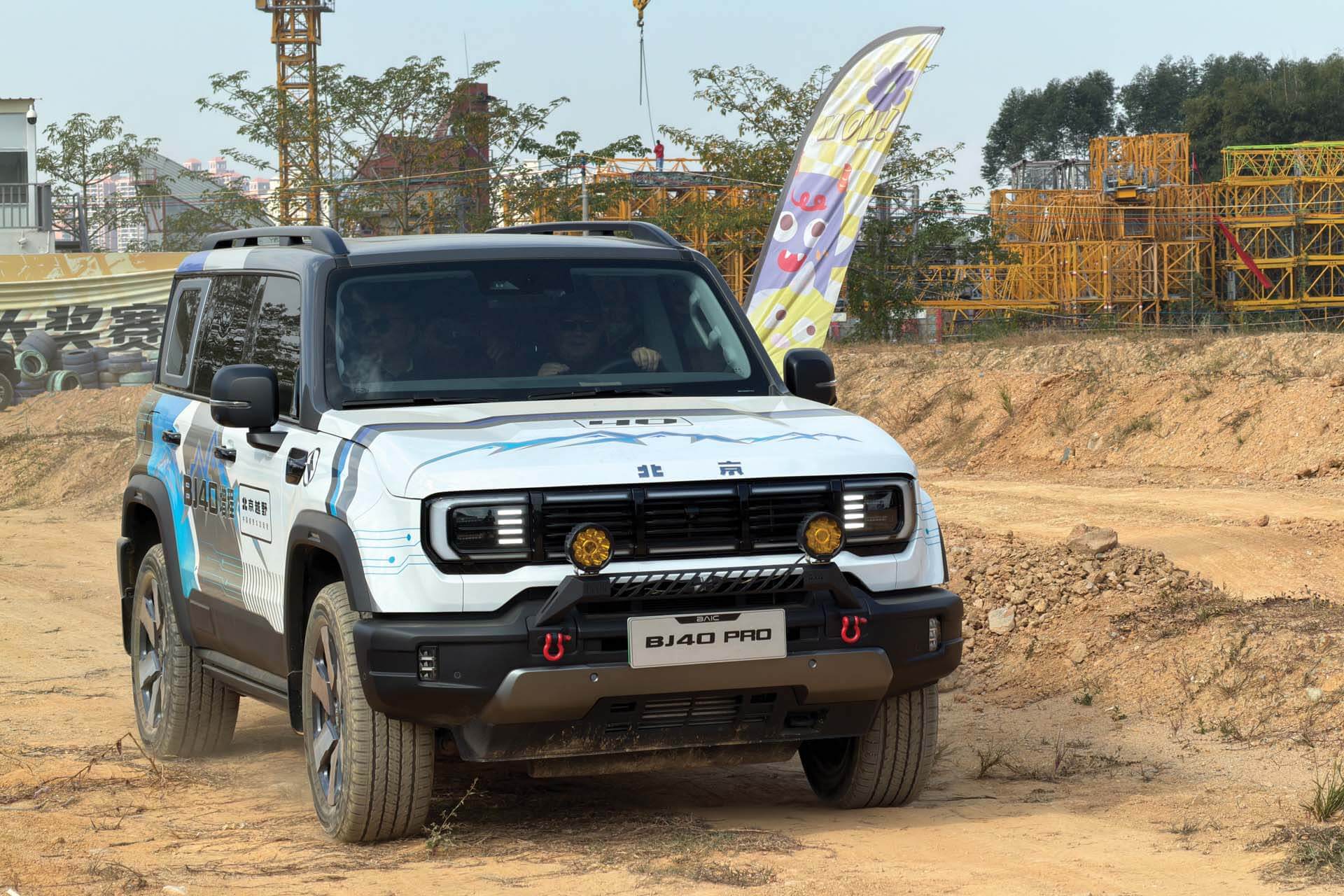
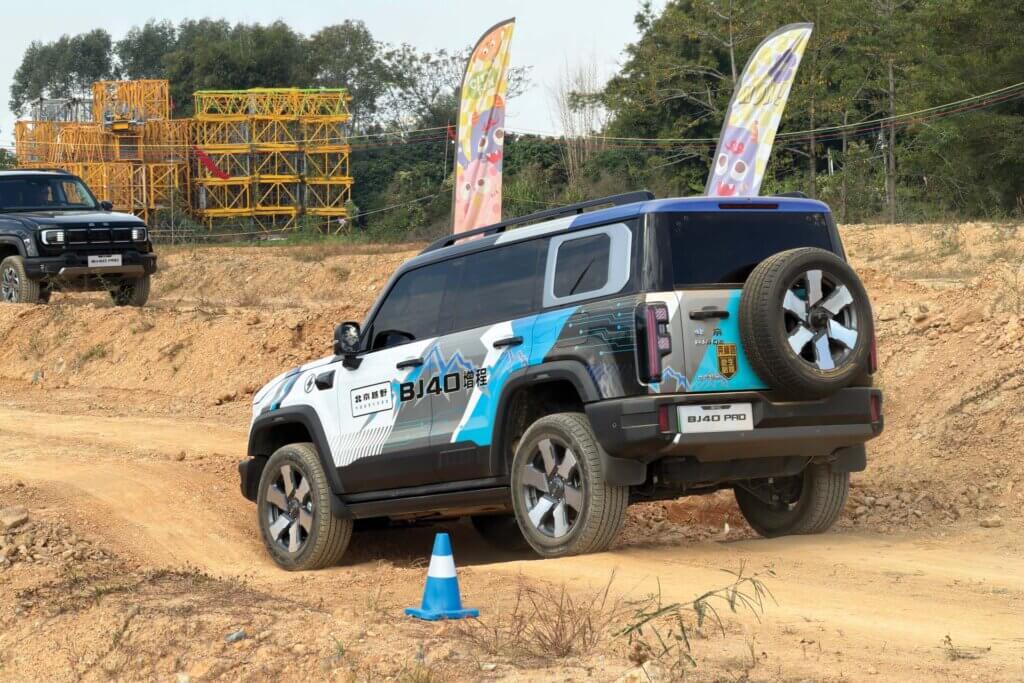
Two SUVs will lead the launch. The X55 compact SUV and the larger B30, both technically softroaders, but the latter with very off-road looks. But the B40, a model that adds serious off-road hardware will follow. We spent time with both the B-models at the Guangzhou Auto Show and also drove the B30 on a closed circuit and the B40 on an off-road track in China.
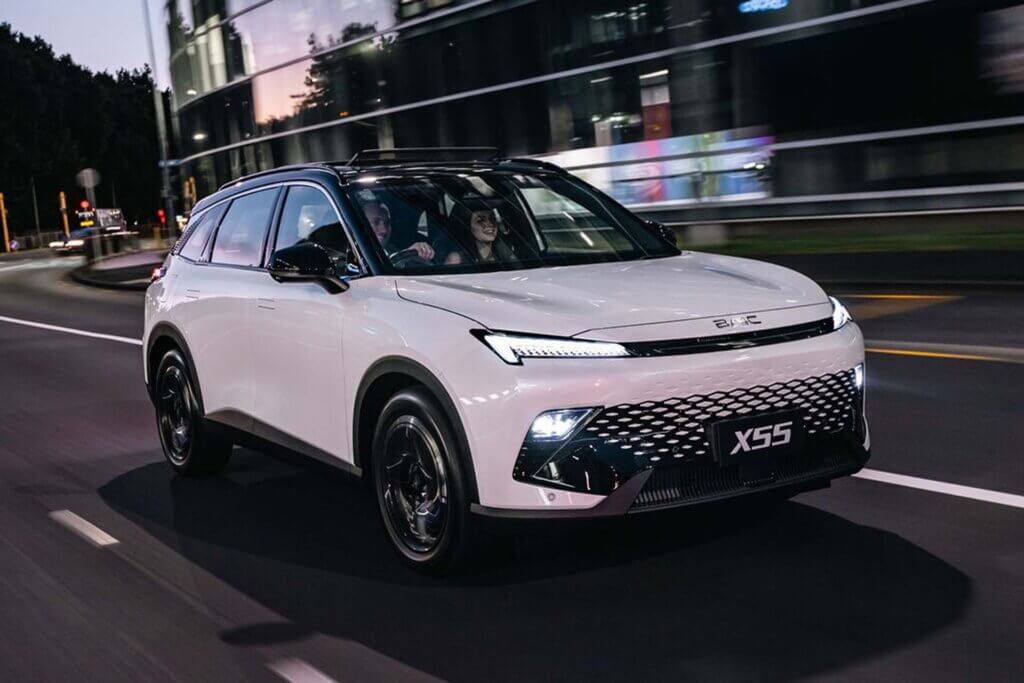
X55: the likely volume seller
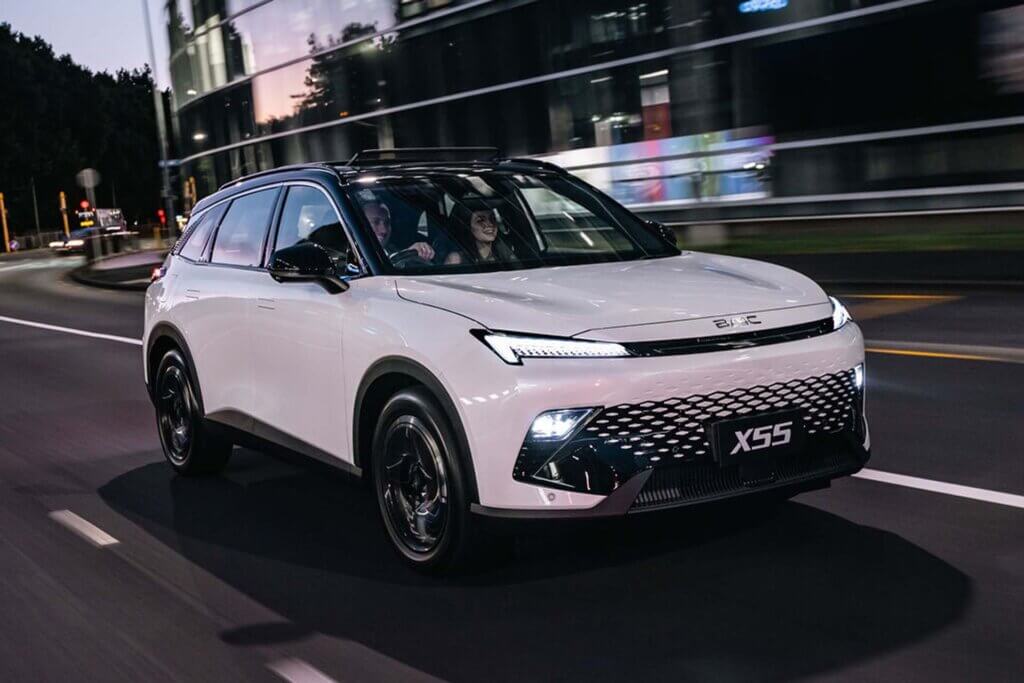
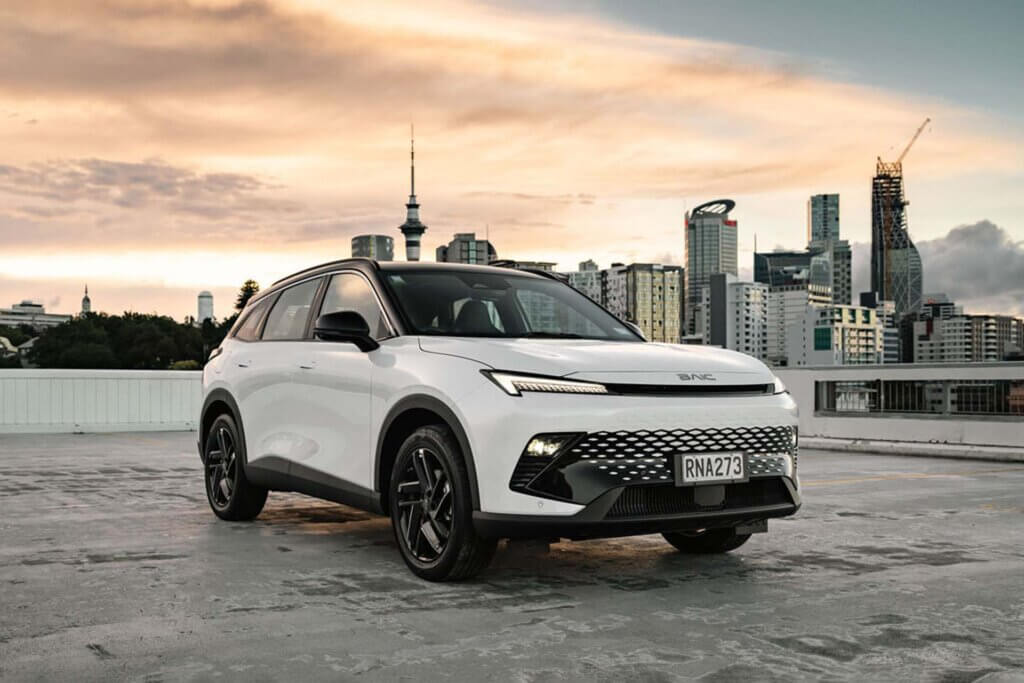
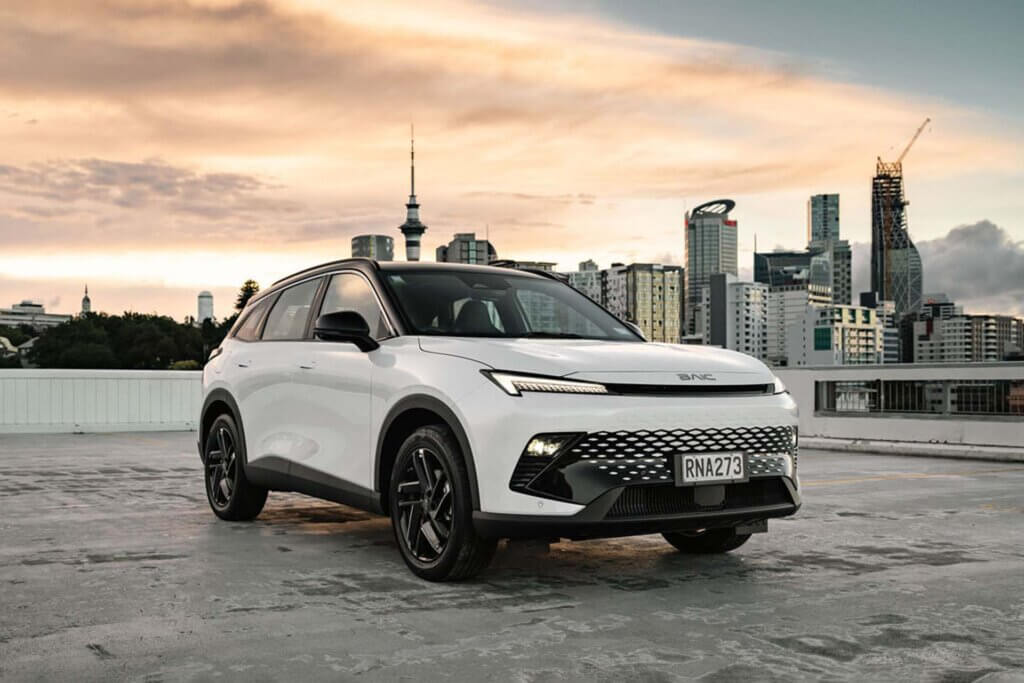
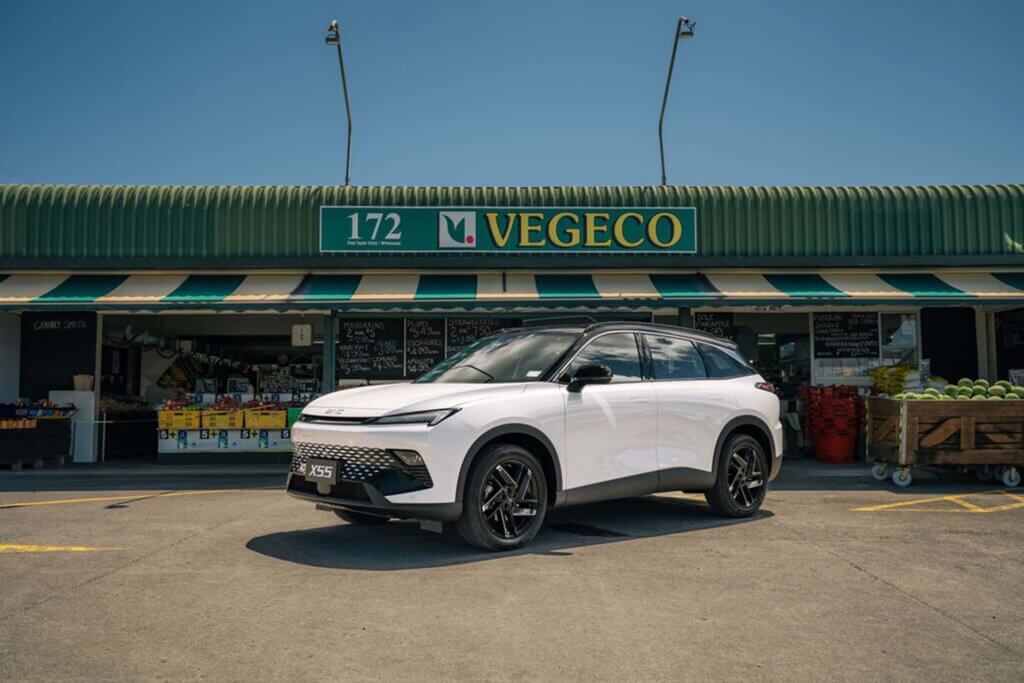
We didn’t get to see the X55 during our trip, but it lands in the busiest part of the New Zealand market, where it sits between smaller SUVs like the Haval Jolion, Mitsubishi ASX and Kia Seltos and midrange options such as the Toyota RAV4 and Kia Sportage. Design-wise it fits comfortably into the modern Chinese SUV mould. Split LED headlights, a broad grille and pop-out door handles give it presence. A 2735mm wheelbase maximises interior space within its 4620mm overall length.
While we didn’t drive the X55, the South African version provides a good indication of what to expect. It uses a 138kW/305Nm 1.5 turbopetrol, paired with a seven-speed dual-clutch transmission. If that powertrain carries over, it would sit at the upper end of the class for performance. Consumption claims sit in the 7.2 to 7.7L/100 km range, though independent testing overseas suggests owners may see closer to nine.
Inside, different markets receive different levels of tech. Spec levels will likely lean high, and depending on market options range from a 10.1-inch central touchscreen, while higher trims elsewhere use a larger 14.6-inch system running Huawei’s HarmonyOS.
B30: the one with personality
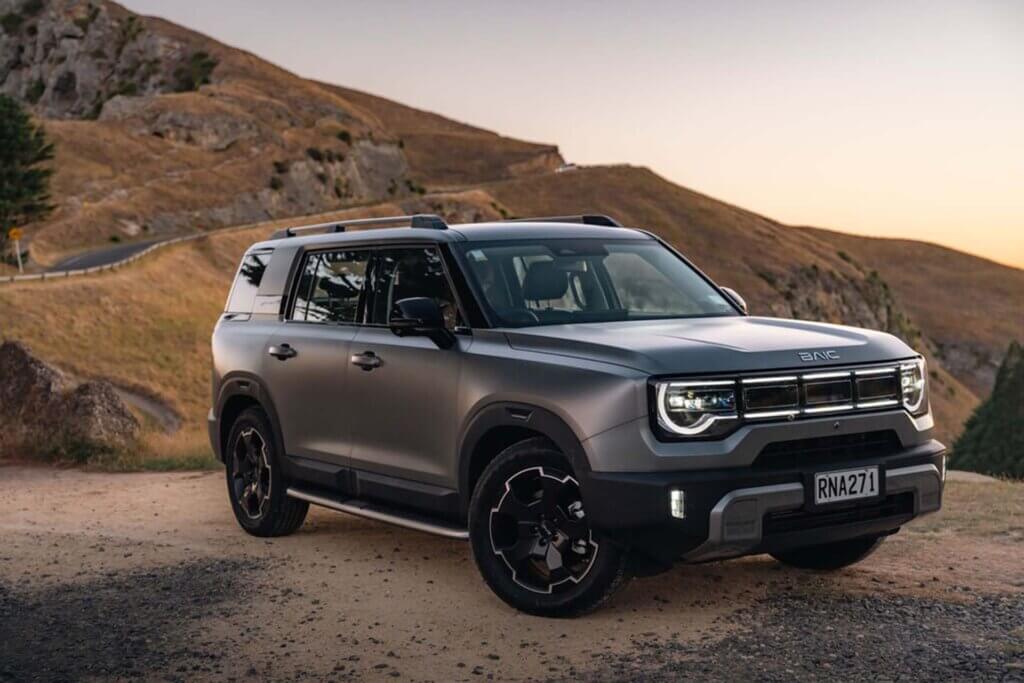
The B30 is the more distinctive of the pair. In China it is sold as the BJ30, a reference to BAIC’s long history with Jeep. Here it will simply be called B30. You can understand why…
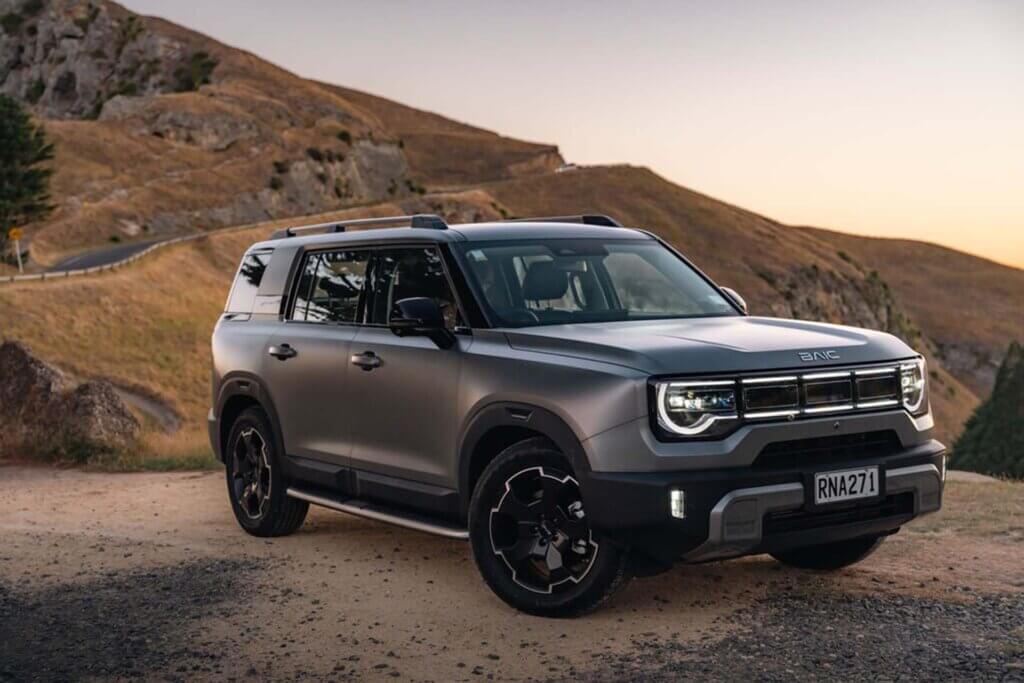
It has an upright, squared-off design that stands apart from most mainstream offerings. Black cladding, a tall body and wide stance give it a purposeful look. Under the styling it is a monocoque medium SUV aimed at family buyers. It is also larger than I was lead to expect. At 4730mm long and 1910mm wide, it sits above a Toyota RAV4. The rear seats fold flat for a nearly two-metre load length, something that will appeal to camping-oriented buyers.
On the track, the B30 felt surprisingly settled. Body control was tidy, the brakes were strong and there was no obvious looseness that sometimes accompanies budget-focused SUVs.
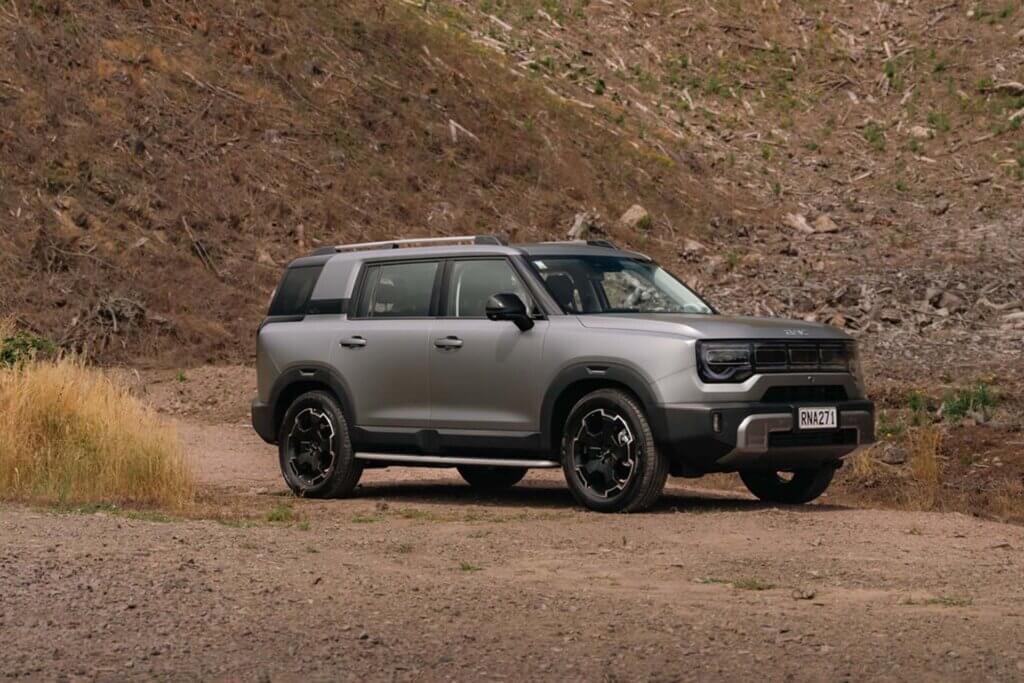
The petrol version runs the same powertrain the X55. We also sampled the hybrid version. This pairs the 1.5 litre engine with electric motors and a dedicated hybrid transmission. Overseas figures quote outputs from 246kW to as high as 301kW in AWD form. Neither felt particularly brisk, though considering the short track, the hybrid system was likely struggling to build much stored energy. Ground clearance is listed at 215mm. If similar numbers carry over, the B30 will have enough ability for gravel and light off-road use.
Inside, the cabin is a highlight. A Snapdragon 8155 chip powers a large 14.6-inch infotainment screen, and the interior mixes functional materials with a bit of flair.
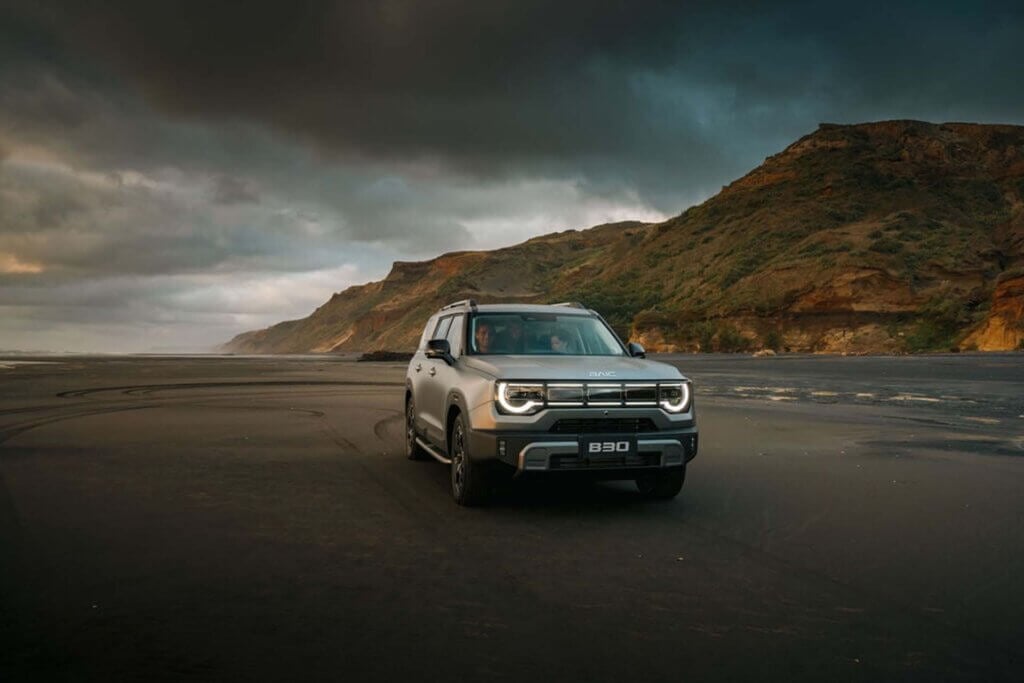
A potential seven-seat petrol version is also under discussion for New Zealand. With affordable three-row options becoming scarce, this could prove popular.
B40: the traditional off-roader
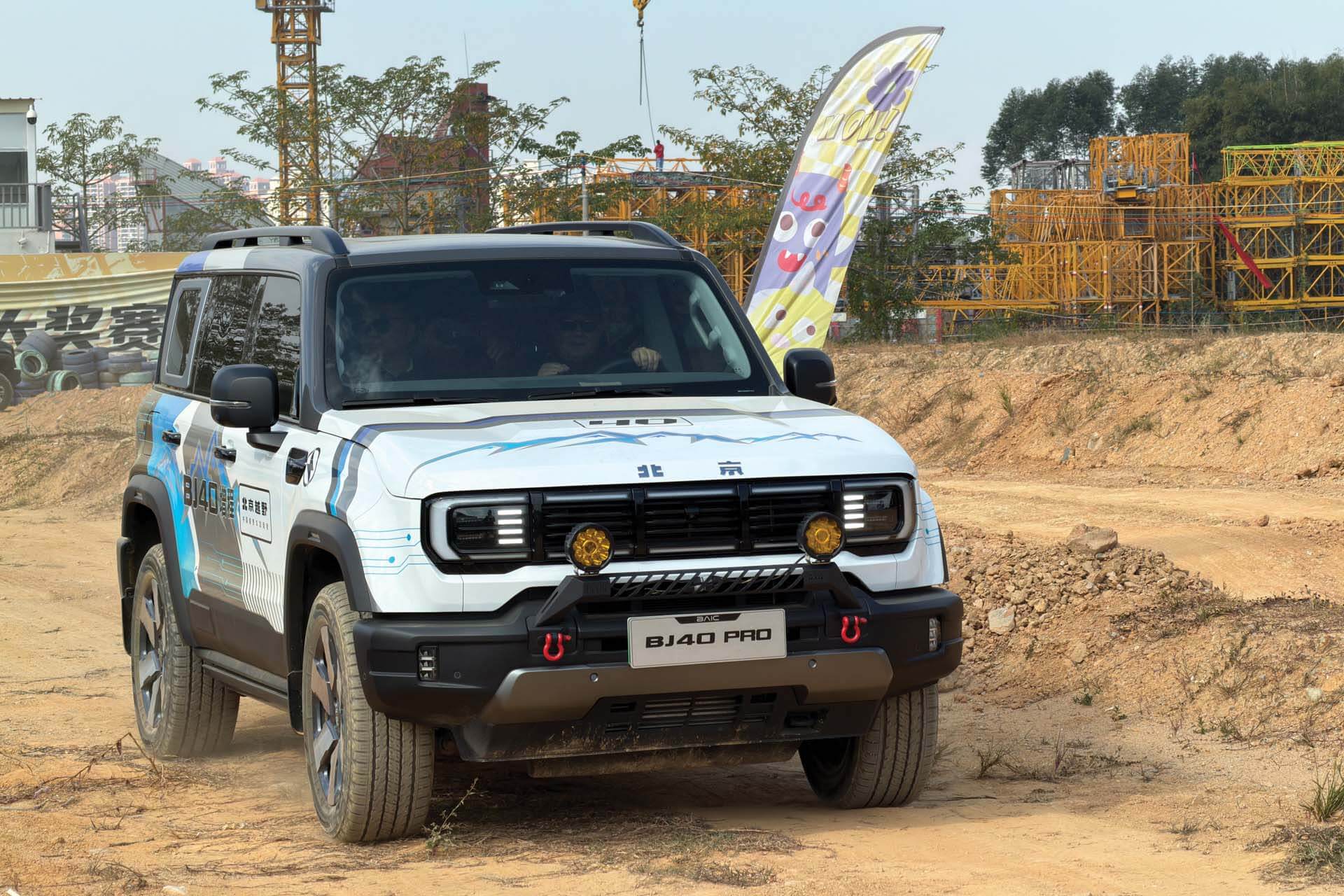
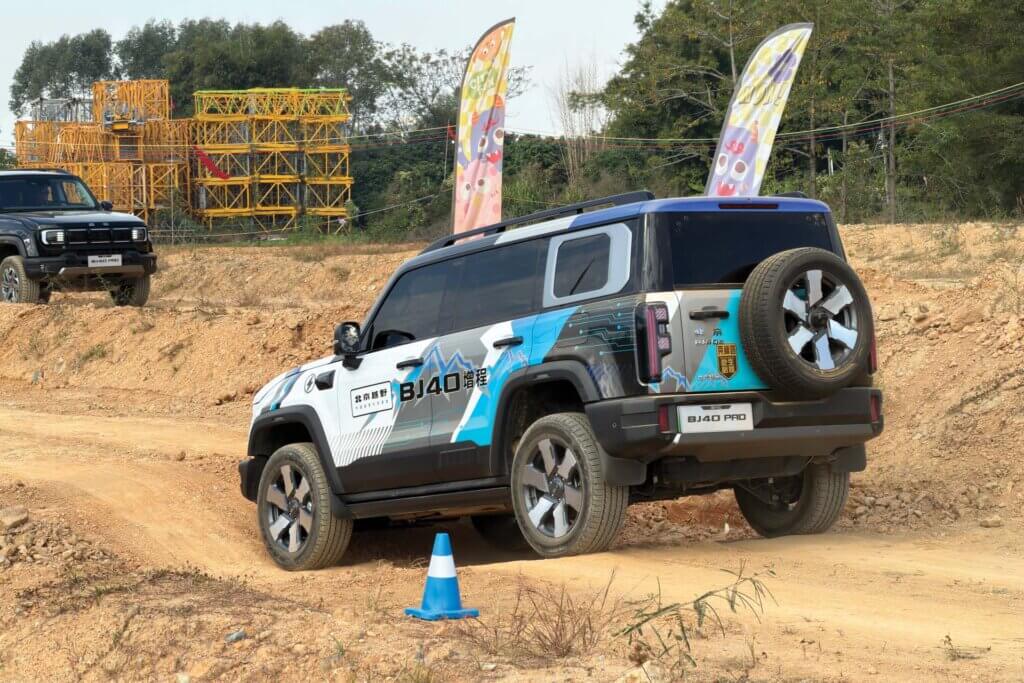
The B40 sits at the other end of BAIC’s line-up. This is the model most closely linked to the brand’s heritage and runs on a proper ladder-frame chassis.
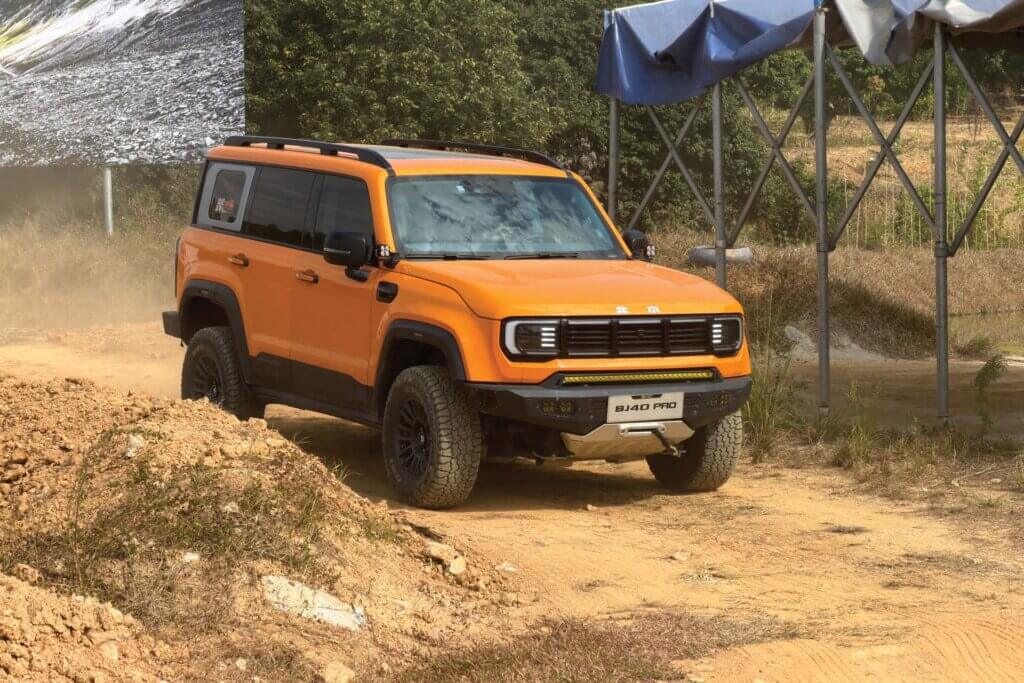
The hardware is the giveaway. The Pro variant we drove uses a part-time four-wheel drive system with a low-range transfer case, plus locking front, centre and rear differentials. That triple-locker setup puts it in the same mechanical league as vehicles like the Jeep Wrangler Rubicon. Suspension is traditional off-road fare too, with a solid rear axle and long-travel coil-spring suspension. A heavy-duty independent double-wishbone front end completes the package.
Final New Zealand specifications are still to come. Overseas markets offer several engine configurations, the most common being a 165kW/380Nm 2.0 turbopetrol. BAIC also offers a 120kW/350Nm 2.0 turbodiesel option. That variant is geared more toward longevity and torque delivery than outright performance.
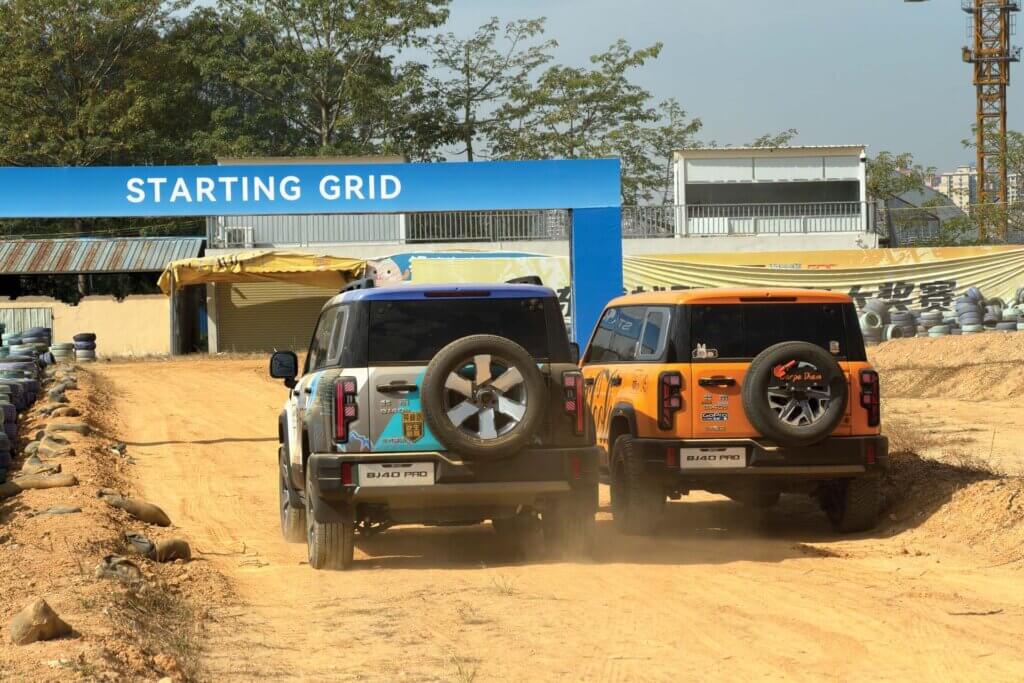
A further powertrain option gaining traction overseas is the new range-extended hybrid, badged BJ40e. This replaces the traditional combustion-led layout with an REEV system built around a 1.5 turbo that functions primarily as a generator. It feeds a 40.3kWh battery that powers electric motors which provide all propulsion.
The headline figures are its range claims. On a full battery it can deliver approximately 152km of electric-only driving under CLTC testing. With the range extender operating, the total claimed range stretches to around 1200 km. The hybrid system also results in structural changes. The rear solid-beam axle is replaced with an independent layout to accommodate the battery and electric drive hardware. Importantly, off-road credentials remain intact. Locking front, centre and rear differentials continue, along with multiple off-road drive modes. Whether this hybrid variant appears in right-hand-drive form is still unknown.
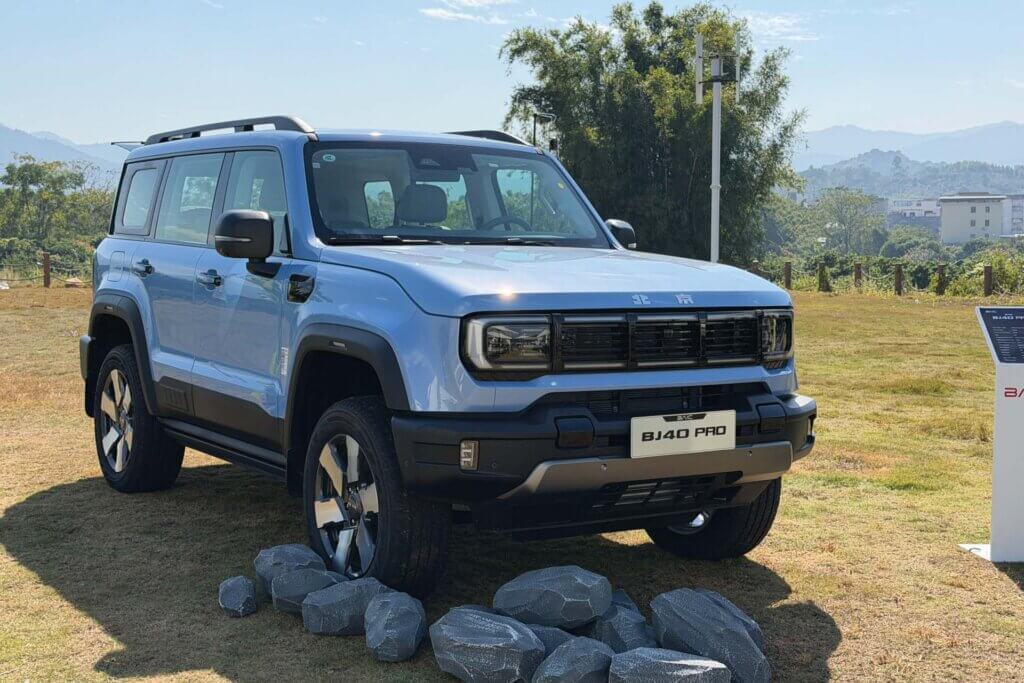
Regardless, the hard off-road numbers are solid. Approach angles of around 37 degrees, departure angles close to 33 degrees and ground clearance exceeding 225mm, depending on tyres. Those numbers would place it among the more capable factory off-road wagons on sale here.
On the off-road course it dealt with articulation humps and deep ruts without complaint. Throttle calibration in Sand mode needs some refinement, but in its normal settings the B40 felt controlled and predictable on technical terrain.
One surprise was the turning circle. For a ladder-frame 4×4 it was impressively tight, something that will matter on New Zealand bush tracks.
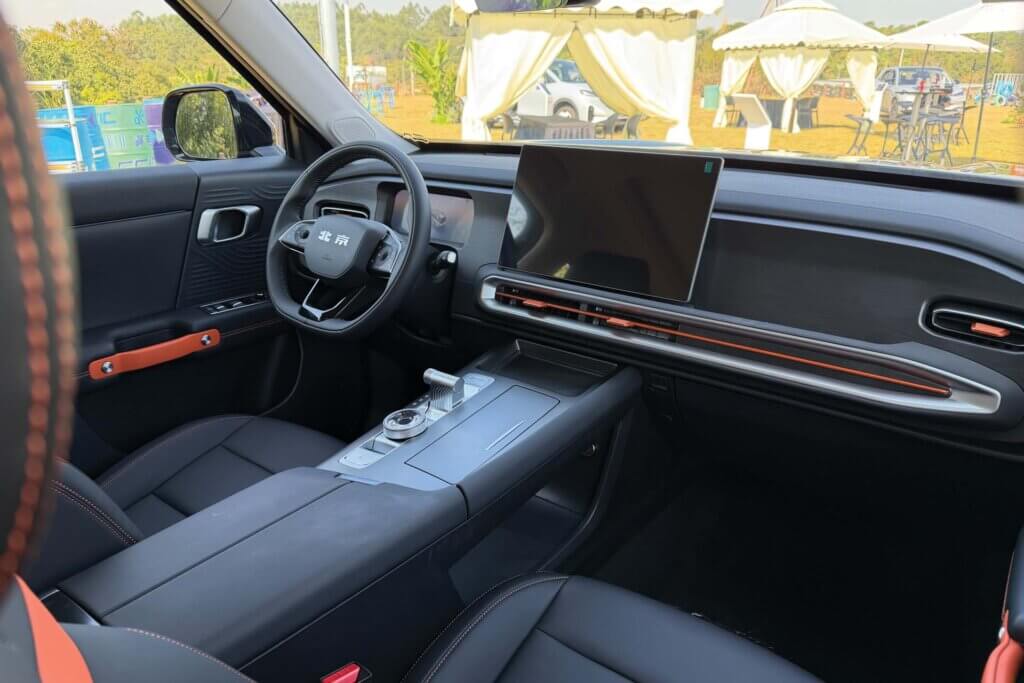
In character and capability it sits in the same space as Toyota’s Prado. And to be honest the build and feel of modernity in the car matched if not bettered that legend.
BAIC also displayed an older-platform B40 with removable roof panels and a more traditional look. It has strong visual appeal, think budget Wrangler, but its older powertrain and emissions hardware make it unlikely for New Zealand compliance. That said Armstrong’s management certainly have their eye on the possibility.
It comes down to price.
The X55 looks competitive on paper, the B30 offers more character and ability than expected, and the B40 shows the brand knows how to build a proper four-wheel drive. The latter is the one we want to try most. Of course all this will hinge on price, and at this stage they are being tight lipped. Armstrongs will need to make a call on how many of the cool option boxes they tick.