View all
16 more images
2026 Cupra Tavascan VZ Review
Words: Kyle Cassidy | Photos: Alex Schultz
The Tavascan is Cupra’s take on electric mobility. It looks sharp and drives well, but is it a bit pricey?
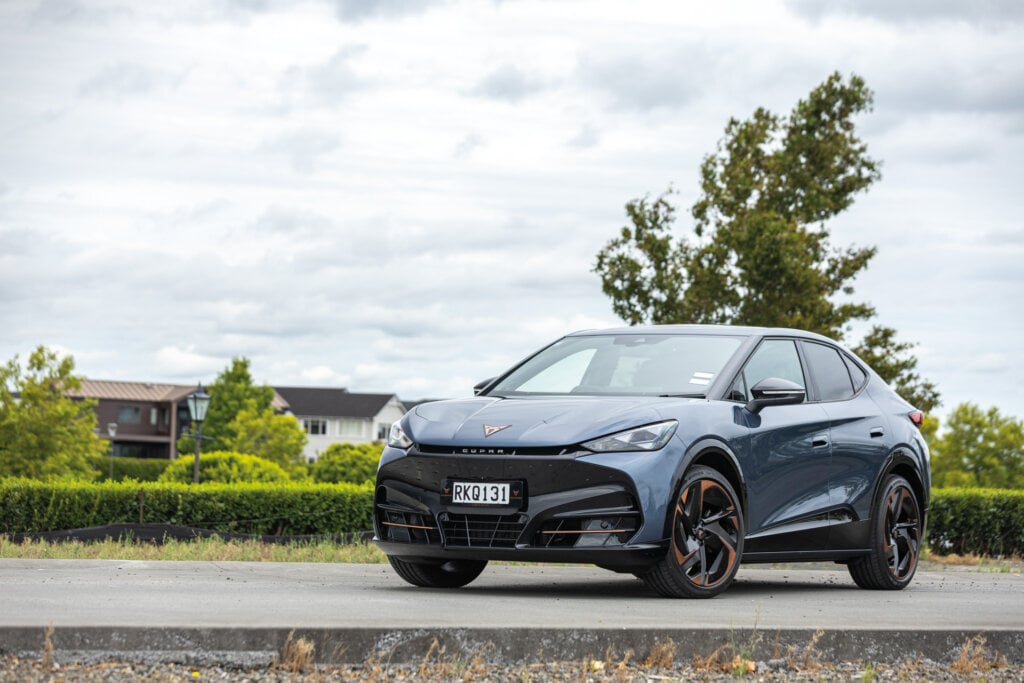
The Cupra Tavascan is the brand’s latest electric vehicle, offered in both V and racier VZ forms, the latter complete with AWD and extra go. And it’s the only electric Cupra at present as the Born waits to be born again. Like all of the Spaniard’s models, the Tavascan is based on a Volkswagen Group platform, that being the MEB, which also underpins the Skoda Enyaq, ID.4 and Q4 e-tron. Cupra’s M.O is to take these common platforms and inject them with a bit of character, turning out a machine that’s a more dynamic drive. So is that also the case with the Tavascan?
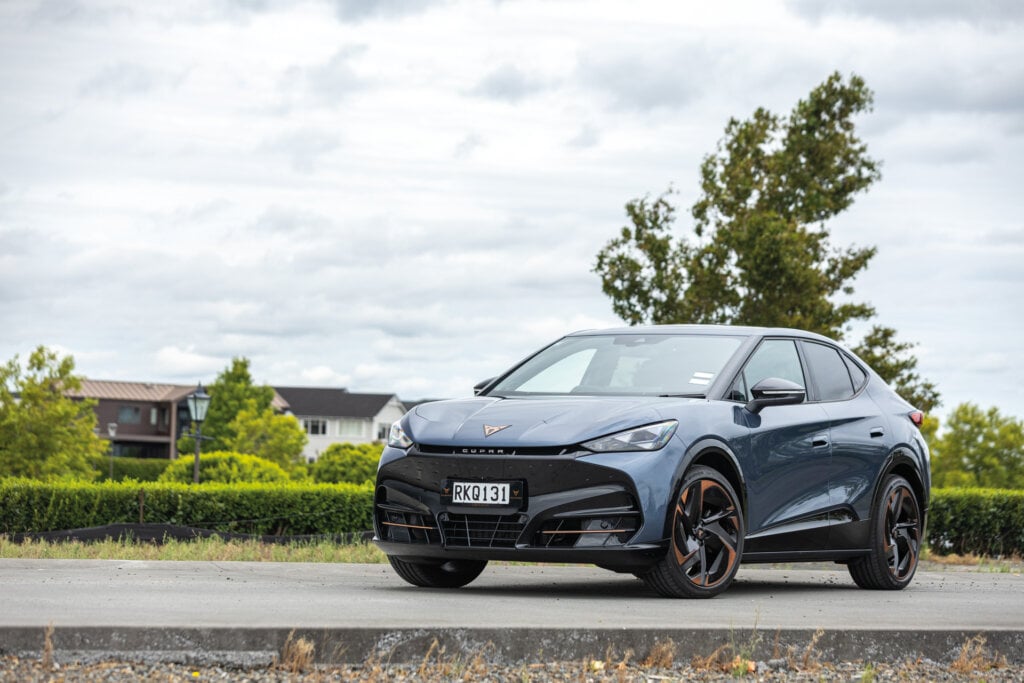
Styling tuned too
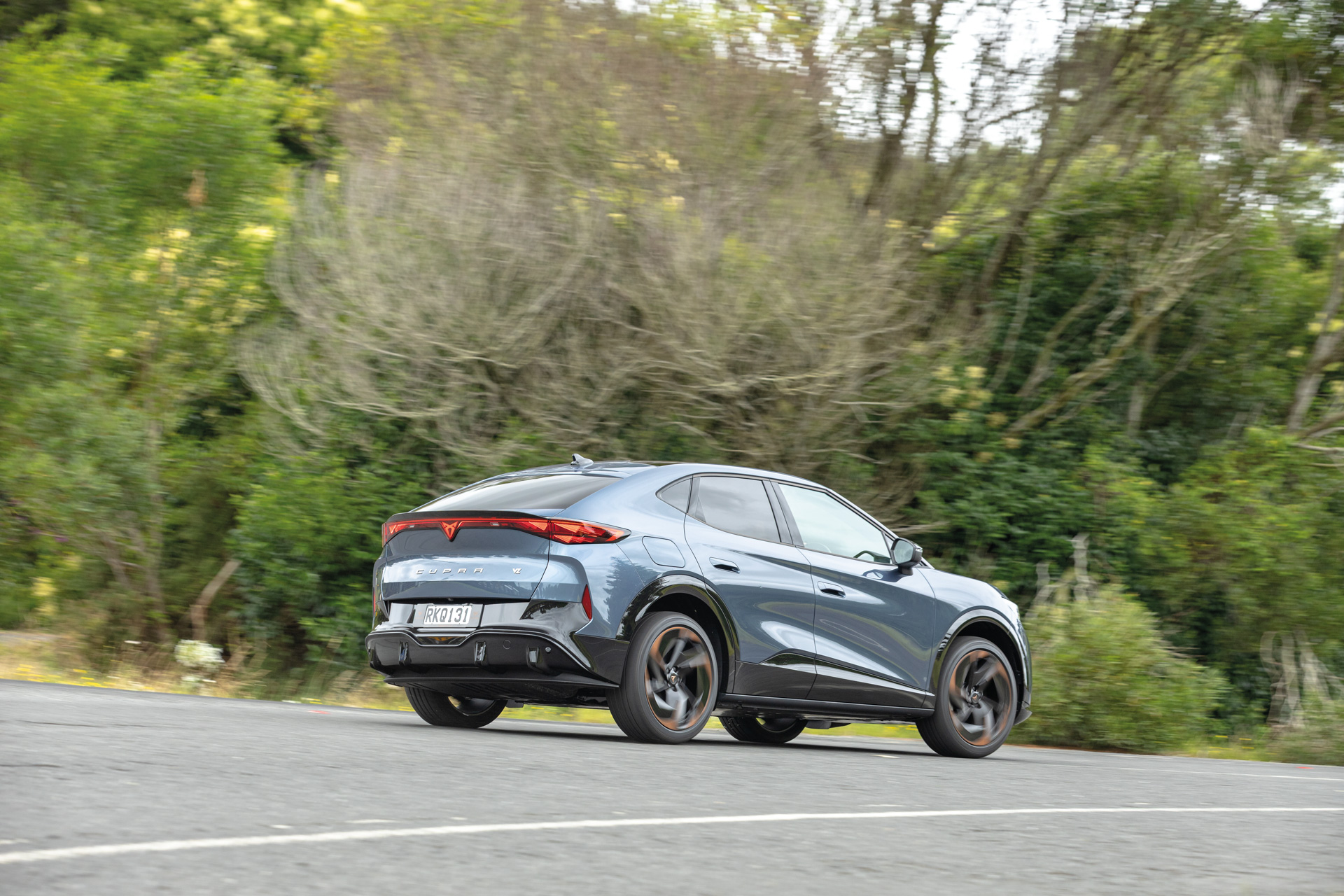
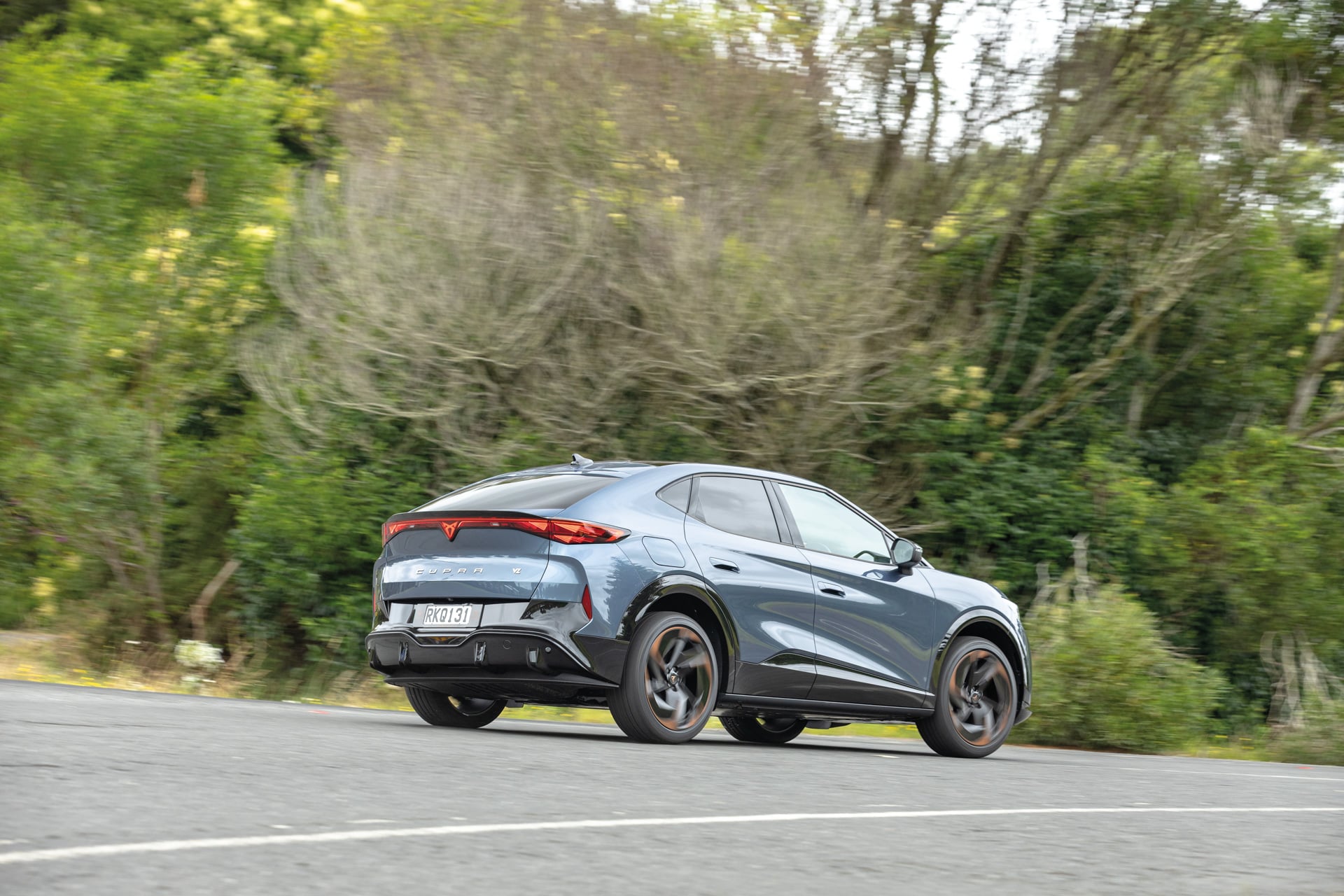
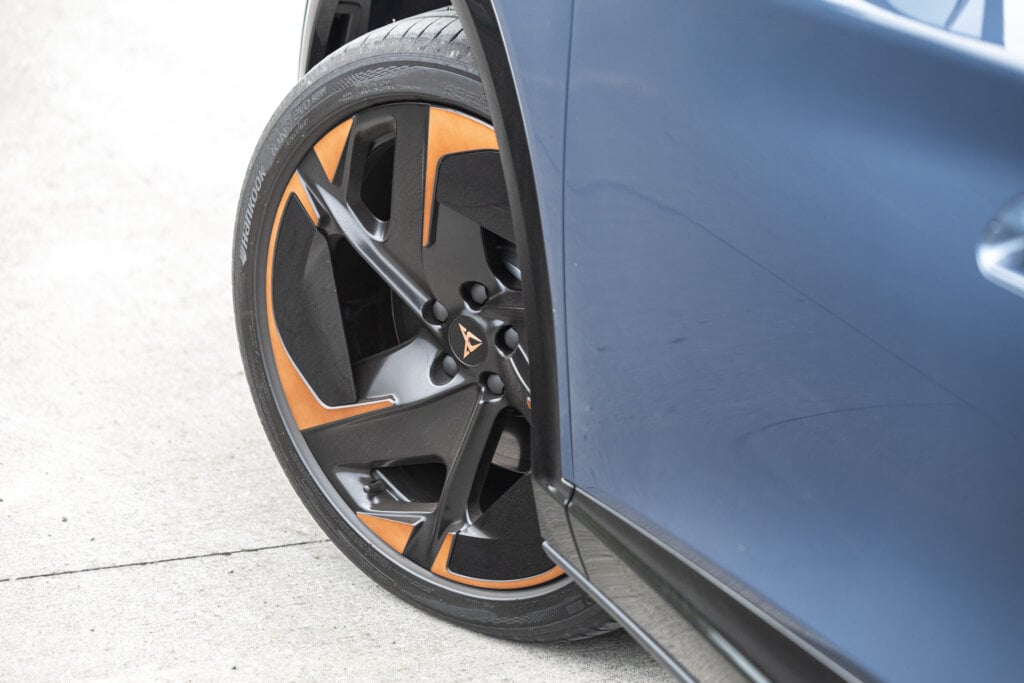
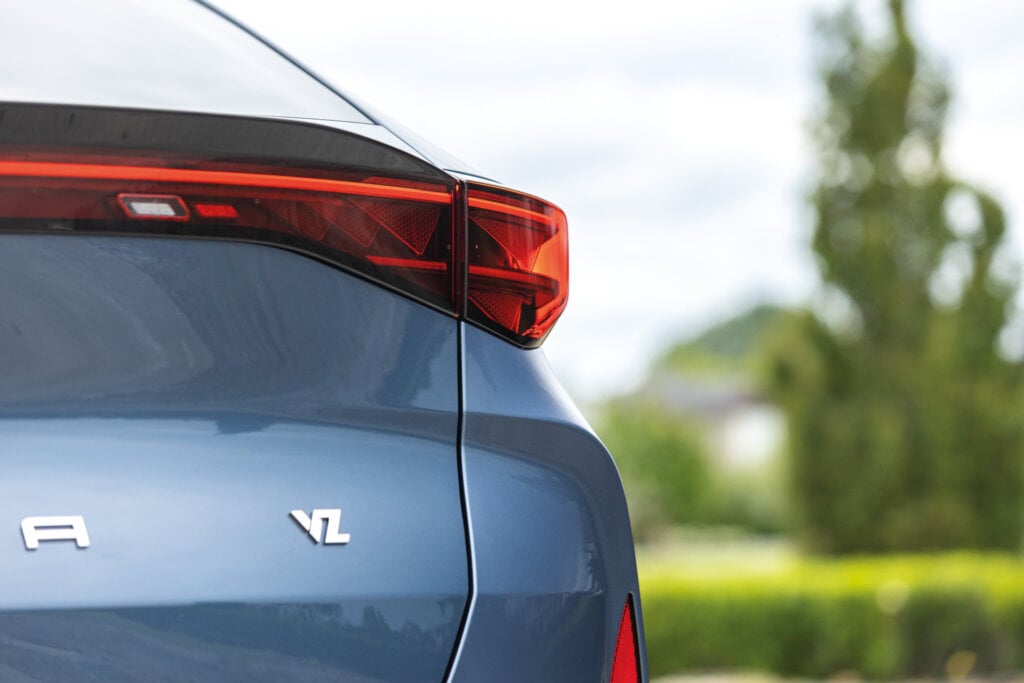
Cupra also tends to spice up the look. While its curves might not be universally liked, it’s the most dynamic looking of the MEB family. It certainly has more spunk than the generically styled Chinese electric vehicles around. Though it’s to be noted this too originates from a factory in China, but was penned in Spain.
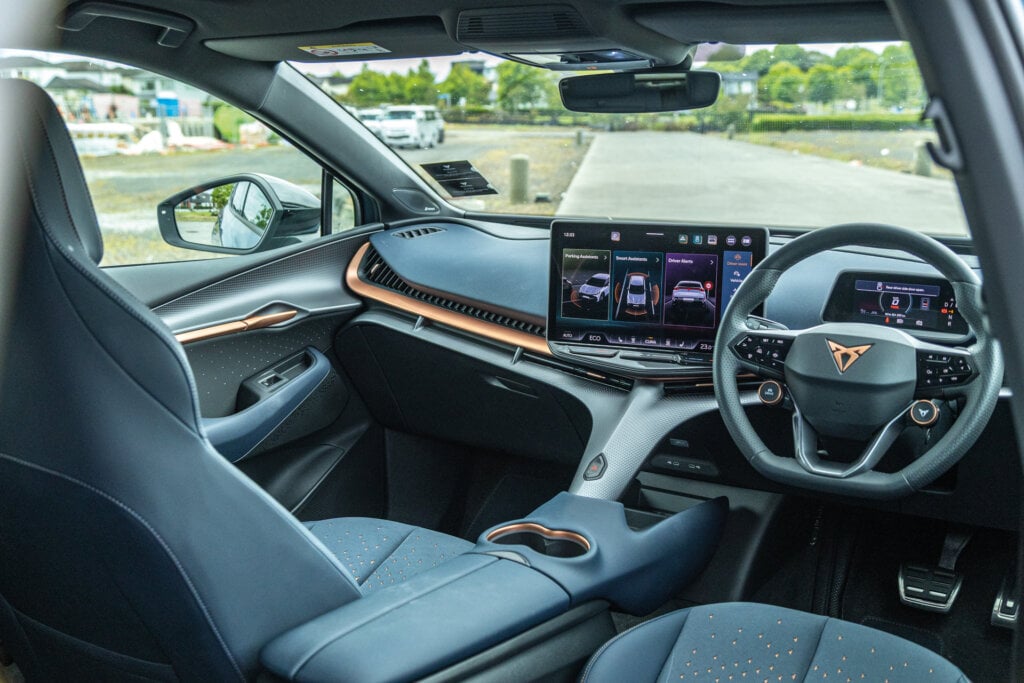
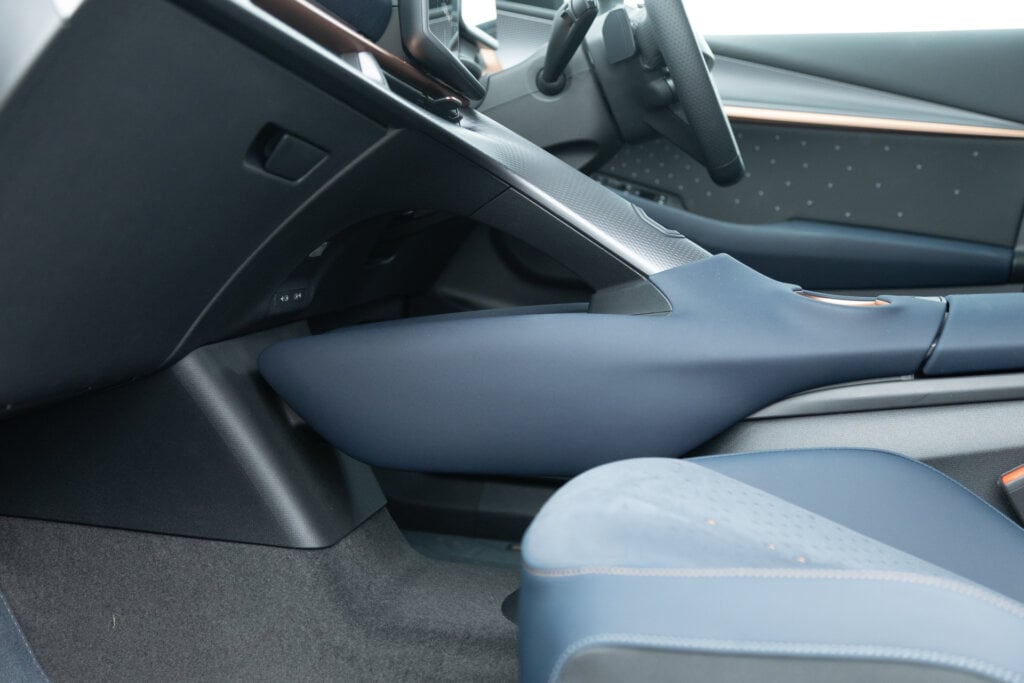
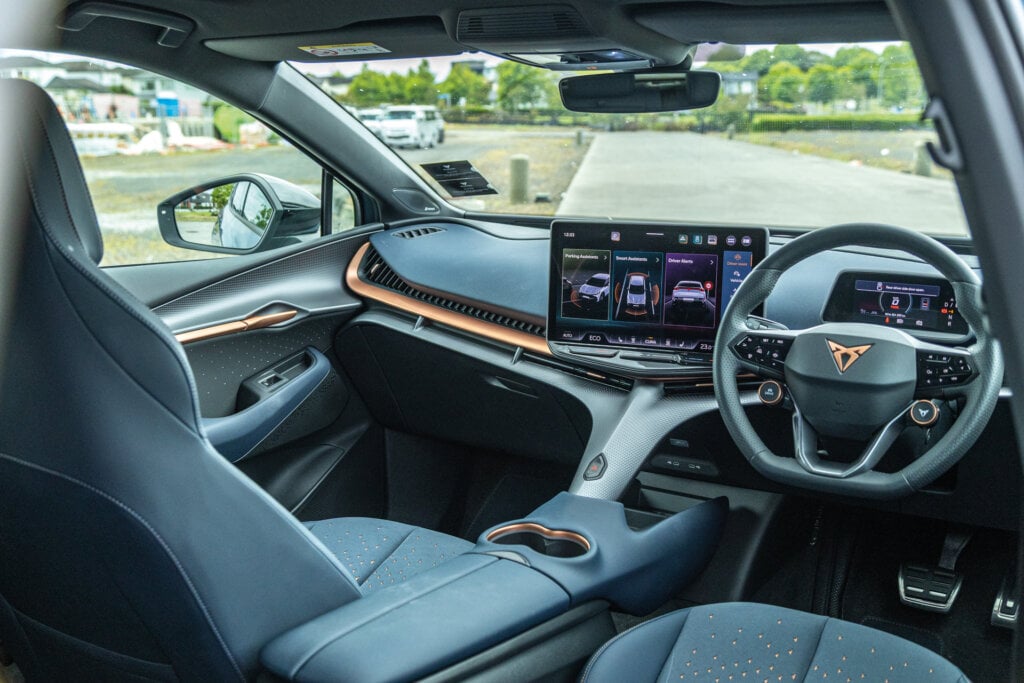
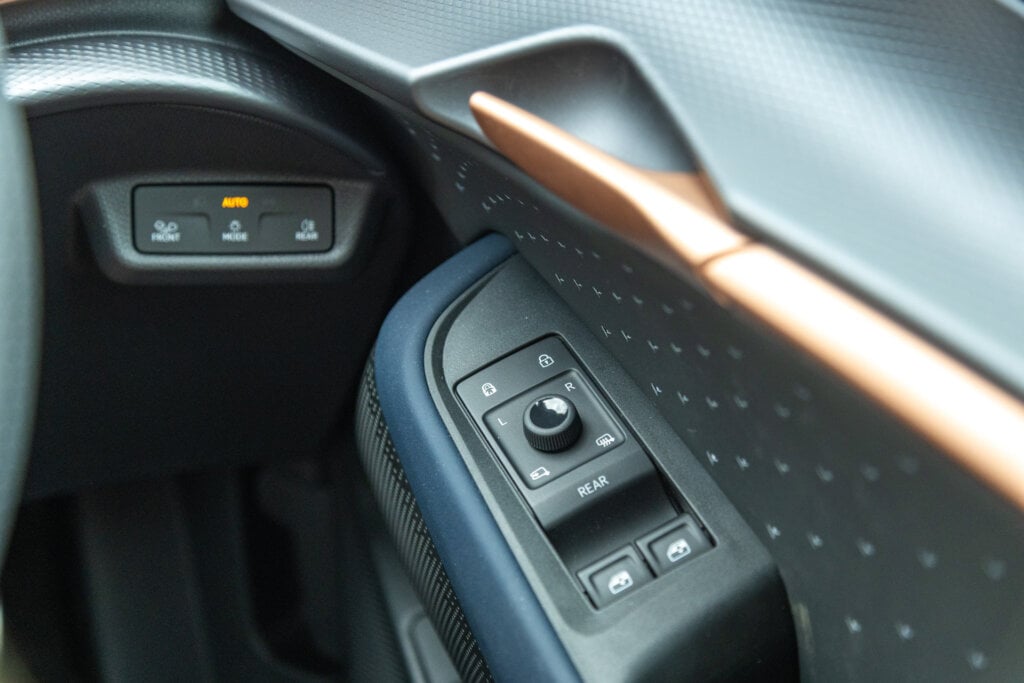
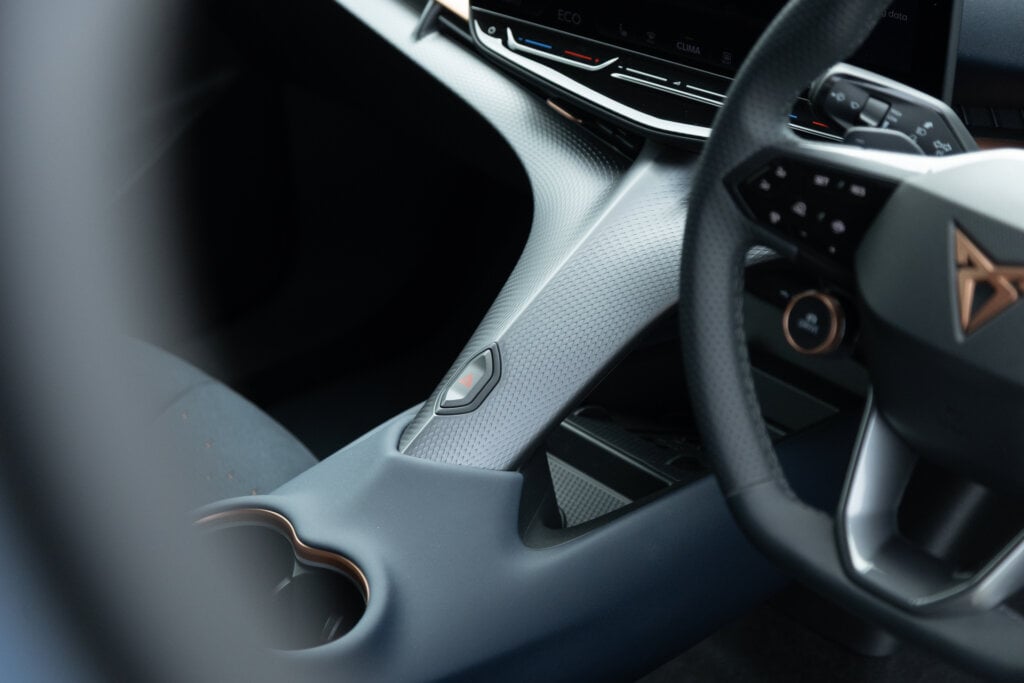
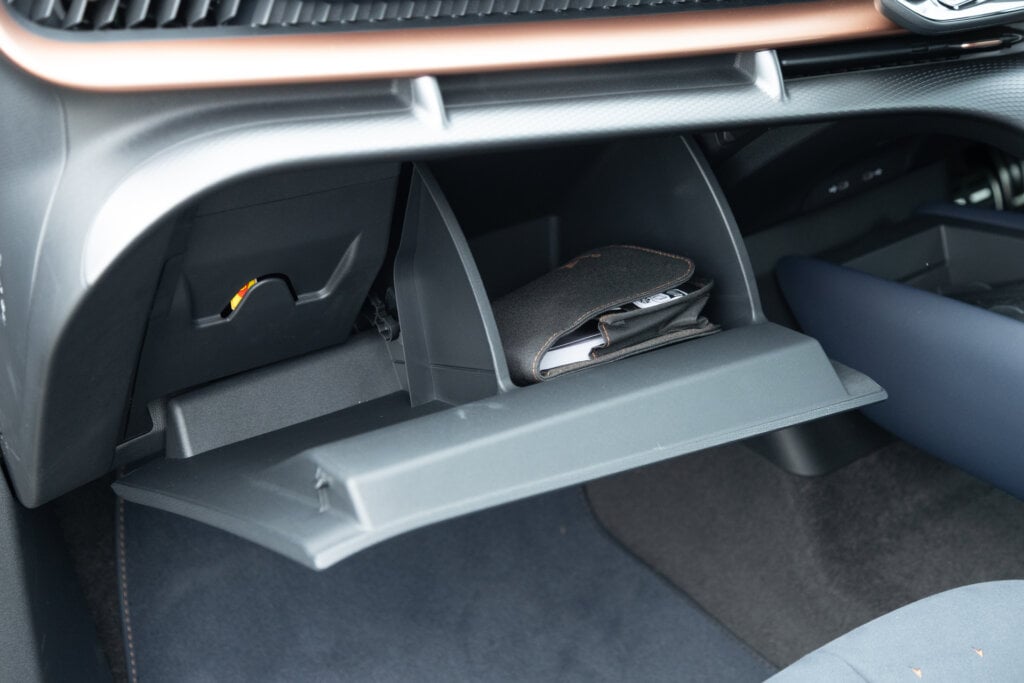
The striking features carry over into the interior. You’ll first notice the central ‘spine’, that thing growing out of the dash. This visual and tactile design flourish is more about form than function, it’s a nice point of difference but does impinge on practical storage. There is a phone charger underneath, but below that is, well, a void. There are two small-ish cup holders on the arm rest, and there’s an okay-sized center bin. The door pockets and glovebox are XS in size however.
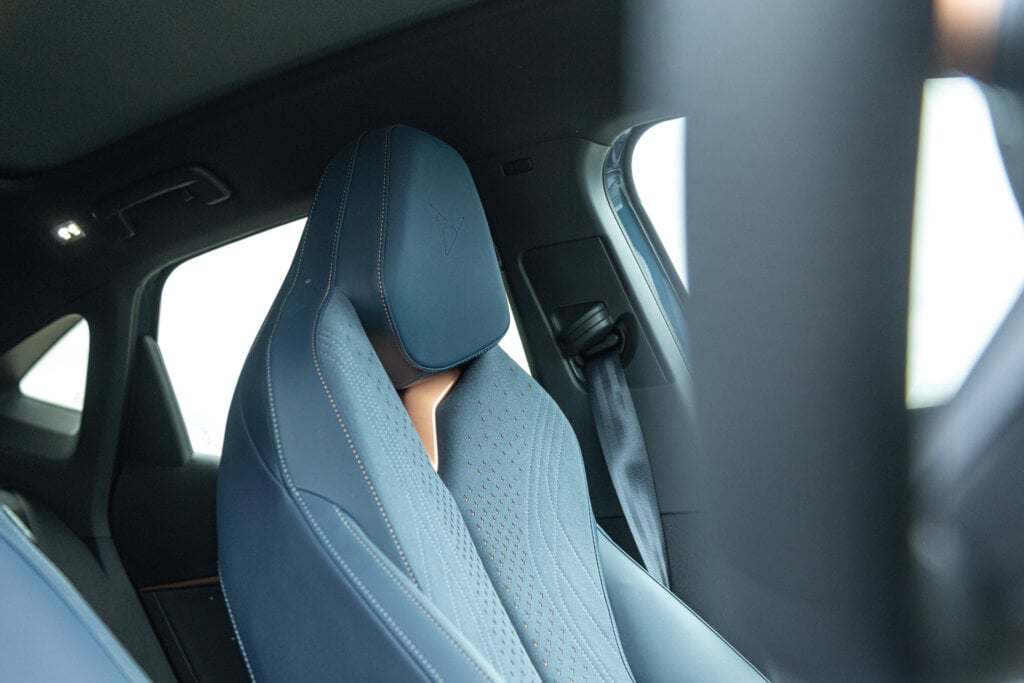
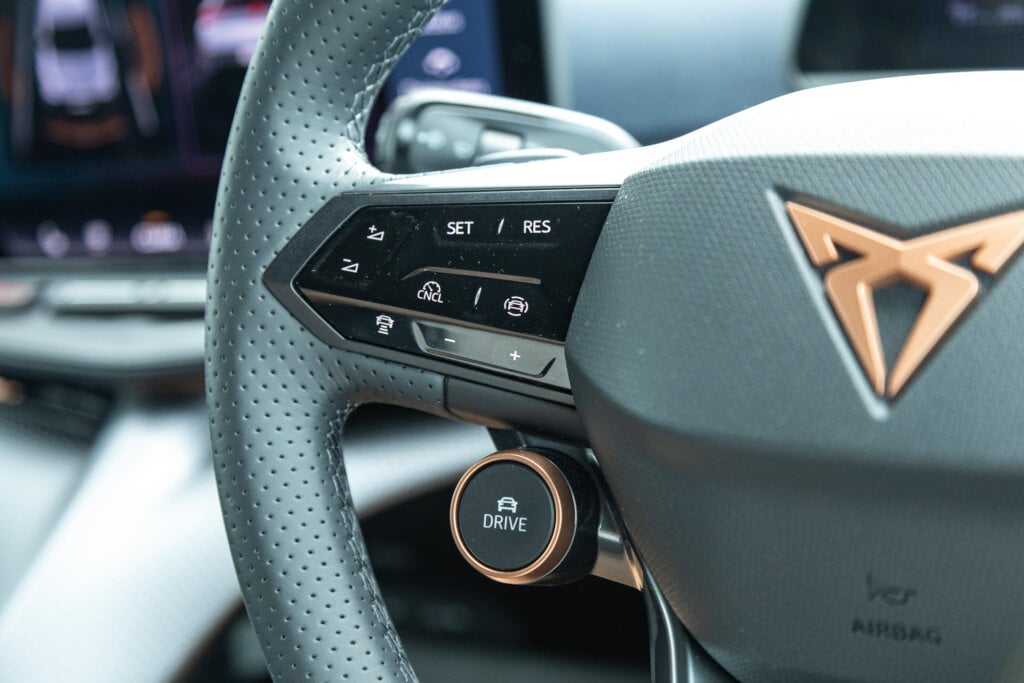
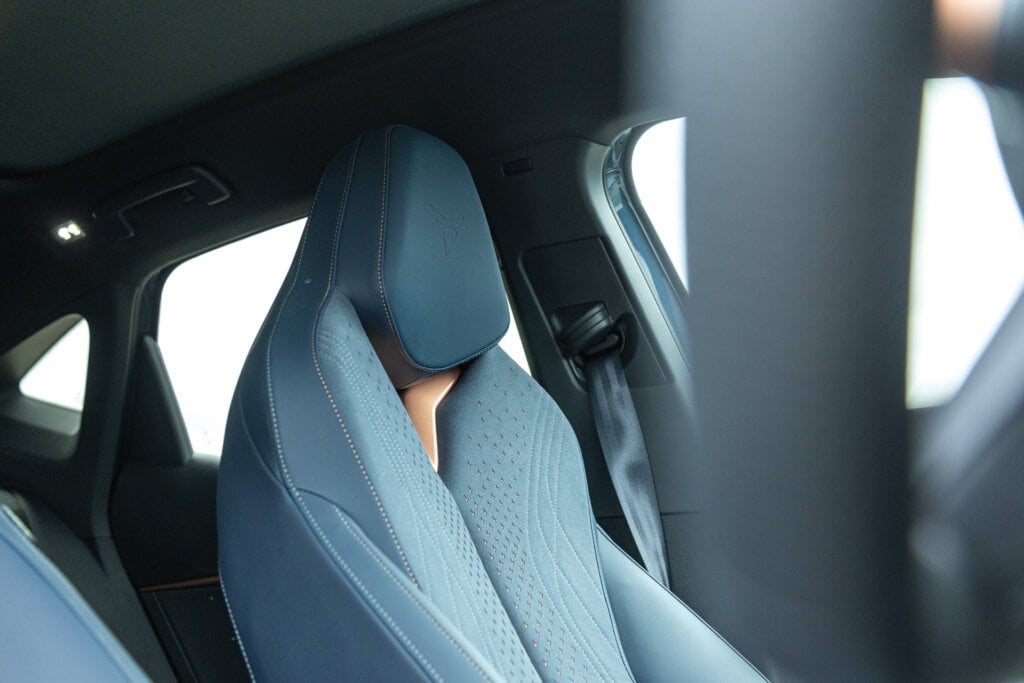
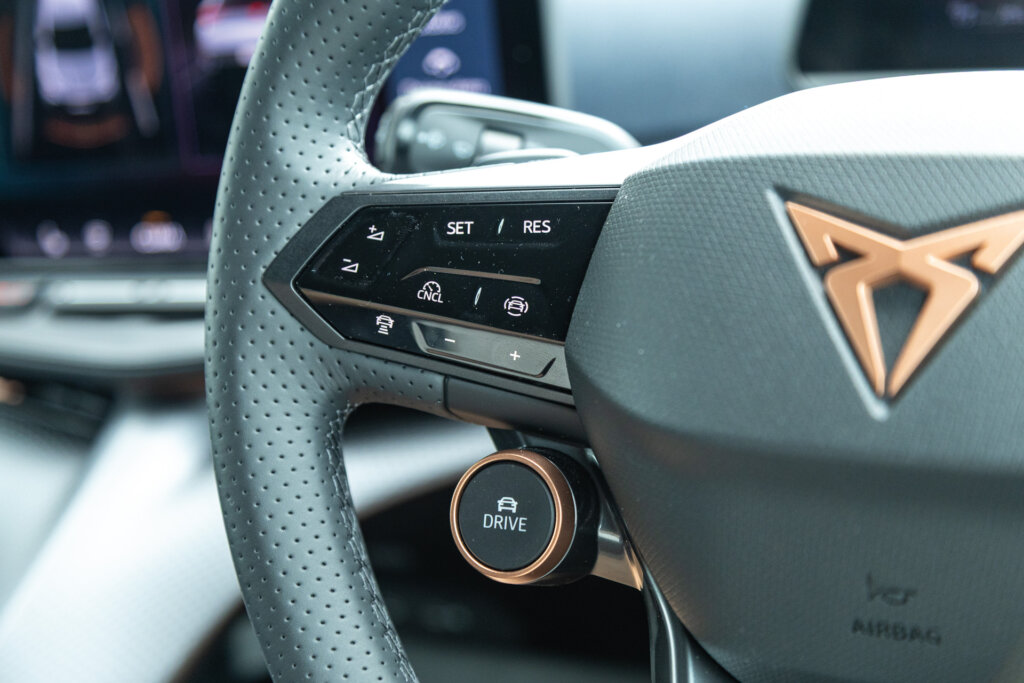
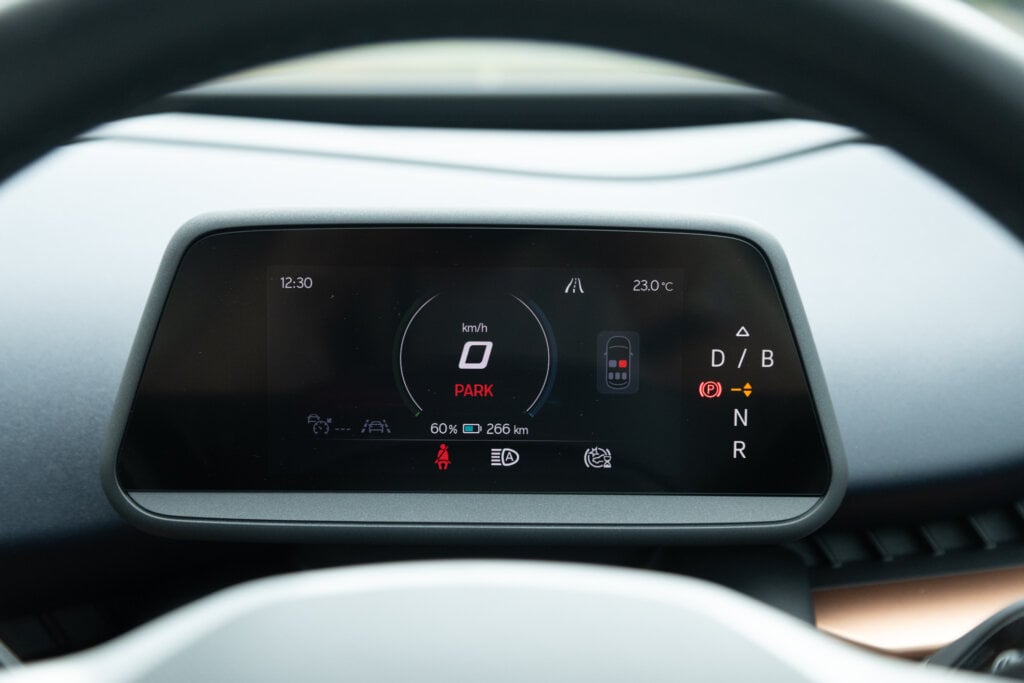
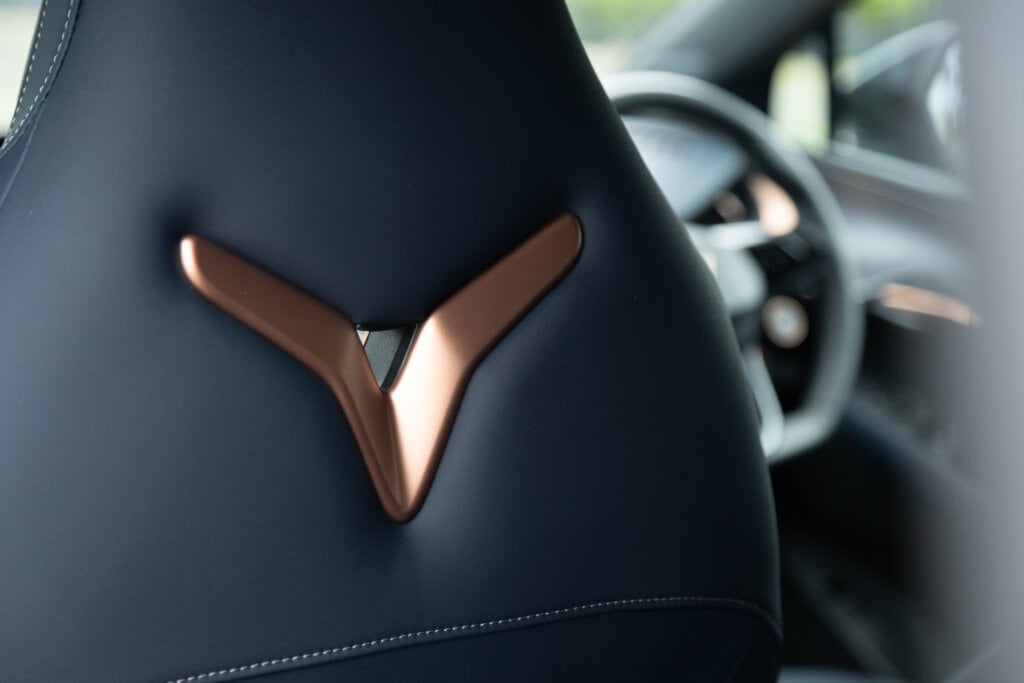
The overall cabin design should distract you from those minor inconveniences. It’s the antithesis of those generic and formless Chinese newcomers. There’s a generous amount of texture, detail and style. The seats are sporty numbers, supportive but not too firm, and set at an ‘easy entry’ height. The adjustment is good also, with heating but no ventilation. The touchscreen runs the show, but it’s quick enough, most functions done with a couple of taps and it’s large enough so the buttons are easy to hit on the move. Annoying there’s no sat-nav however. And no head-up, though a dedicated driver display does the job nicely. The haptic pads on the wheel can be fiddly, and activated accidentally too. A running change will see these replaced by actual buttons at some point.
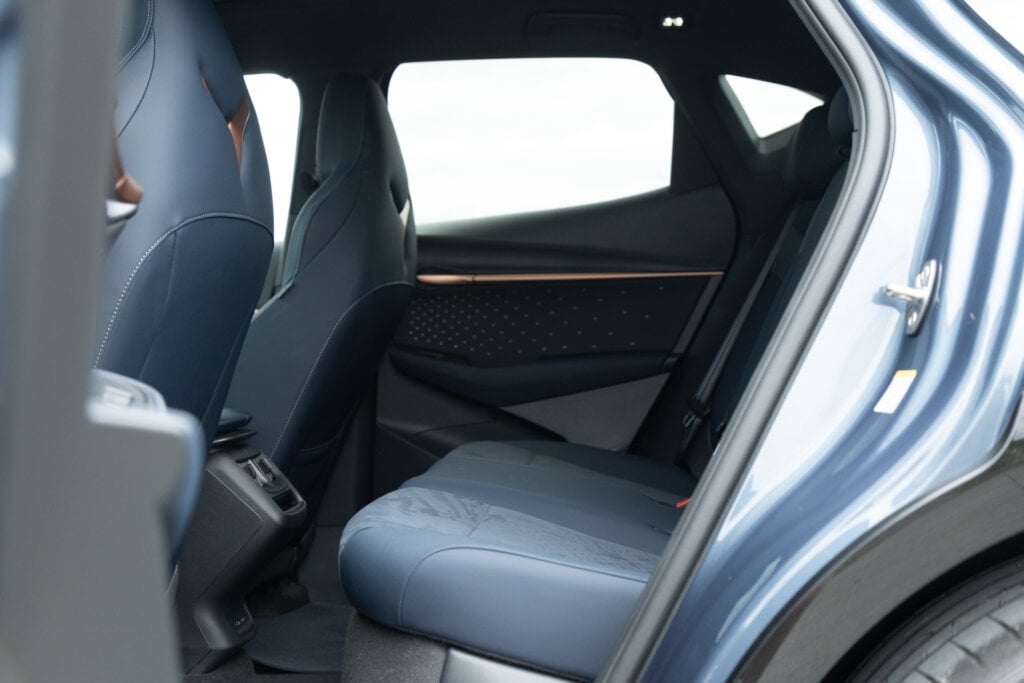
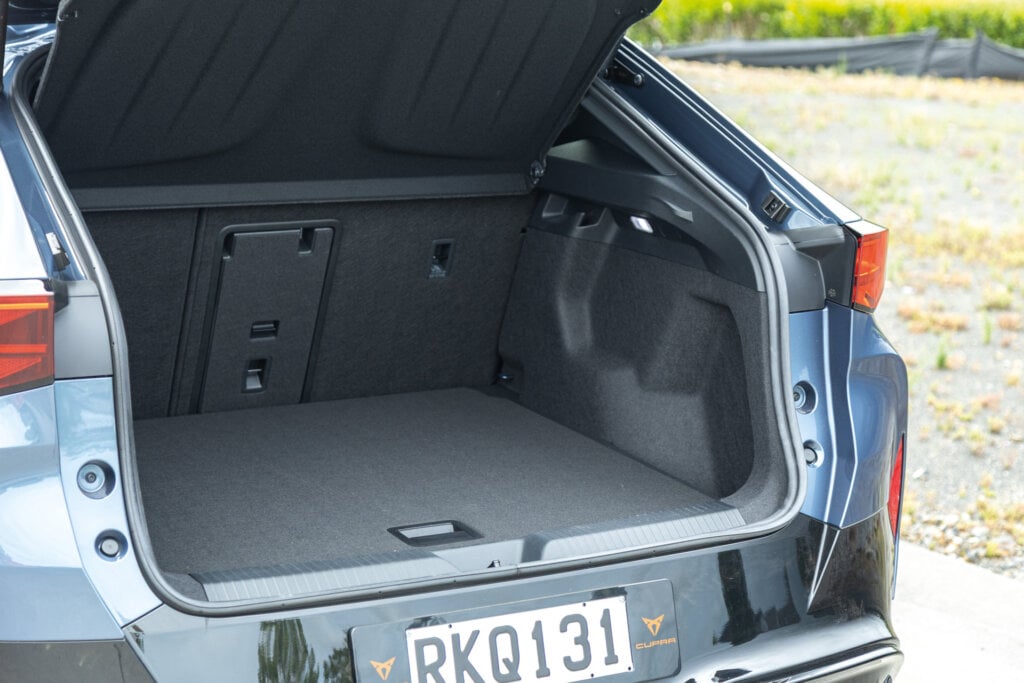
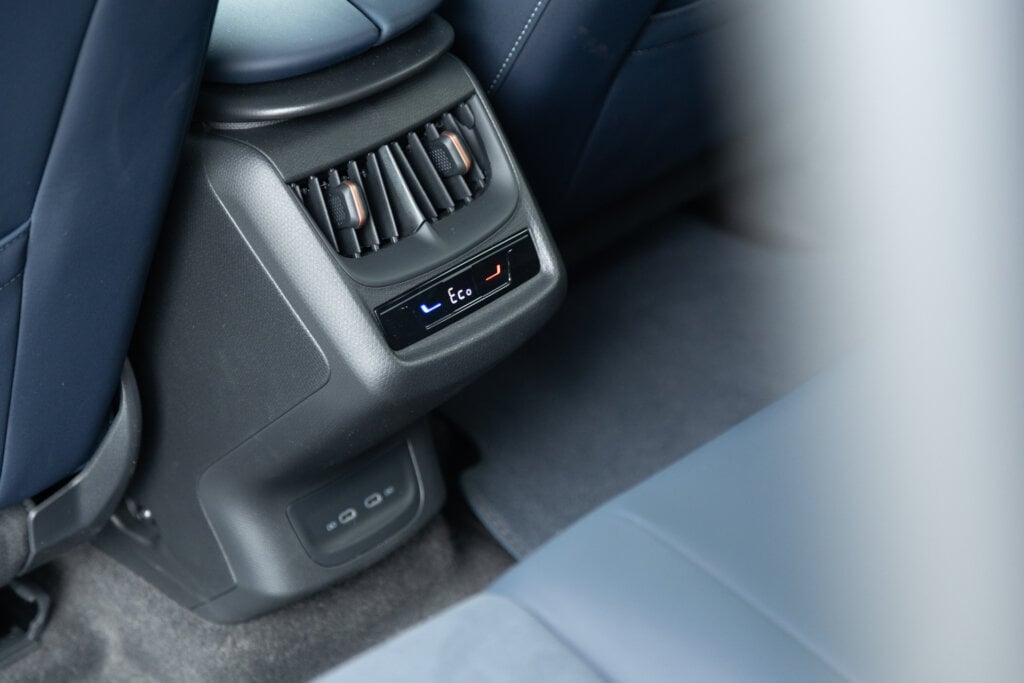
Despite its rakish profile, you could call this reasonably practical. There’s honest rear legroom, a flat floor helping, while the troops get their own aircon and a couple of USB-C ports. While the fastback tailgate negates the ultimate in load lugging (buy the Enyaq for that), there’s enough space under the cargo cover for most duties and the seats fold easily to extend the luggage area. And there is just enough under floor storage for the cables, as there is no frunk, though neither is there a spare.
Fast looking but easy as
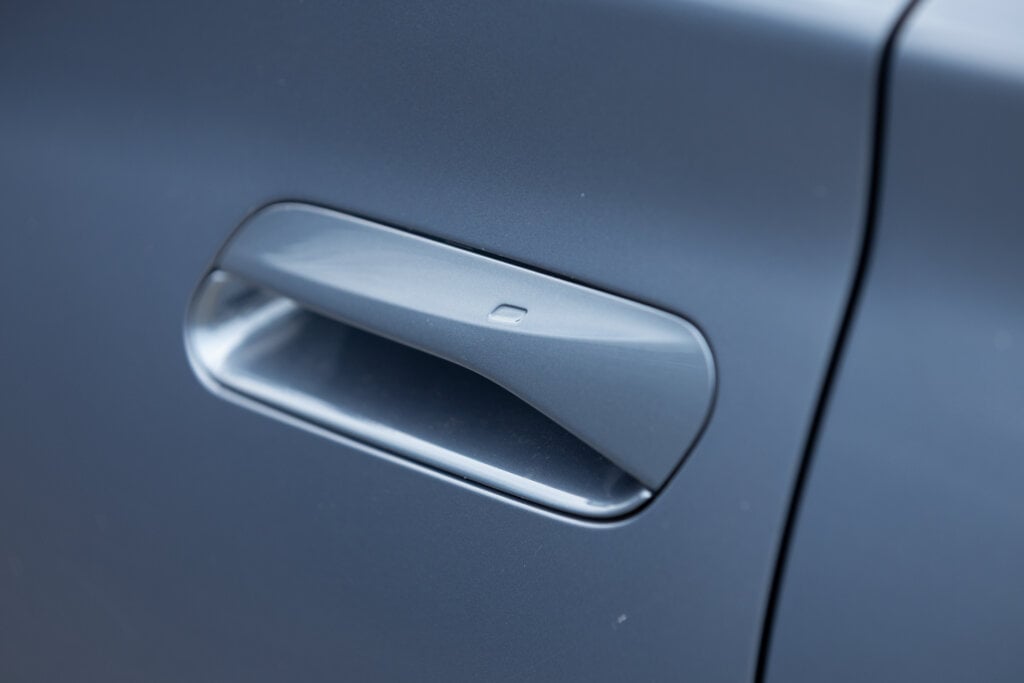
This unlocks as you approach, and the aero enhanced door handles are easy to use (not always the case these days). The Tavascan is on and ready once you’re seated. Twist the column-mounted shifter to D and you’re away. And quite briskly too. This VZ model gets two motors for a total of 250kW. The V has just the 210kW motor on the rear, though both benefit from the same 545Nm. With the extra power and traction, the VZ hits motorway speeds in 5.6s, 1.2s ahead of the V. So it’s quick enough without getting silly. Of the multiple drive modes, Comfort is of course best for city life. Here the throttle tuning is balanced, as is the nature of the adaptive dampers (exclusive to the VZ). These ensure a controlled ride, no floating and wallowing here, but are also courteous enough to deal with bumps proficiently. So power plus poise makes for a refined and easy drive. It even swallows speed bumps well. The steering is quick, the turning circle good too. The brake regen can be altered via the steering wheel paddles, from zero to quite a bit which comes in progressively but doesn’t quite bring you to a complete stop. The pedal itself is a tad soft, but not snatchy.
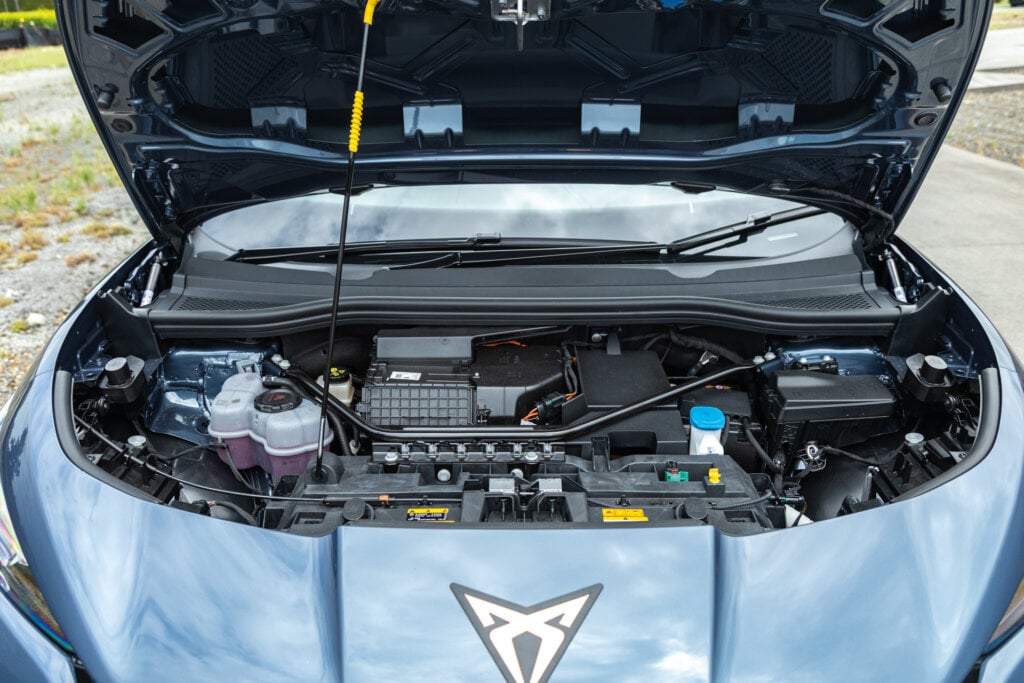
The assist systems work as intended, no incessant dinging, so none are in need of nixing. Speed recognition is missing, as is a five star crash rating as a result. It scored well for actual occupant protection however.
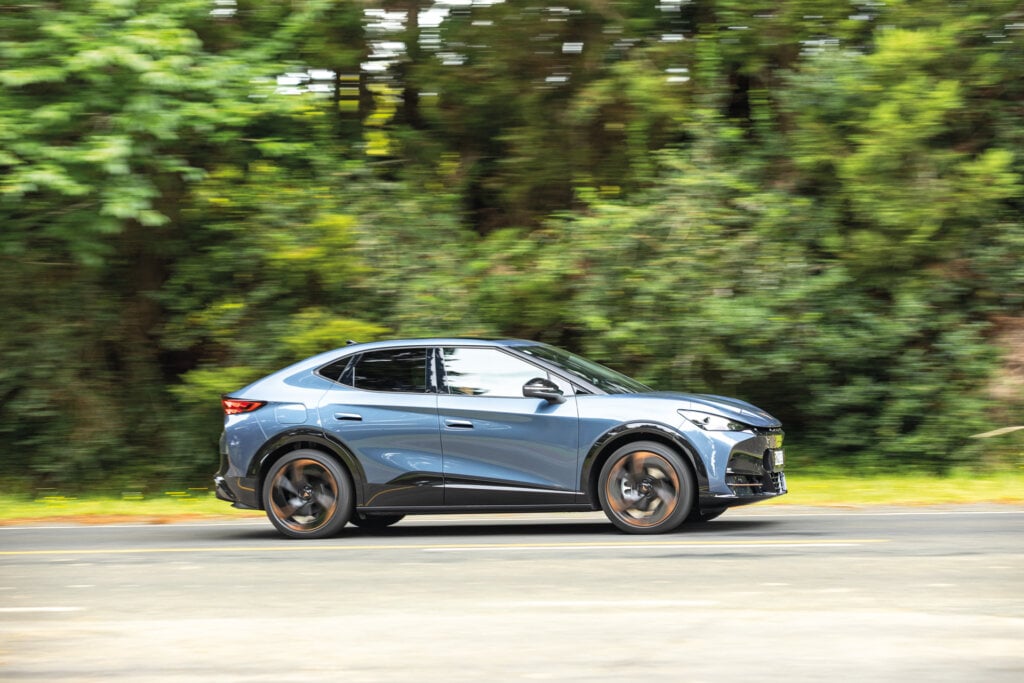
The 77kWh battery allows for a 499km range claim. It was showing 430km at 100 per cent, thanks to a long term consumption average of 16.8kWh/100km (though our’s was closer to 18kWH). Max DC charge rate they say is 135kW, while we saw 108kW during a 20min top up, which added 33kWh and 163km.
A real VZ then?
When you find a stretch of open and interesting road, click into Performance via the drive mode button hanging off the wheel. This is the Tavascan’s happy place. Max-attack Cupra mode sees the accelerator action being a tad too sharp, as is the resistance of the adaptive dampers.
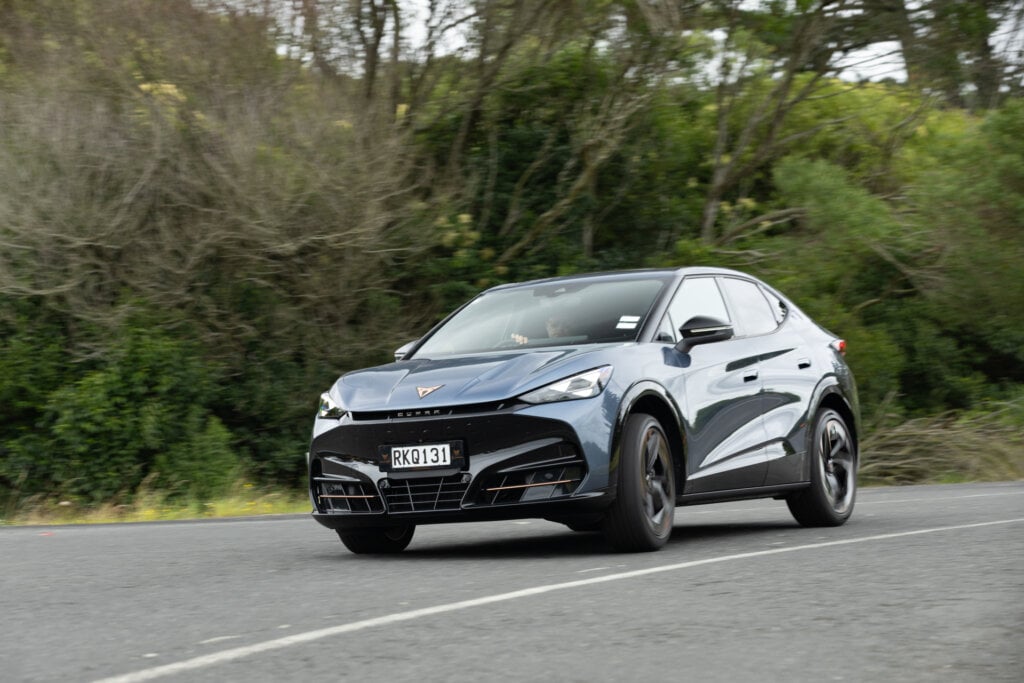
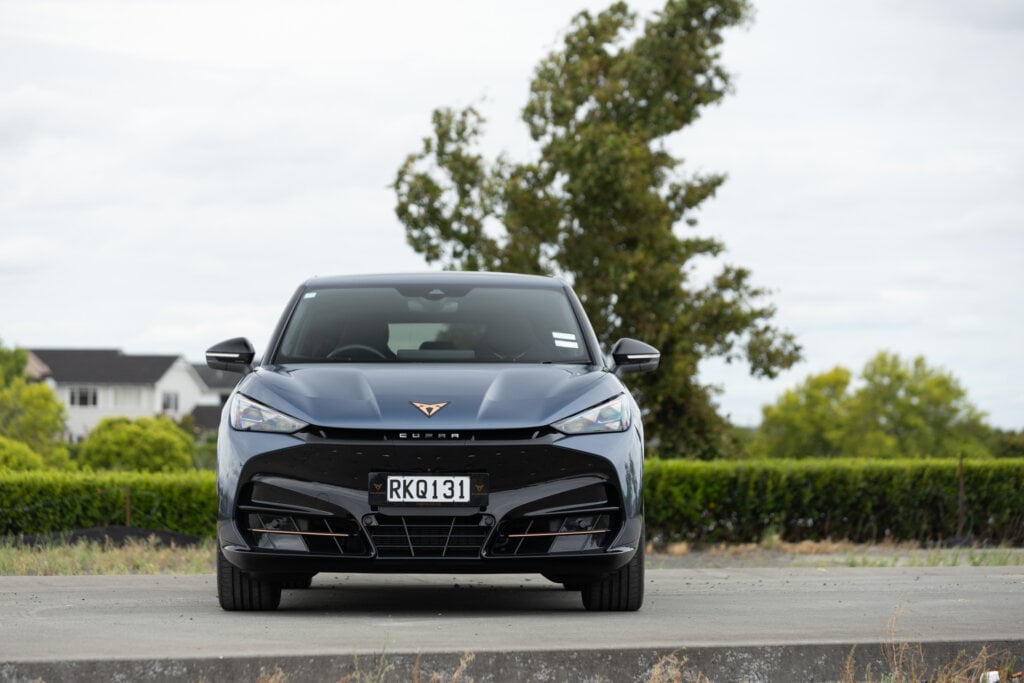
While Cupra hasn’t transformed this platform into a cornering demon, it goes alright. The VZ turns well, body control in check, but there’s a sense of digital finessing beneath it all. At 2267kg, it’s a weighty thing. While the front end has good bite, it runs out of grip mid-corner, and the stability control is obliged to rein it in. You can access an ESP Sport mode, which gives some leeway, but the result is the same.
As to the performance, it has the usual quick and instant acceleration, though it’s not the type that will strain your neck muscles. There’s also an accompanying turbine-like noise that’s mildly amusing. The brakes need more meat; you really have to lean on them to get this stopping.
Think it more of a quick and easy cruiser, using the regen paddles to slow you for the bends, and enjoy the competent and refined progress.
Pricey but
The Tavascan is not a cheap car, the V starting at $84,900, while this VZ asks another $10k. That puts it at the pricey end of the medium SUV market. Zeekr and Smart have cheaper offerings, while you can get something slightly bigger and quicker from XPeng, IM6, BYD and Tesla for less as well. Perhaps Cupra buyers will be more likely to compare it with iX2, EQA and Q4 maybe. Meanwhile, VW has its ID.4 and ID.5 GTX here at a compelling $77k.
It’s an extremely competitive EV segment, where lots of models compete for a small slice of the overall market. If you like the look of the Tavascan, we’d recommend the V; much the same for a handy amount less.
Cupra Tavascan VZ
$94,990 / 16.8kWh/100km / 0g/km
0-100 km/h 5.6s
Ambient cabin noise 72.9dB@100km/h
Motor output 250kW
Max torque 545Nm
Battery 82.0kWh
Range 499km
Drivetrain Single-speed auto / e-AWD
Front suspension Mac strut / swaybar
Rear suspension Multilink / swaybar
Turning circle 10.2m (2.2 turns)
Front brakes Ventilated discs
Rear brakes Drum
Stability systems ABS, ESP, TV
Safety AEB, ACC, BSM, LDW, RCTA, ALK, AHB
Tyre size f/r-255/40R21
Wheelbase 2766mm
L/W/H 4644 / 1861 / 1597mm
Track f-1590mm r-1567mm
Luggage capacity 540L
Tow rating 750kg (1200kg Braked)
Service intervals 12months/15,000km
Scheduled servicing 3yrs / 45,000km
Warranty 5yrs / 100,000 km
ANCAP rating ★★★★☆ (2024)
Weight (claimed) 2267kg