View all
BMW 320i vs. BMW 320d: Choosing Your Ultimate Driving Machine
Words: AutoTrader NZ
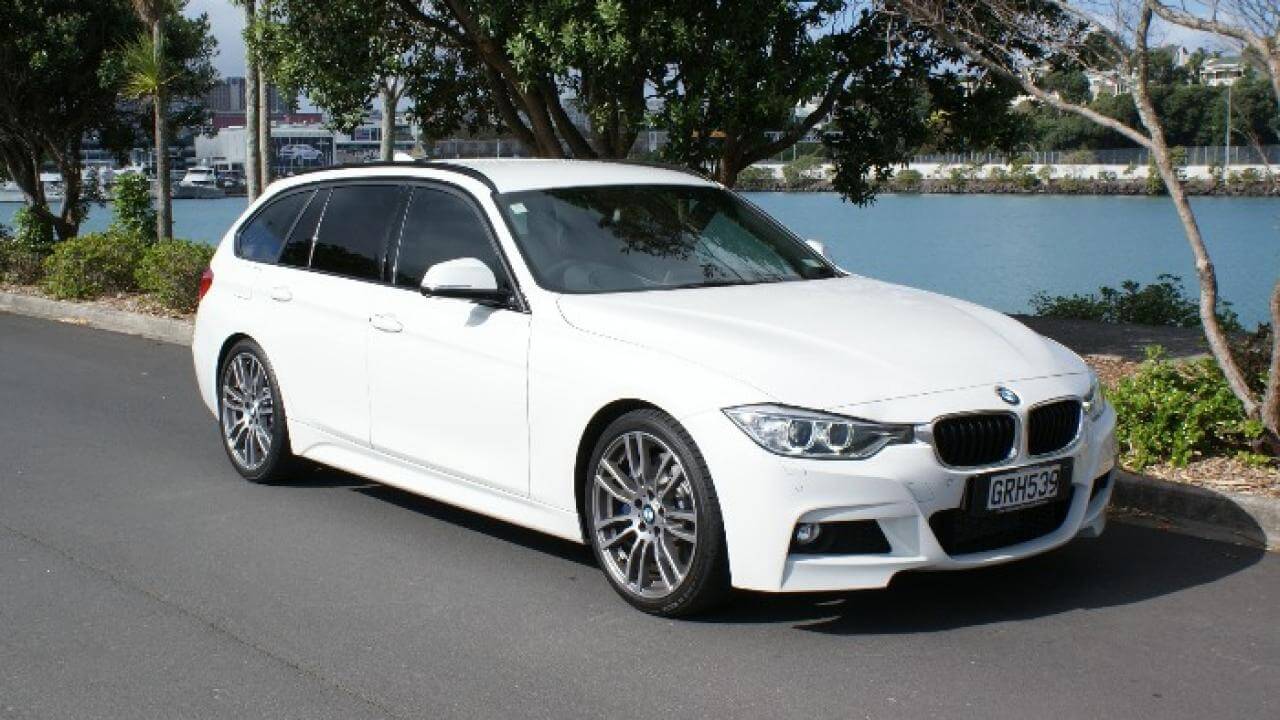
When it comes to choosing between the BMW 320i and the 320d, car enthusiasts and potential buyers face a challenging decision. Both models are stellar representations of BMW‘s commitment to luxury, performance, and technology, but they cater to slightly different needs and preferences. In this post, we’ll dive deep into the performance, fuel efficiency, cost of ownership, and overall driving experience of each model to help you decide which one is your ultimate driving machine.
Cost of Ownership
BMW 320i: Generally, petrol engines like the one in the 320i tend to have lower maintenance costs compared to diesel engines. This can be a crucial factor for buyers concerned about long-term ownership costs. Additionally, the initial purchase price might be slightly lower than that of the 320d.
BMW 320d: While the 320d might have higher maintenance costs and a higher initial purchase price, its superior fuel efficiency can offset these costs over time, especially for high-mileage drivers. Furthermore, the resale value of diesel models often remains robust, thanks to their popularity and durability.
Driving Experience
Both models offer excellent driving dynamics, typical of BMW’s 3 Series lineup. The 320i provides a slightly softer and more comfortable ride, ideal for everyday commuting. Meanwhile, the 320d offers a sportier feel with its impressive torque and quick response, appealing to those who enjoy a more dynamic driving experience.
| Feature | BMW 320i | BMW 320d |
|---|---|---|
| Engine Type | 2.0-liter four-cylinder turbocharged petrol | 2.0-liter four-cylinder turbocharged diesel |
| Power | 184 horsepower | 190 horsepower |
| Torque | 300 Nm | 400 Nm |
| 0-100 km/h | Approx. 7.1 seconds | Approx. 7.2 seconds |
| Top Speed | 235 km/h | 240 km/h |
| Fuel Efficiency | 6.3 – 6.5 liters/100 km (combined cycle) | 4.5 – 4.8 liters/100 km (combined cycle) |
| Emissions (CO2) | Higher due to petrol combustion | Lower, diesel engines are often more efficient |
| Annual Tax | Road user charges generally not applied to petrol vehicles | Road user charges apply, affecting overall annual costs |
| Maintenance Costs | Generally lower (less complex engine, cheaper parts) | Generally higher (more complex engine, expensive parts) |
| Driving Experience | Smooth and responsive, suited for city and short drives | Strong torque, responsive, better for long drives and mountainous terrains |
| Initial Cost | Slightly lower than 320d | Slightly higher due to advanced engine technology |
| Resale Value | Generally good, slightly lower than 320d | Generally higher, retains value well due to demand |
| Fuel Availability | Petrol widely available | Diesel also widely available, but fewer diesel cars in urban areas |
| Preference | Preferred by urban drivers for lower initial cost and smooth operation | Favored by those who travel longer distances or seek better economy |
Conclusion
The choice between the BMW 320i and the 320d ultimately depends on your driving needs and preferences. If you prioritize a quieter, slightly faster car for city driving and short distances, the 320i is an excellent choice. However, if you’re looking for efficiency and robust performance, particularly over long distances, the 320d may be the better option.
Both cars uphold the prestige and performance of the BMW brand, making them both fantastic choices for anyone looking to own a piece of “The Ultimate Driving Machine.”