Audi reconsiders future of five-cylinder engine
Words: Kyle Cassidy
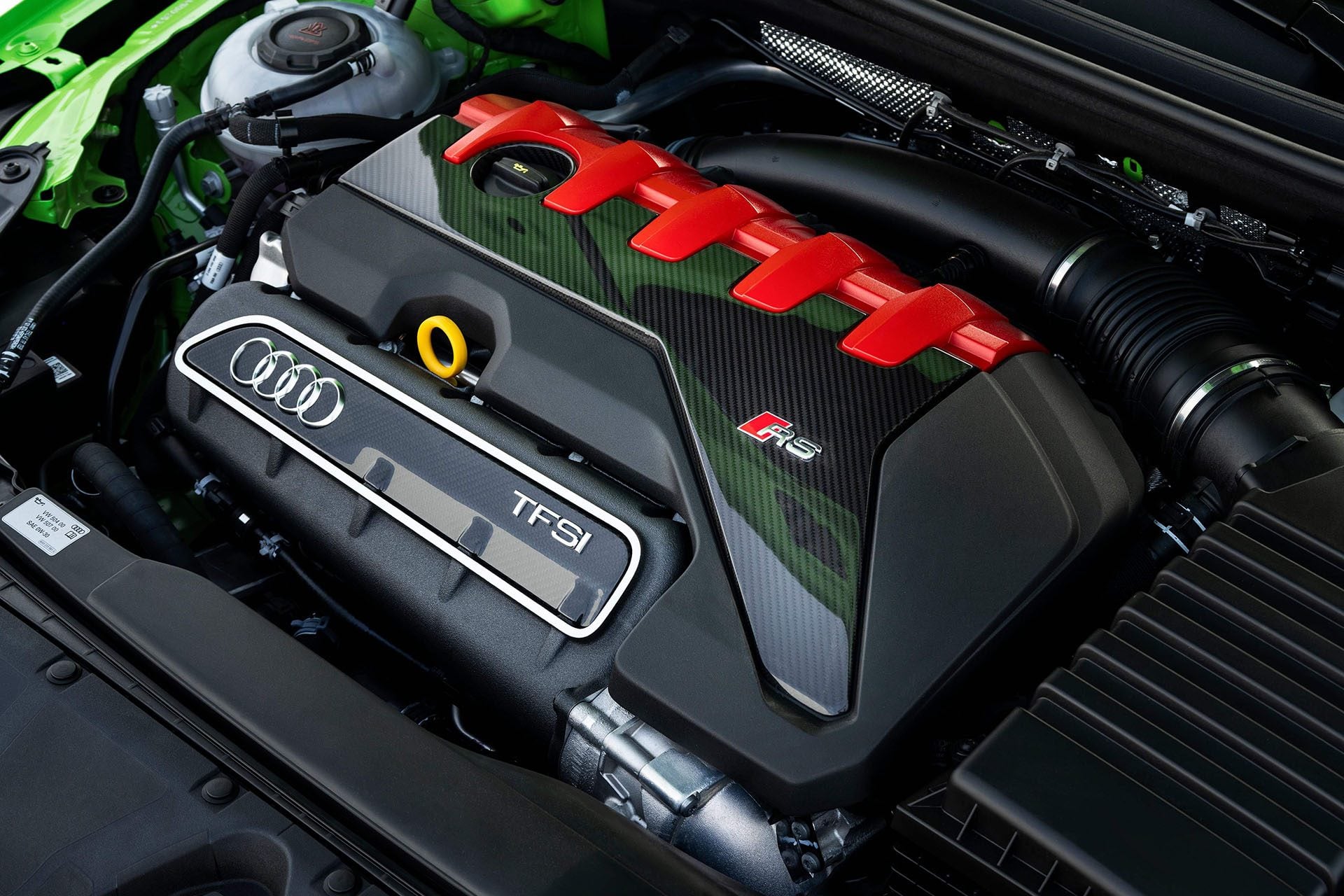
Audi’s turbocharged five-cylinder engine may not be finished after all, with the company continuing to assess whether it can justify developing the distinctive powerplant for another generation.
The 2.5-litre TFSI is currently used only in the RS 3, following the demise of the TT RS and five-cylinder RS Q3. Its future has looked uncertain as tougher European emissions rules approach, but Audi Sport boss Rolf Michl says no final decision has been made.
“We’re well aware about the historical meaning of the five-cylinder,” Michl told Autocar UK, adding that “evaluations are still running”.
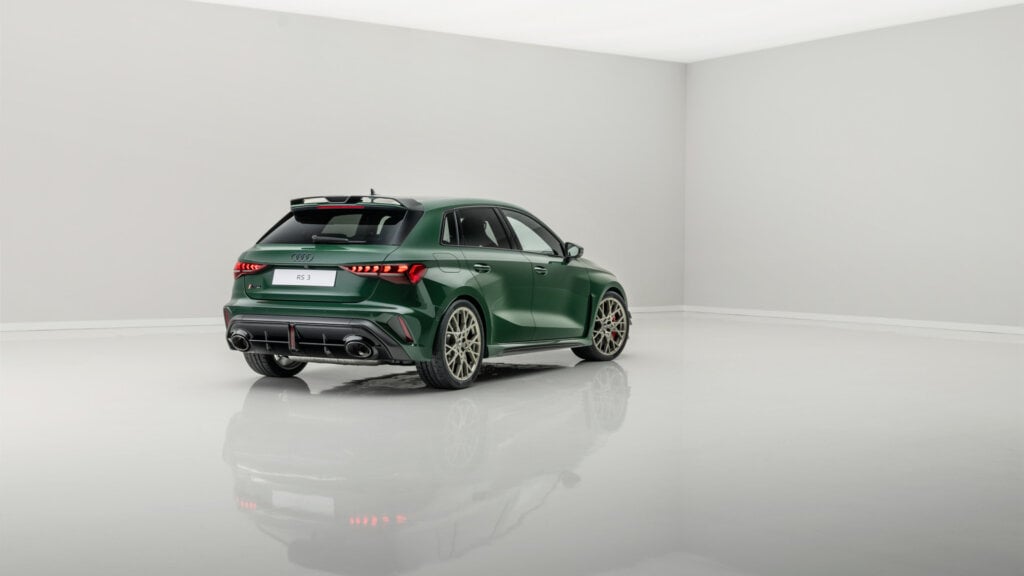
Read more – 2026 Audi RS 3 Sedan Review
Michl also described the engine as “so characteristic” and “deeply rooted in history”. He has a personal connection with the powerplant, having worked on all three generations of the RS 3.
Euro 7 remains the problem
The latest comments represent a shift from Audi’s position in 2025, when chief executive Gernot Döllner indicated that the investment required to make the 2.5 TFSI comply with Euro 7 emissions standards could not be justified.
Updating the engine is technically possible. The difficulty is recovering the development costs when it powers only one relatively low-volume model.
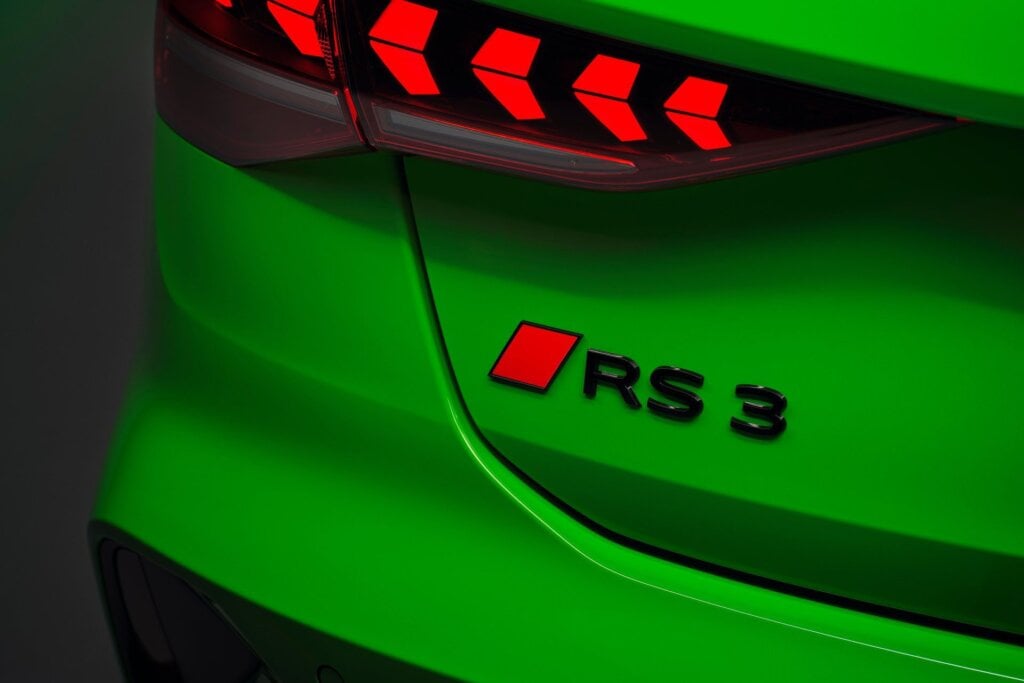
European production of the five-cylinder RS 3 is currently expected to finish by the middle of 2027, ahead of another stage of Euro 7 requirements coming into effect.
However, Audi has confirmed the RS 3 will continue to be produced for markets outside Europe where emissions regulations allow it. How long that arrangement will continue remains unclear.
More models could improve its chances
Using the engine in additional vehicles would make further investment easier to justify by spreading the cost across a larger production run.
Volkswagen reportedly wanted to use the 2.5 TFSI in the Golf R in 2020, but Audi was said to have blocked the plan at the time. The engine has since been shared with Cupra for the limited-production Formentor VZ5.
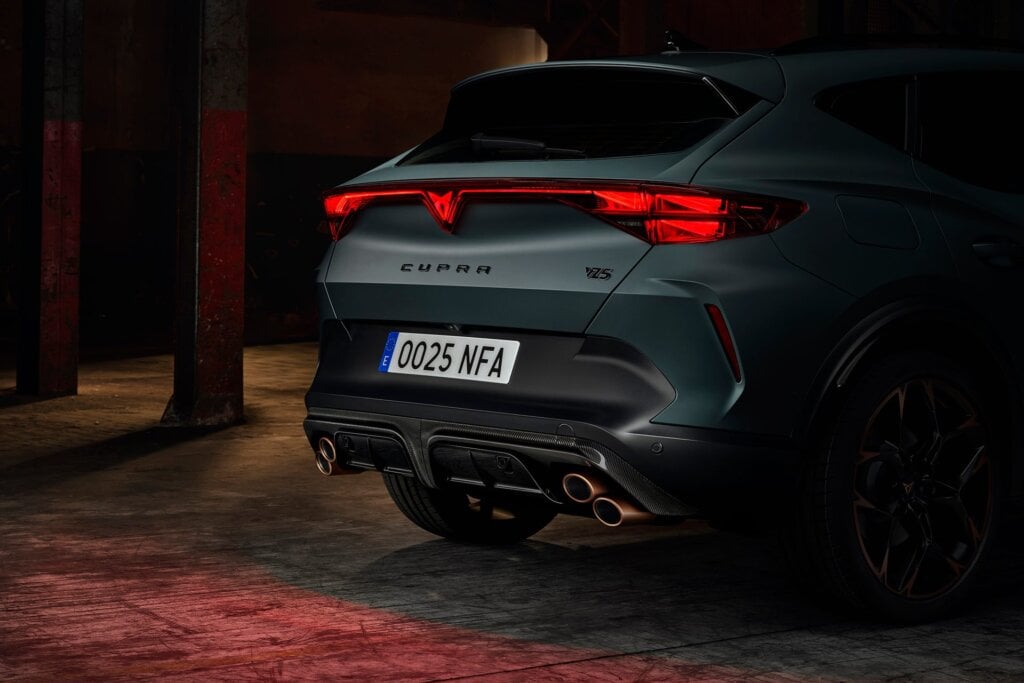
Rumours suggest Volkswagen could revisit the idea for the R performance brand’s 25th anniversary in 2027. However, neither Volkswagen nor Audi has confirmed a five-cylinder Golf R.
Hybrid assistance is another potential route to meeting future emissions requirements, although that would increase the complexity, weight and cost of the powertrain.
Audi’s upcoming Concept C-derived sports car won’t provide a home for the engine either. The compact targa is being developed exclusively as an electric vehicle.
A distinctive part of Audi history
The five-cylinder layout has been associated with Audi since the 1970s and became particularly famous through the company’s quattro rally cars.
Its unusual firing order produces a distinctive exhaust note, while the compact design allows it to deliver more character and performance than a conventional four-cylinder without taking up as much space as a six-cylinder.
The current RS3’s 2.5 TFSI remains one of the few five-cylinder petrol engines in production.
Audi has not committed to developing a Euro 7 version or using the engine in the next RS 3. However, the fact that Audi Sport is still evaluating its options makes its survival considerably more plausible than it appeared in 2025.