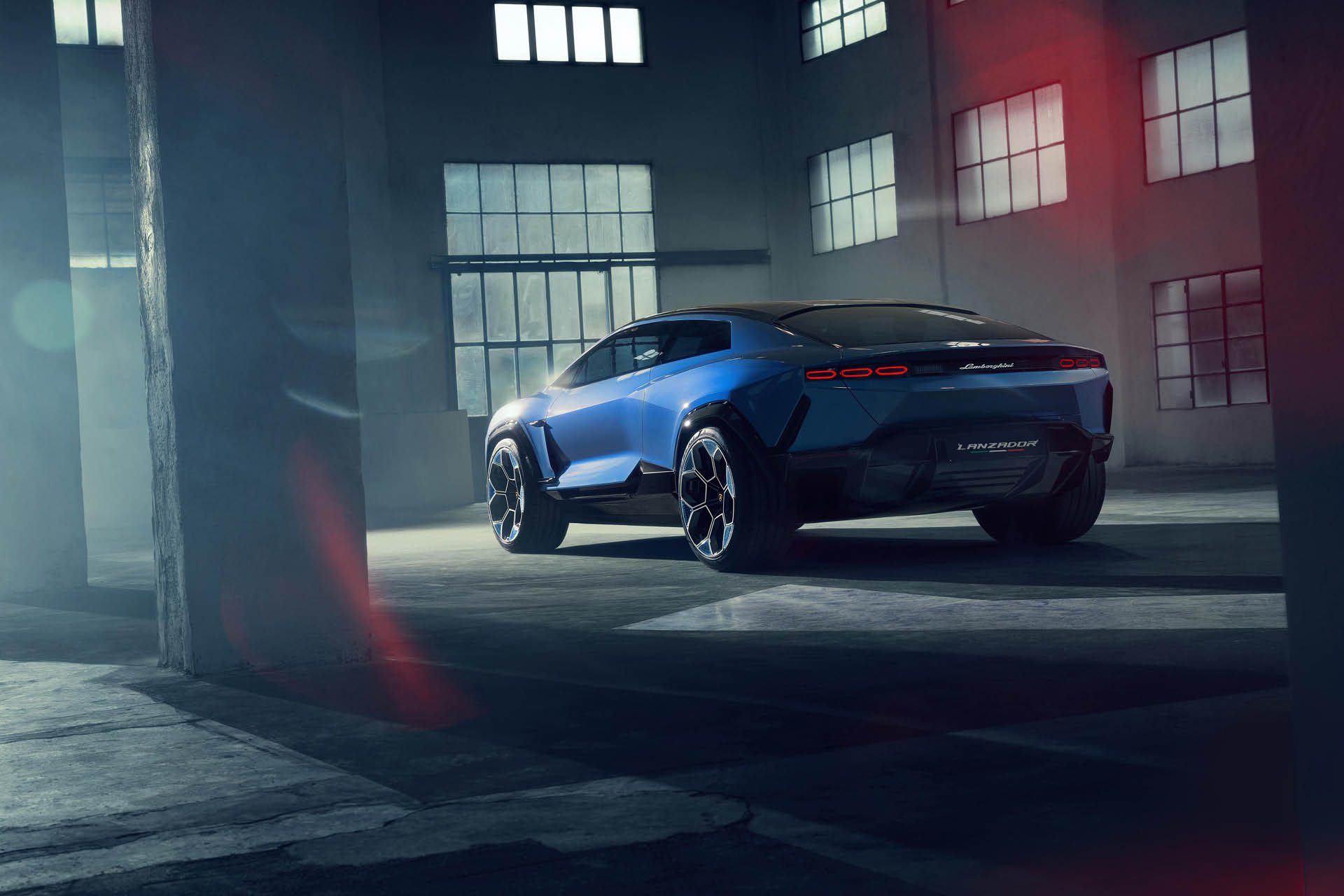
Lamborghini EV on hold for now while hardcore models are incoming
Words: Kyle Cassidy
Lamborghini has reaffirmed its commitment to launching an electric vehicle, but not until after 2030, as the brand recalibrates its electrification strategy to better align with customer expectations.
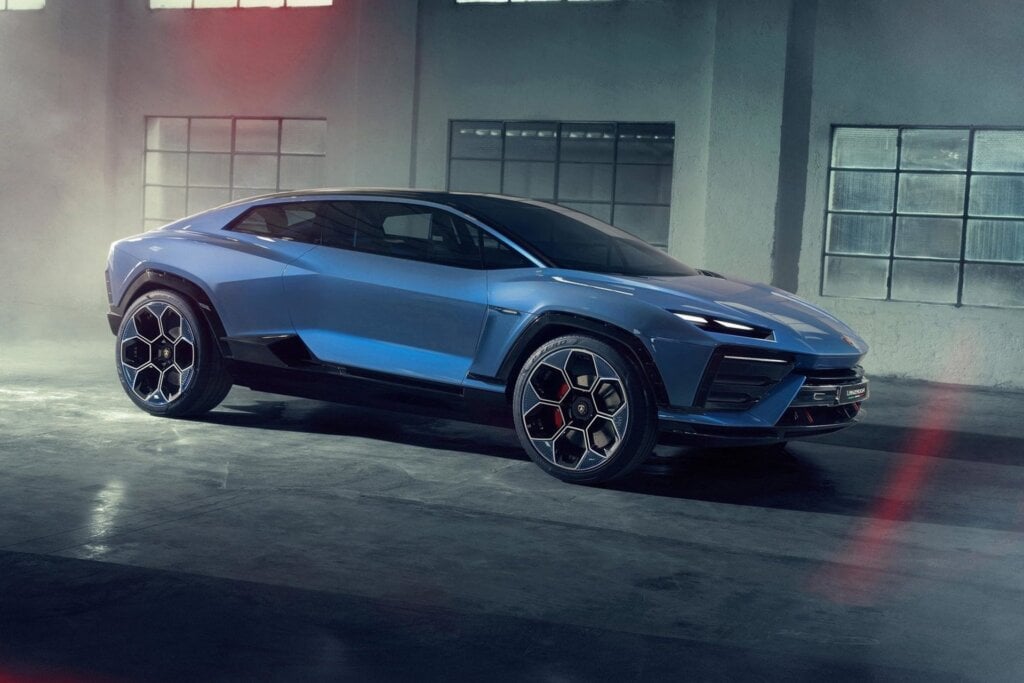
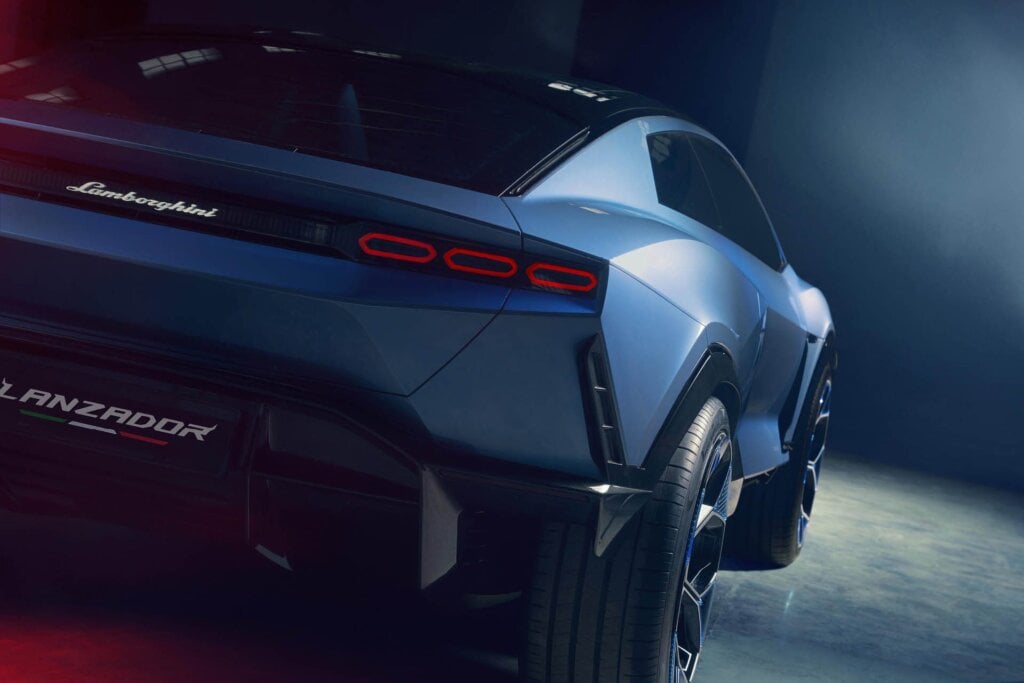
The Italian marque had previously been targeting the end of the decade for its first EV, previewed by the Lamborghini Lanzador concept. However, that model will now arrive as a plug-in hybrid instead of a fully electric car, reflecting softer-than-expected demand for high-end EVs.
CEO Stephan Winkelmann clarified recent comments suggesting electric development was “an expensive hobby” for niche manufacturers, saying the remark had been taken out of context and did not signal a retreat from EV plans.
Instead, Lamborghini is pushing back its EV timeline while continuing development behind the scenes, with a strong focus on delivering the emotional appeal that defines the brand.
“The new timeframe is, for sure, after 2030,” Winkelmann said, noting the company will closely monitor how luxury buyers respond to electric vehicles in the coming years.
A key challenge for Lamborghini will be ensuring its first EV delivers the same visceral experience as its combustion-engined cars — something Winkelmann acknowledged is difficult to quantify.
He said the brand is studying how to make electric cars “emotional”, particularly as resistance to full EVs appears to be growing among traditional supercar buyers.
“You don’t buy a Lamborghini because you want to move from A to B,” he said. “It’s about fulfilling a dream and exceeding expectations.”
The strategic shift comes despite strong global sales. Lamborghini delivered a record 10,747 vehicles last year, generating €3.2 billion in revenue. However, profits dipped by 8.3 percent, impacted by factors including US tariffs, currency fluctuations and the cost of revising its product roadmap.
In the meantime, Lamborghini is pressing ahead with an aggressive rollout of new models to expand its recently electrified line-up.
Four new vehicles are due to be revealed across 2026 at major global events, including launches at Imola, the Goodwood Festival of Speed, Pebble Beach and Art Basel Miami.
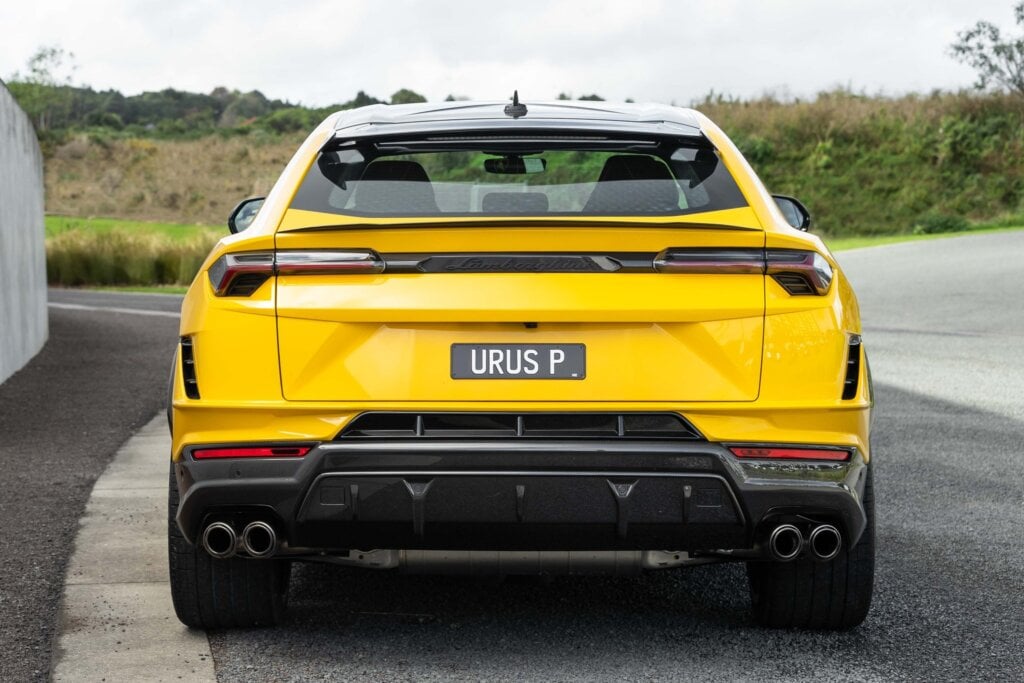
These additions will form part of the next phase of Lamborghini’s product strategy, focusing on derivative models and special editions spun off its existing range. Previous examples include high-performance and niche variants such as the Lamborghini Huracán Sterrato, the Lamborghini Aventador SVJ and the Lamborghini Urus Performante.
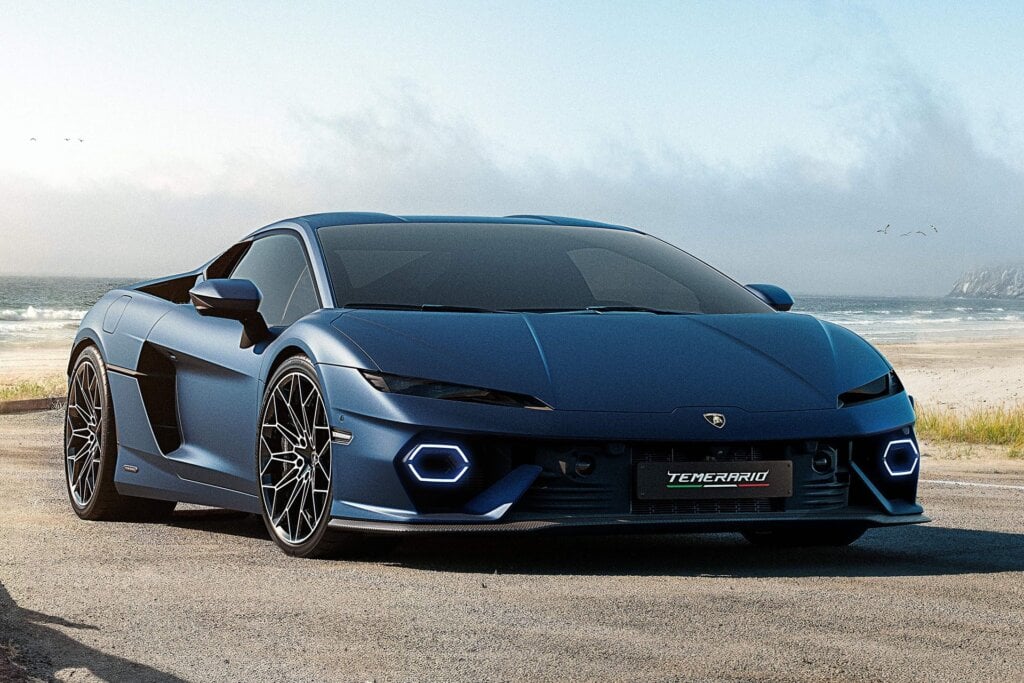
While details remain under wraps, Winkelmann confirmed the upcoming models will span four different body styles, likely including new variants of the brand’s latest supercars and SUV, alongside a more exclusive, low-volume halo model.
For now, Lamborghini’s approach signals a more cautious transition to electrification — one that prioritises brand identity and customer emotion over speed to market.