Volvo plans 13 new models and the return of more buttons in the cabin
Words: Kyle Cassidy
Volvo is preparing to overhaul its line-up with 13 new models by the end of 2030, while promising a rethink of interiors that have become increasingly dependent on touchscreens.
A concept marking the Swedish brand’s centenary in 2027 will preview its next design direction. Alongside a new exterior look, it will signal a better balance between digital displays and physical controls.
Volvo’s wider strategy will split development between Western markets and China, with different vehicles and technology tailored to each region.
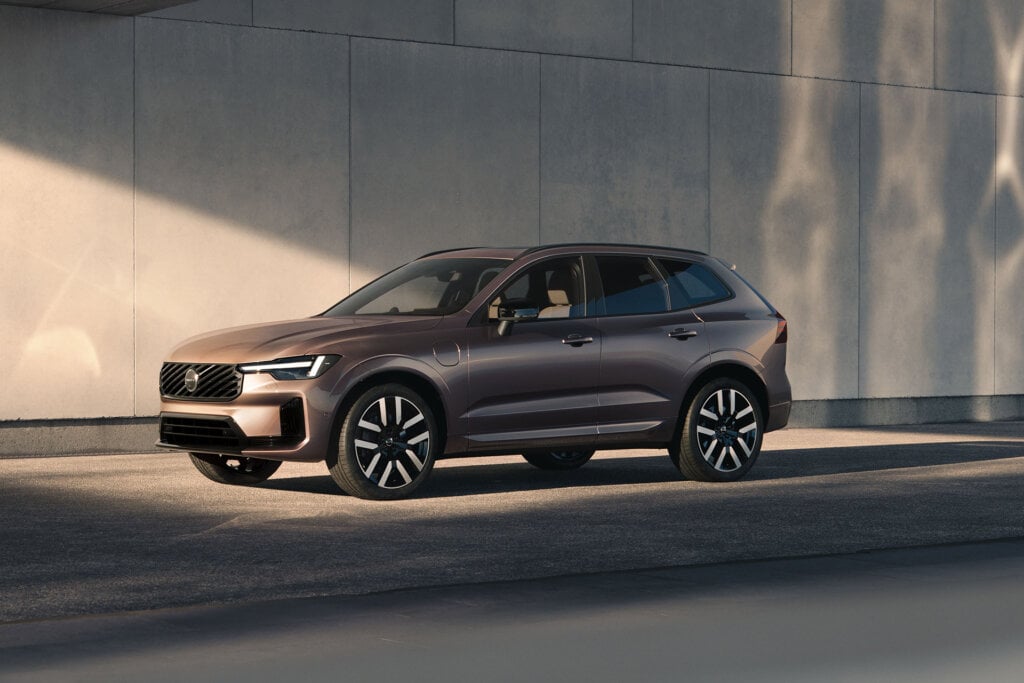
Design chief Thomas Ingenlath, who returned to Volvo earlier this year after leading Polestar, says the industry needs to respond to criticism of screen-heavy cabins.
“The over-emphasis of screens and the interaction with the screens is something customers and journalists heavily criticise, and we have to aim for a better harmony, a better balance between the interaction that we have with our digital device and the physical interaction.”
That is a notable shift from a designer who championed minimalist interiors at Polestar, where many functions migrated to the central display.
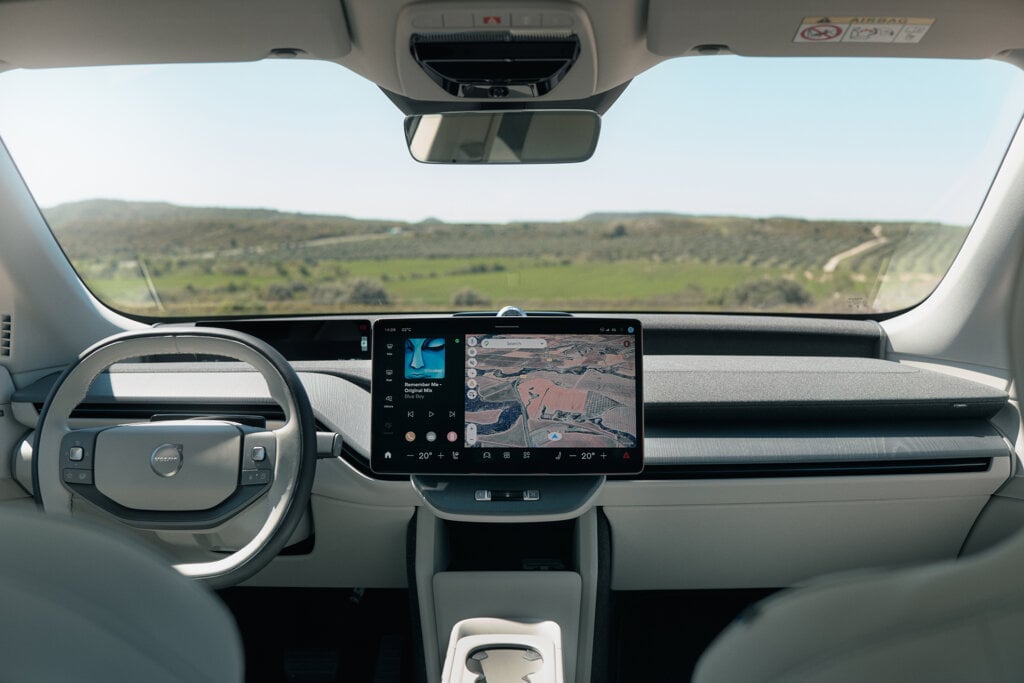
However, Ingenlath isn’t proposing a dashboard crowded with switches. Using a Leica camera as an example of satisfying physical operation, he says the aim is to put controls where they make sense.
“My dogma is any function you display all the time on the screen should not be on the screen. The screen is about flexibility and displaying what you don’t need to display all the time.”
Touchscreens will remain, but drivers can expect more buttons than in today’s Volvos.
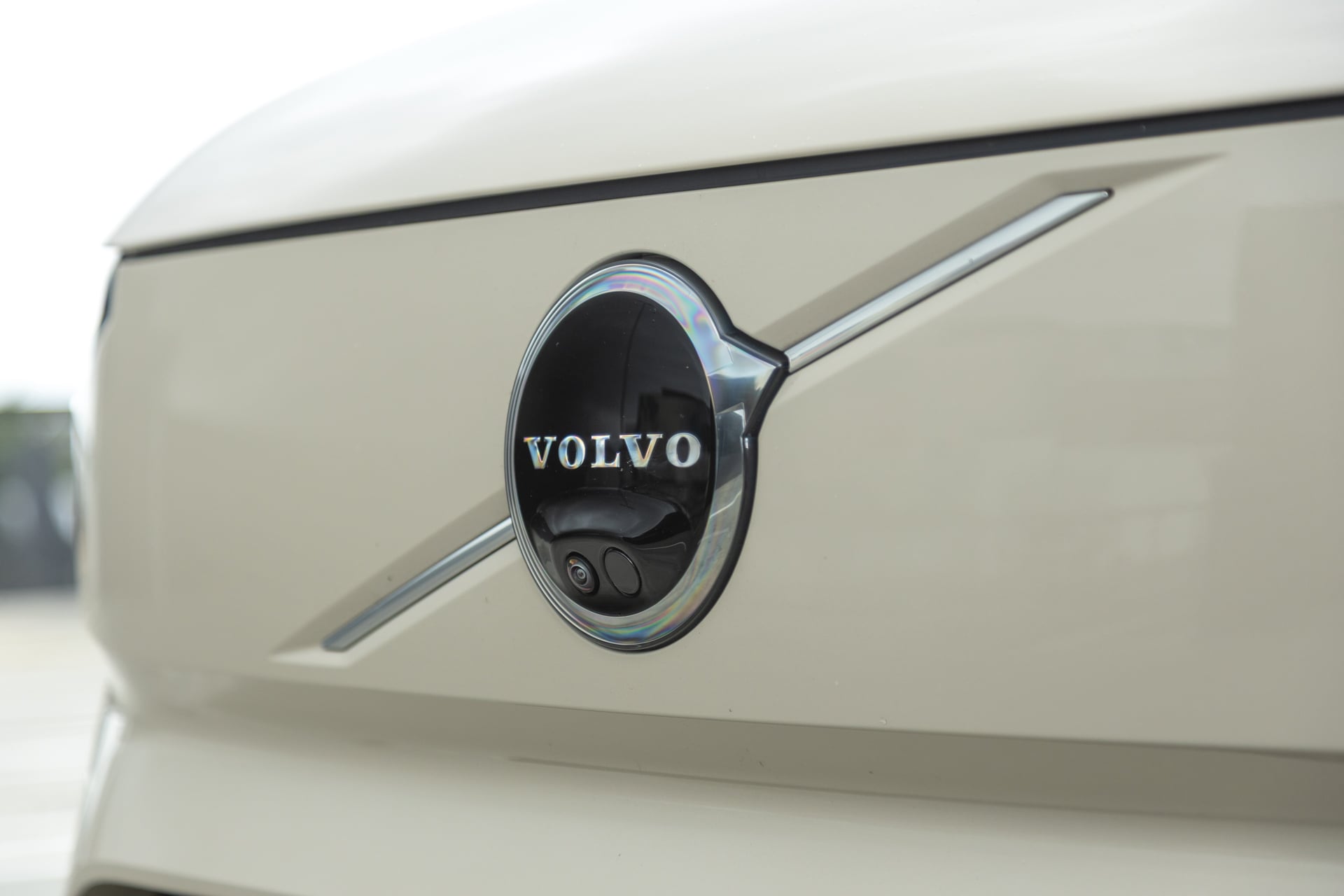
The exterior rethink will also draw on familiar elements. Ingenlath highlighted Volvo’s iron mark badge, diagonal grille slash and the framing around them as features that make the brand recognisable. The 2027 concept will provide the first indication of how those cues might evolve.
Beyond design, Volvo is planning what it describes as the largest range expansion in its history.
Seven new models are earmarked for Western markets, using its SPA2 and SPA3 architectures and HuginCore computing system. SPA2 currently underpins the EX90 SUV and ES90 saloon, while SPA3 forms the basis of the EX60.
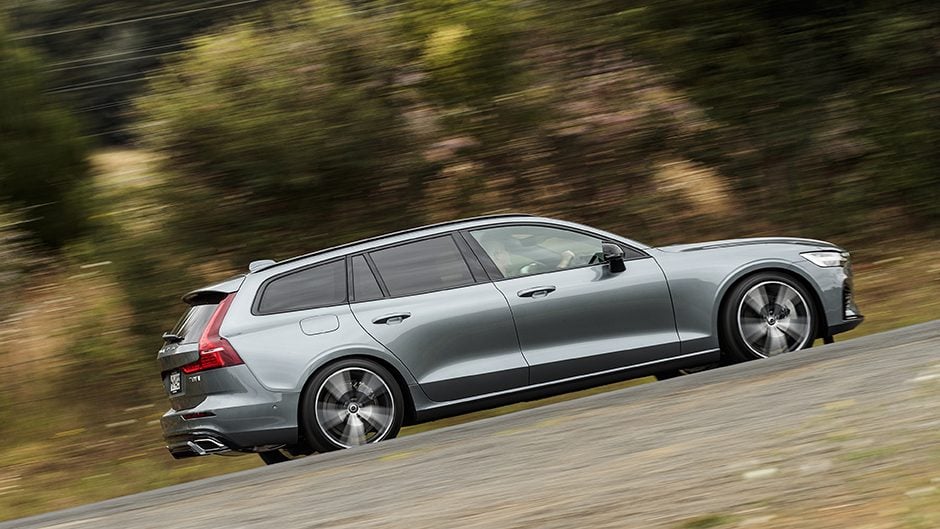
The Western programme will include vehicles focused on the US, among them a D-segment electric SUV, alongside models aimed at Europe.
Volvo says its European electric range will include both high- and low-bodied vehicles. That points to saloons and estates joining the SUVs, potentially giving buyers more choice beyond the body style that has come to dominate the brand’s line-up.
Hybrids will remain part of the plan. Technology chief Alexander Petrofski says differing rates of EV adoption mean individual models will be offered with battery-electric, plug-in hybrid and conventional hybrid propulsion.
Volvo is also investing in a third-generation hybrid system for customers who aren’t ready to go fully electric, while aiming to double its share of the battery-electric market.
Read more – Volvo XC60 & XC90 PHEVs gain bigger batteries for more engine-off range
A further six models will be developed specifically for China in collaboration with parent company Geely. These will use shared platforms and dedicated Chinese technology, building on the regional approach already taken with the China-only EM90 people mover.
Volvo cites trade tariffs, technology restrictions and differing customer preferences as reasons for the split. That could extend to cabin design, with Ingenlath suggesting Chinese-market models may retain a stronger emphasis on screens.
Chief executive Håkan Samuelsson says Volvo’s “showrooms will look very different in 2030”.
The company also plans more transparent pricing and a selection of vehicles configured for faster delivery. By using existing architectures for its new models, Volvo expects to reduce development investment as it pursues growth and an operating margin above eight per cent.