View all
4 more images
BYD Sealion 8 first drive: plugged into luxury
Words: Andrew Sluys
BYD is a brand with no shortage of momentum. From its humble beginnings in 2022 with the Atto 3 SUV, the brand has kept a steady stream of new vehicles coming into the country. And while there was an assumption at the start that BYD’s offerings would be exclusively electric, this has been since disproven with its varied local line-up.
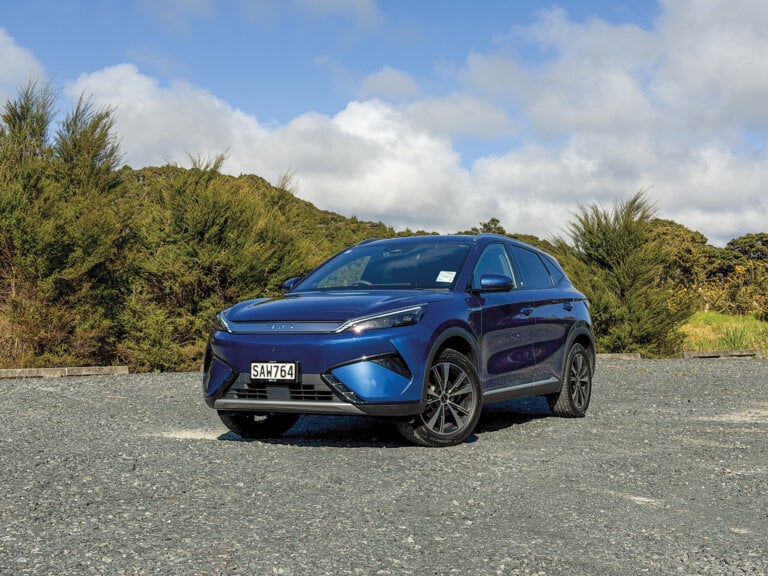
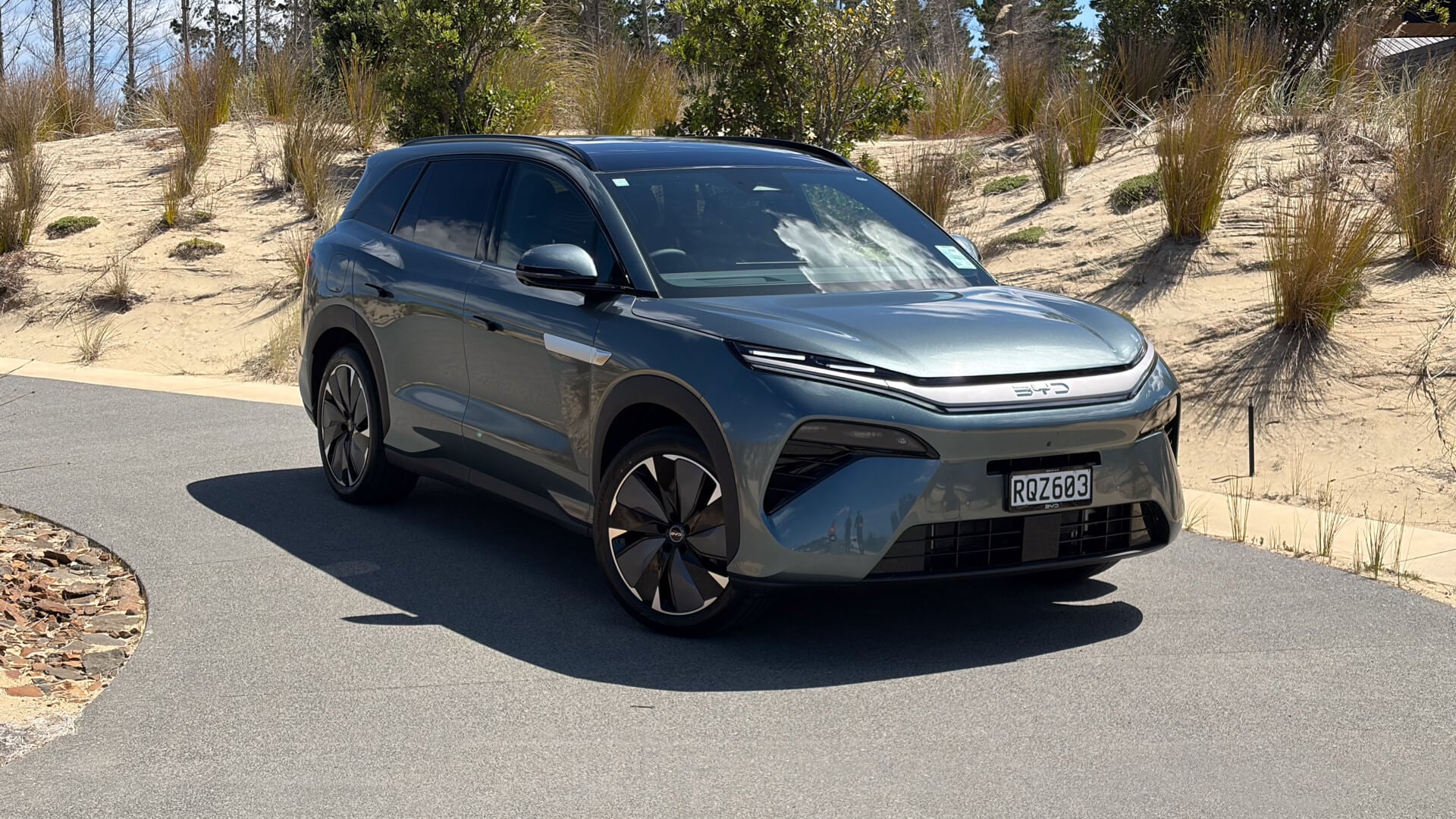
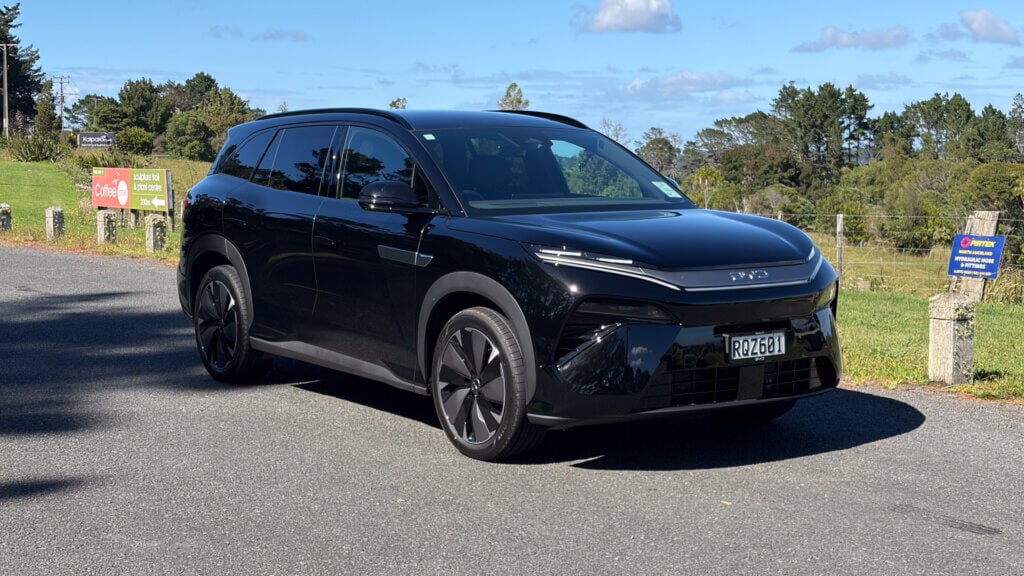
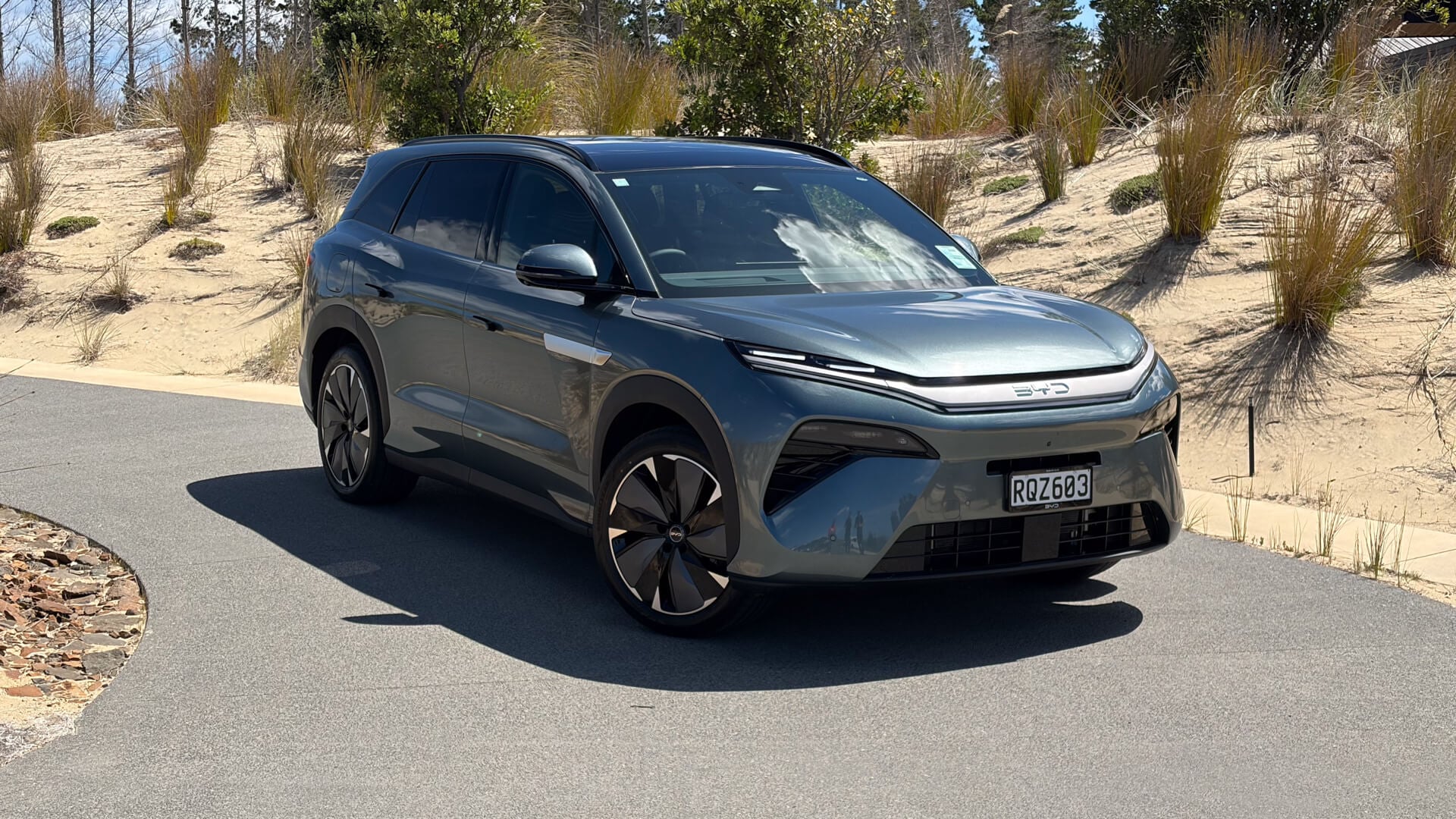
The most recent addition comes in the form of the Sealion 8 SUV, which now represents the brand’s flagship offering in New Zealand.
Starting at $74,990, BYD New Zealand touts the Sealion 8 as an SUV that offers “Seven Seat Luxury”, and I can’t disagree with that.
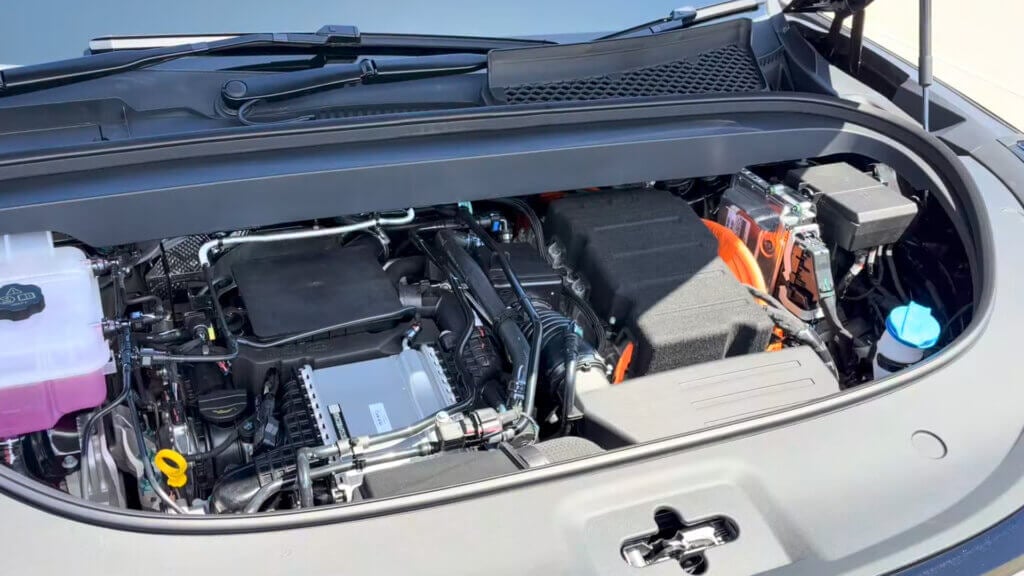
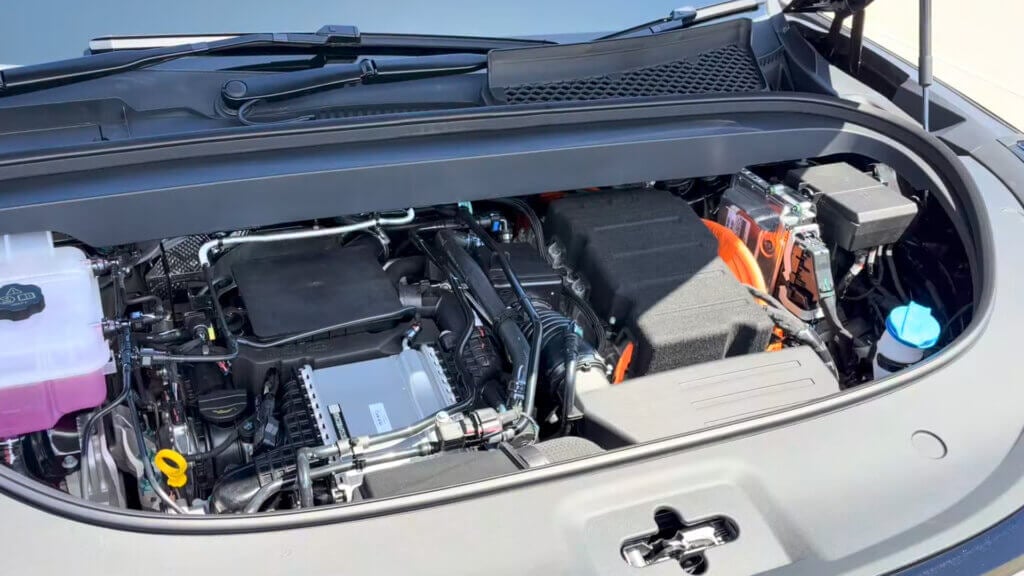
As a plug-in hybrid SUV, a 1.5-litre turbocharged four-cylinder petrol engine is standard across the range. This produces 115kW and 225Nm of torque.
In the entry-level Dynamic FWD model, this engine is paired with an electric motor that makes 205kW/315Nm. It also gets a 19kWh battery, providing up to 103km of driving range according to NEDC testing. It can be charged at up to 11kW AC or 40kW DC.
Next in the Sealion 8 range is the Dynamic AWD Dm-p at $83,990.
With an additional electric motor on the rear axle, peak outputs for this model sit at 359kW and 675Nm. This is enough to achieve a 0-100km/h time of 4.9-seconds.
Aside from adding a rear electric motor to provide an all-wheel drive system, it also gets a 35.6kWh battery, allowing for an electric range of 152km (NEDC).
While the maximum 11kW AC charging rate remains the same, this larger battery can be DC charged at a maximum rate of 74kW.
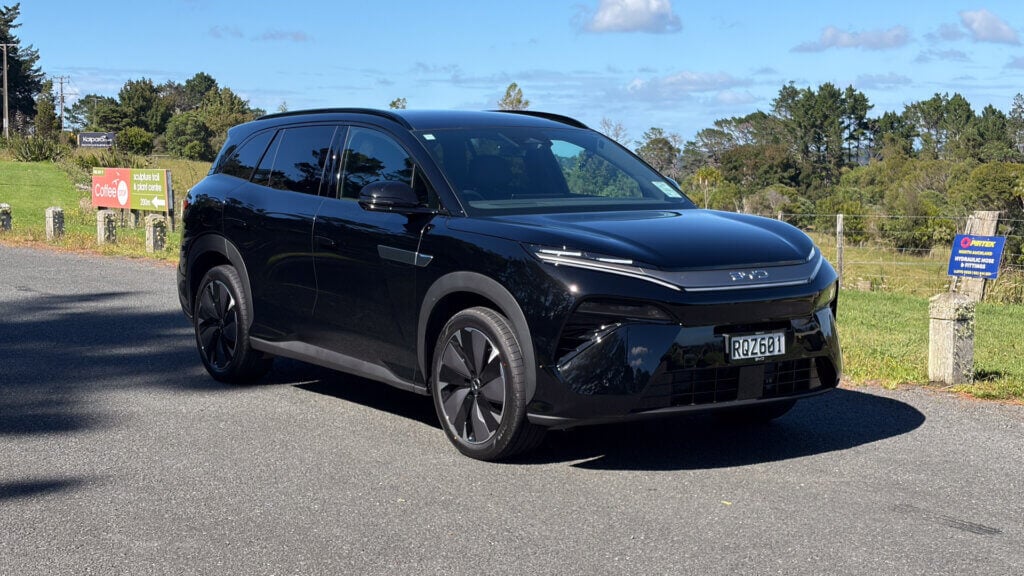
At the top of the local Sealion 8 range is the Premium AWD Dm-p, which starts at $91,990.
This model makes use of the same powertrain as the Dynamic AWD model, but adds a few creature comforts for good measure.
For our time in the Sealion 8 during the local launch, we opted for the range-topping Premium AWD Dm-p, to see just how luxurious BYD’s flagship offering is.
An Impressive Interior
The point in time when we question something’s quality due to its Chinese origins is long gone, and this Sealion 8 is a perfect example of this.
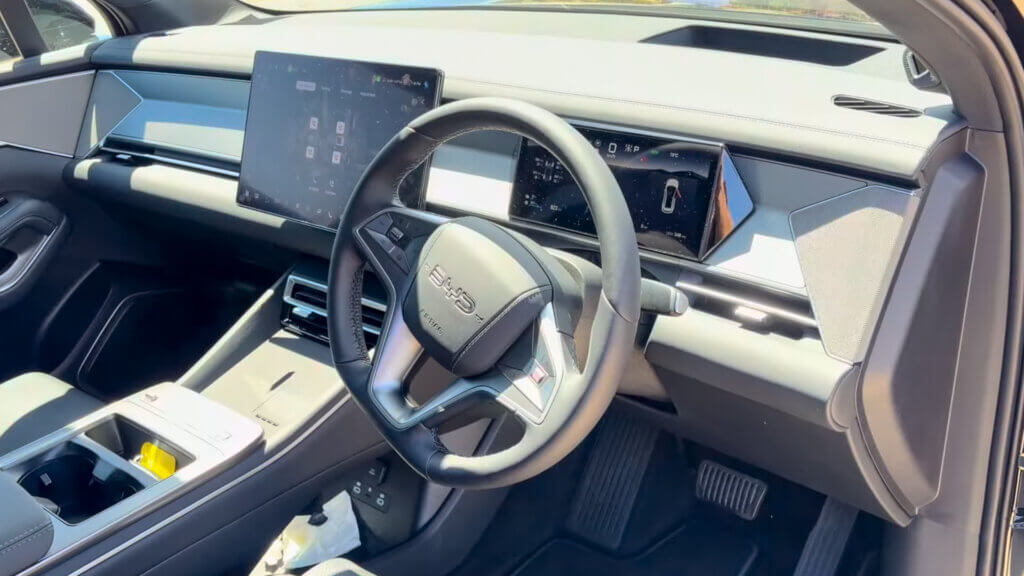
Stepping into the cabin of this SUV feels more akin to something from Europe than the Japanese or Korean rivals closer to its price point. Before I am accused of bias due to the fact I only drove the Sealion that costs over $90,000, this sentiment rings true through the range. Meaning you can get into the $75,000 Sealion, and still be impressed by its offerings.
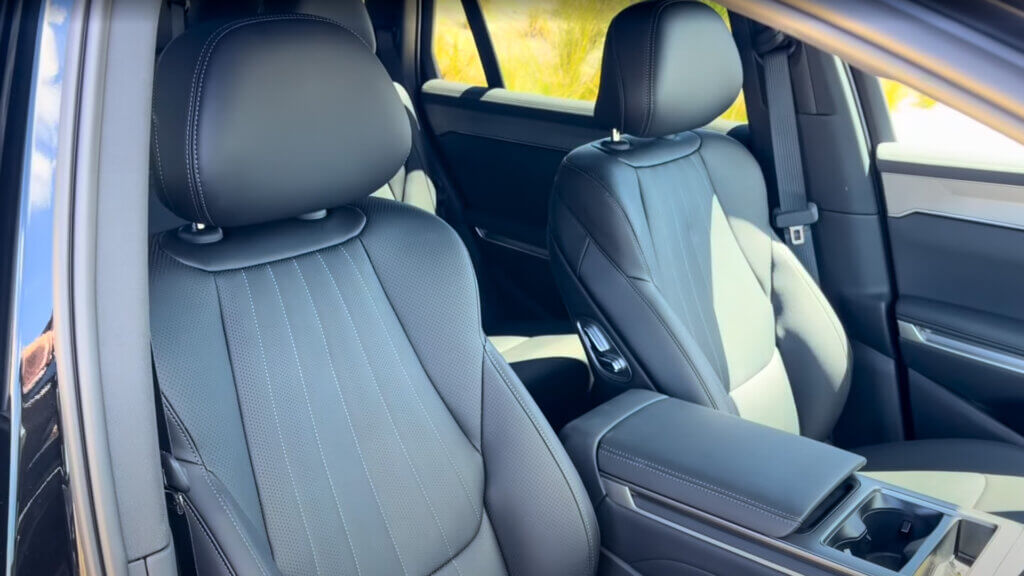
Faux leather seats with power adjustment are standard, as is heating and cooling in the front row. You’ll have to fork out for the Premium to get the real leather ones and massage function, but that isn’t a deal-breaker.
These seats are also remarkably comfortable, and very wide.
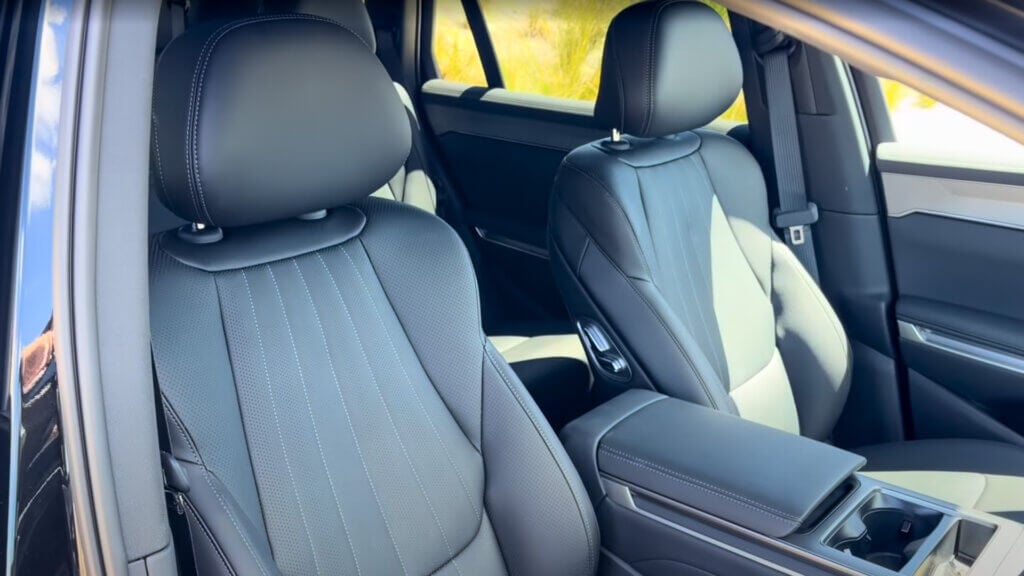
At over five metres in length, it should be no surprise to hear space is abundant inside the Sealion 8. This is particularly apparent in the second row, where there’s plenty of head and leg room on offer.
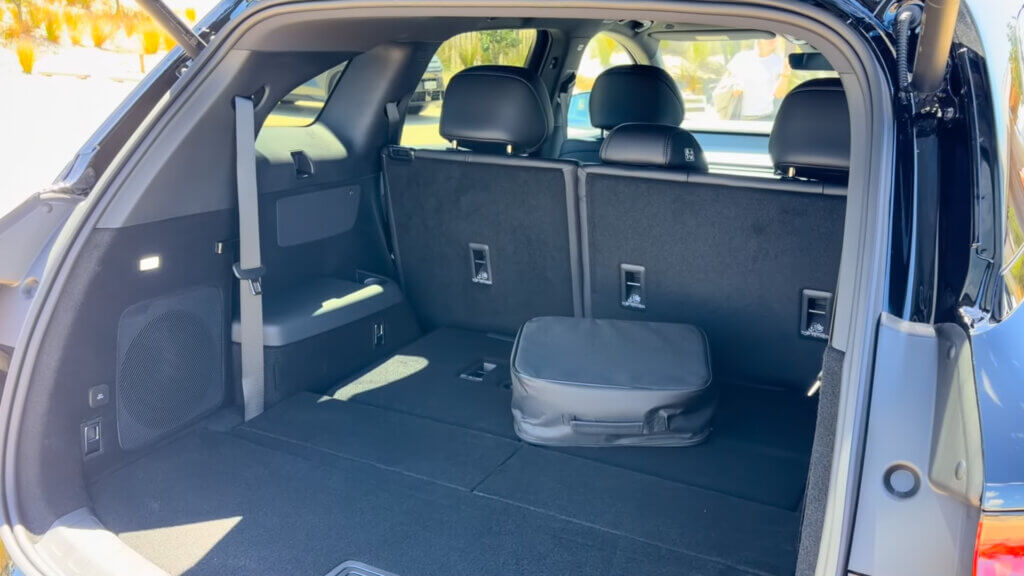
Things tighten up in the third row, but it’s still doable for a smaller adult. You wouldn’t want to be spending a lot of time back there, but in saying that, I haven’t come across a third row that I would call spacious.
In saying this, I feel like we have to commend BYD engineers for the packaging of the Sealion 8, and managing to fit a reasonably sized third row in a plug-in hybrid SUV. Usually seven seats are too big of an ask for these types of vehicles, due to the large battery packs, but they have made it work well here.
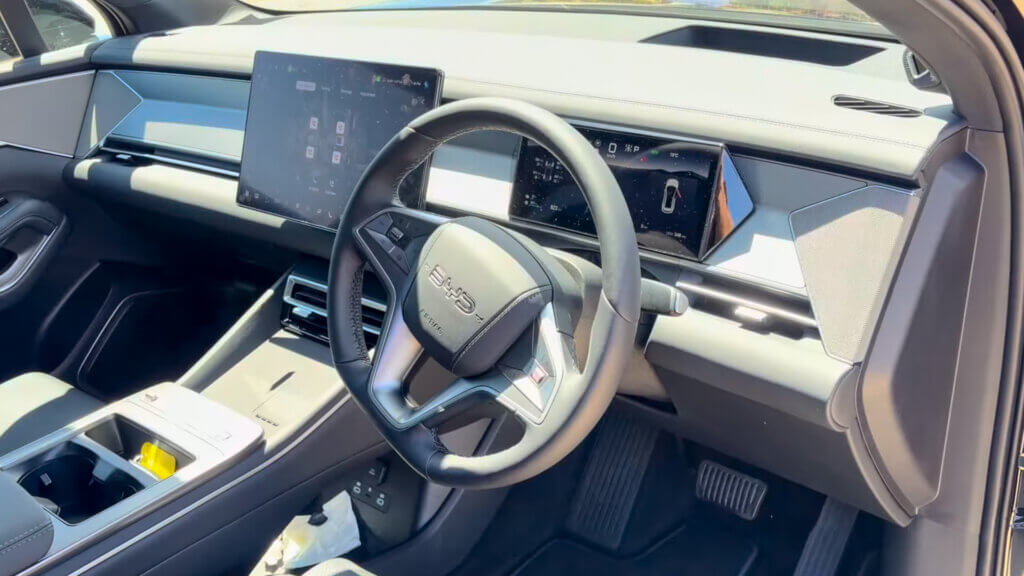
Behind the steering wheel is a large 10.25-inch digital cluster, but only the Premium model gets the head-up display.
A 15.6-inch infotainment screen is mounted in the centre of the dash, which runs BYD’s in-house operating system and offers a lot in the way of entertainment. Though we didn’t get time to use it, the karaoke app looked like a hoot. This system also offers wireless Apple Carplay and Android Auto connectivity as standard.
This system will also receive over-the-air updates.
A ten-speaker sound system is offered across the two lower-spec models, whilst a 21-speaker system is standard on the Premium model.
How’s the Drive?
On the road, the Sealion 8 continues to impress.
Right out of the box, I was impressed with how quick it was, given the SUV’s sheer size. Tipping the scales at over 2.5-tonnes in all-wheel drive spec, it’s not a lightweight vehicle, yet the electrified powertrain does a great job of moving it along at pace.
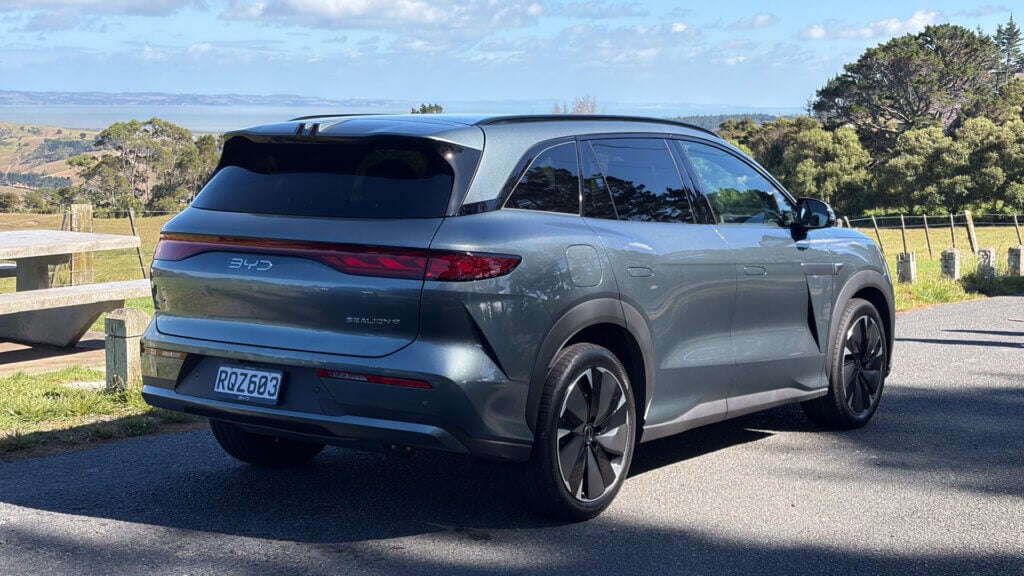
Before I had a look at the spec sheet, I assumed the 0-100km/h time was around the 4.5-second mark, and I was surprised to learn it’s actually 4.9-seconds. This obviously isn’t a metric that matters too much in a family SUV, but it’s nice to know it’s got some grunt when you need it.
Aside from performance, I’d say the biggest benefit of this Sealion’s powertrain is how effortlessly it works. The only time I noticed any sort of noise coming from the engine was when I floored the throttle. Aside from this, it may as well be an electric vehicle with how quietly it works.
For the drive route on the local launch, we covered a lot of ground around Auckland’s North Western fringe. This involved a bit of motorway, but the majority was on rough rural roads. The ride that the Sealion 8 offered over this surface was remarkable. With the SUV riding on 21-inch wheels, I was skeptical of the ride that it would offer, but it seems to overcome this lack of tyre sidewall with impressive suspension tuning.
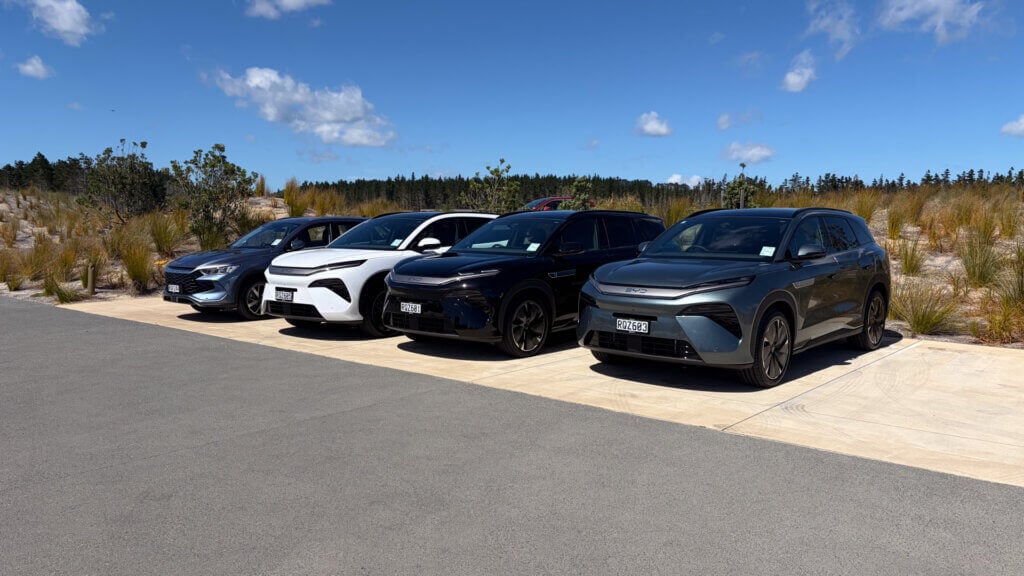
Alongside the ride, the body control is also impressive, with the Sealion not doing anything untoward, even when pushed reasonably hard through the corners. Obviously it will lumber as any seven-seat SUV will, but the body movement was kept in check.
As a plug-in hybrid, efficiency is really the selling point of the Sealion 8, and it’s something that it does very well. BYD claims a combined fuel economy figure of 1L/100km for the all-wheel drive models. It’s worth noting that this is achieved with a full battery, so real world driving without charge is obviously going to be different.
For the first section of our drive, I accidentally had the Sealion set to ‘Save’ mode, which retains charge in the battery whilst solely using petrol power. Despite this, the Sealion still managed to achieve 5.8L/100km on petrol power alone, which is really impressive for an SUV of this size. Once I had switched it back to hybrid mode, I saw this figure drop down in the 2L/100km region, which is closer to the claim.
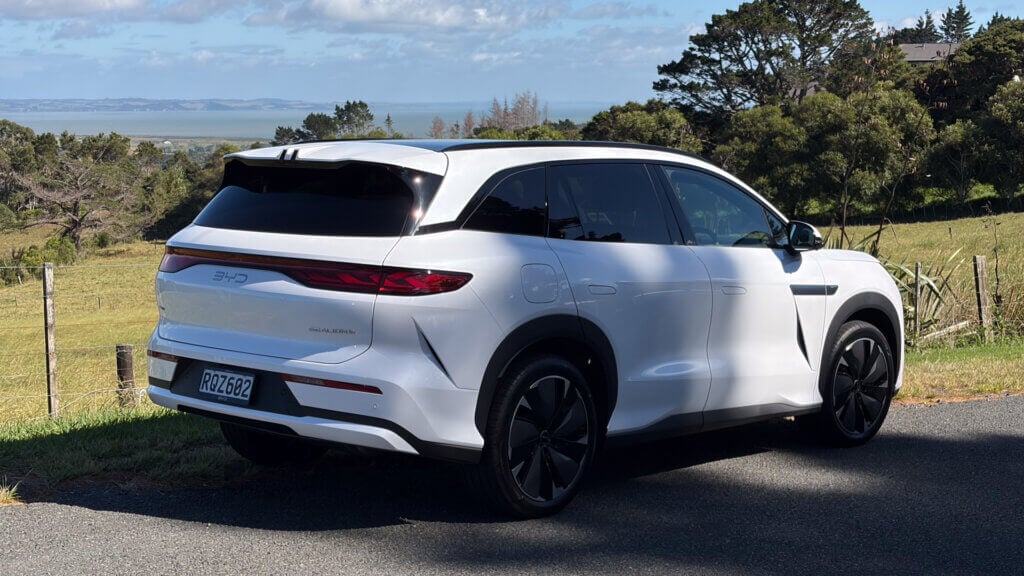
Lastly, the driver assistance system all worked as you’d expect a more traditional brand’s car to do. There is a driver attention monitor, but it’s nowhere near as punishing as other Chinese-made cars have been of late. BYD have obviously taken owner feedback onboard, and have made the correct changes.
The Whole Package
While we only managed to spend a couple of hours with the Sealion 8 on this local launch, it’s clear BYD New Zealand are onto a winner.
Will it be enough to sway buyers from those Japanese and Korean legacy brands that are more established in the local market? I don’t think these buyers will be the ones forking out over $90,000 for the Premium model, but can see a fair bit of cross-shopping consideration at the $75,000 entry point.