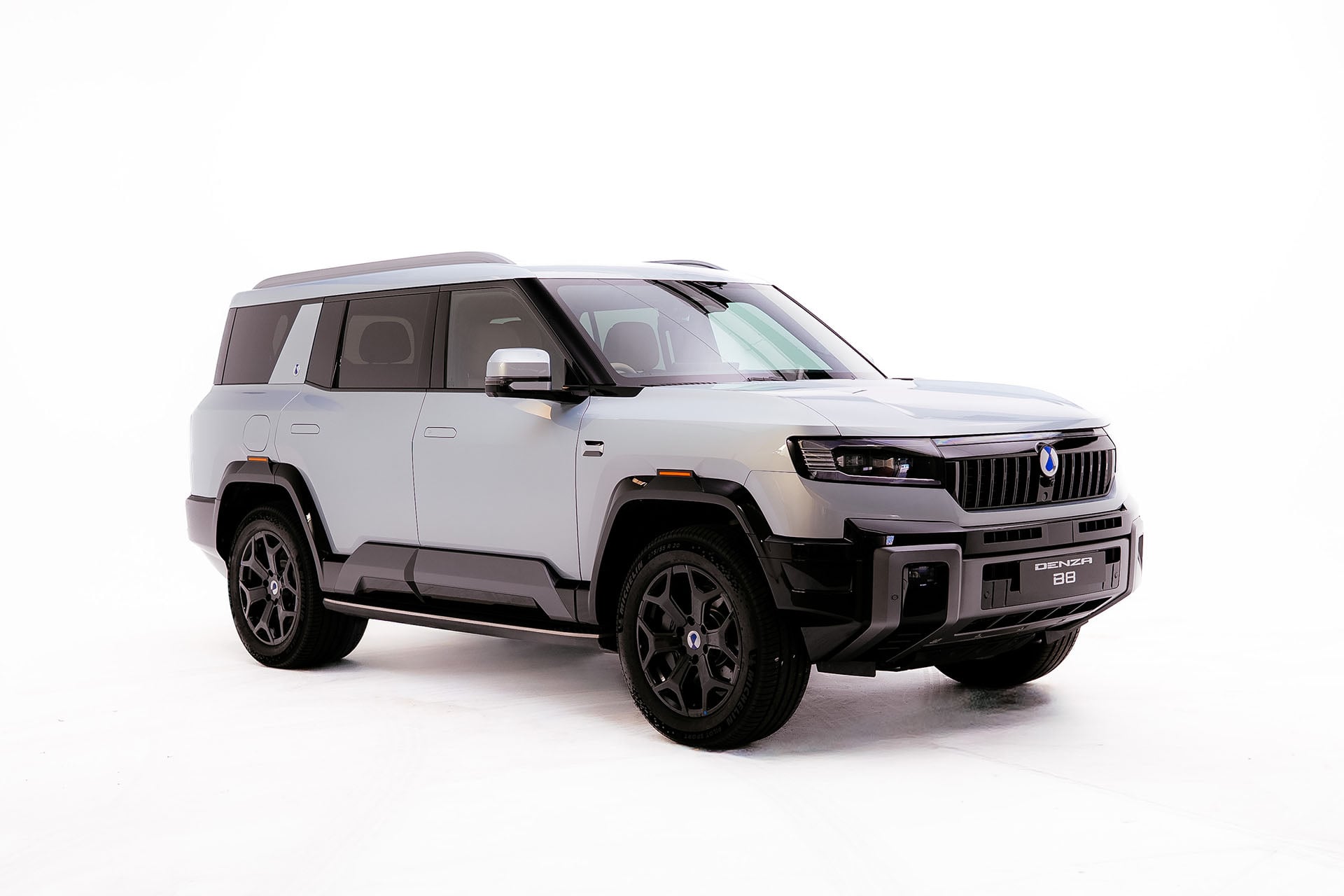
Grey area surrounding 3,500kg threshold highlighted by arrival of Denza B8
Words: Richard Edwards
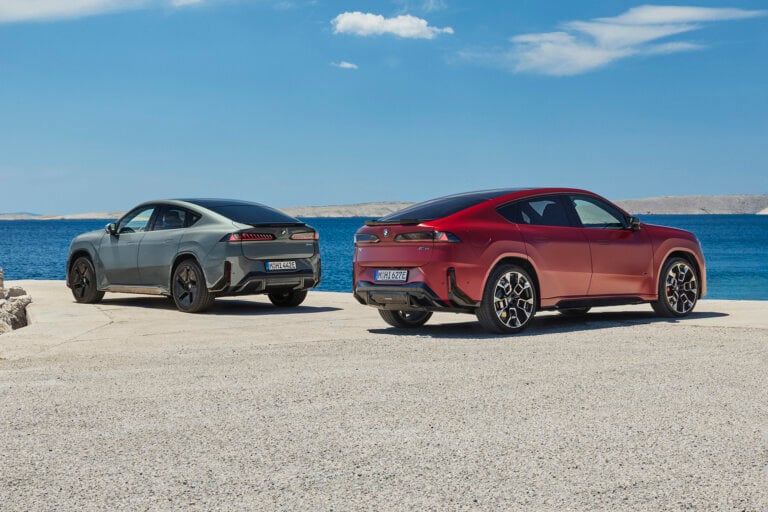
Denza Auckland has confirmed it has registered its first B8, a seven-seat luxury plug-in hybrid SUV, as a light vehicle without road user charges.
The B8 has a tare weight of 3,290kg and a gross vehicle mass (GVM) of 3,992kg. That is nearly 500kg above the threshold that defines a light vehicle under New Zealand’s transport regulations.
The arrival of the Chinese SUV has inadvertently exposed a gap in the RUC system that was never designed with nearly four-tonne passenger SUVs in mind.
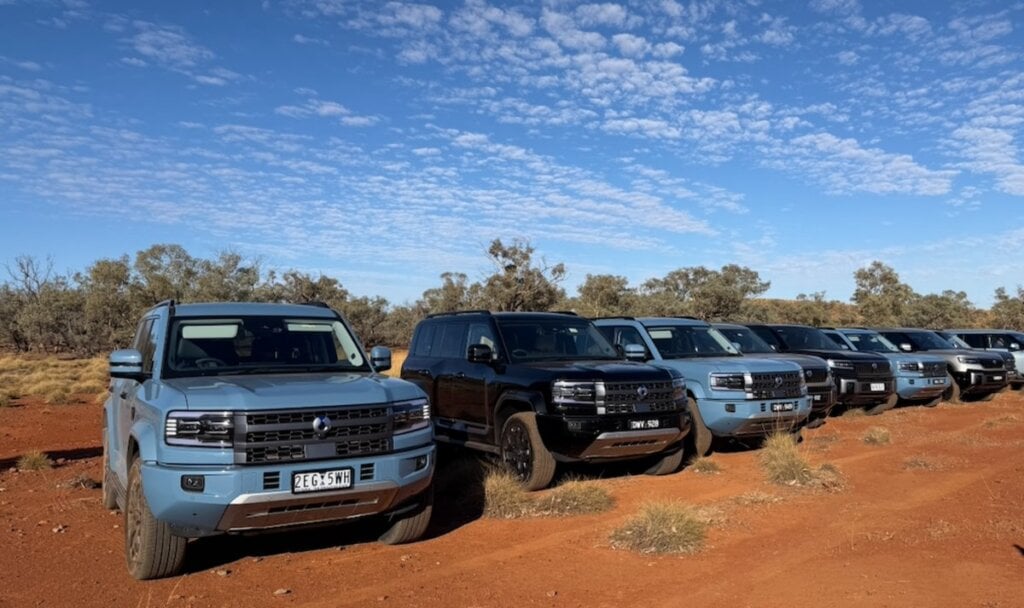
New Zealand’s RUC framework draws a line at 3,500kg GVM. Below it, vehicles are “light.” Above it, they are “heavy.” The two categories operate under quite different regulatory regimes.
The B8, at 3,992kg, sits above that ceiling and falls outside the light vehicle RUC categories. It has been registered as an MC-class passenger vehicle, not as a heavy vehicle, so it hasn’t been brought into that system either.
Avoidance means savings
If the B8 were treated as a light PHEV (under 3,500kg GVM), its owner would pay $38 per 1,000km in RUC, or $380 over 10,000km plus administration fees.
If it were treated as a heavy vehicle in the 3,501 to 6,000kg weight band, the standard rate for a powered two-axle vehicle is $82 per 1,000km, or $820 over the same distance.
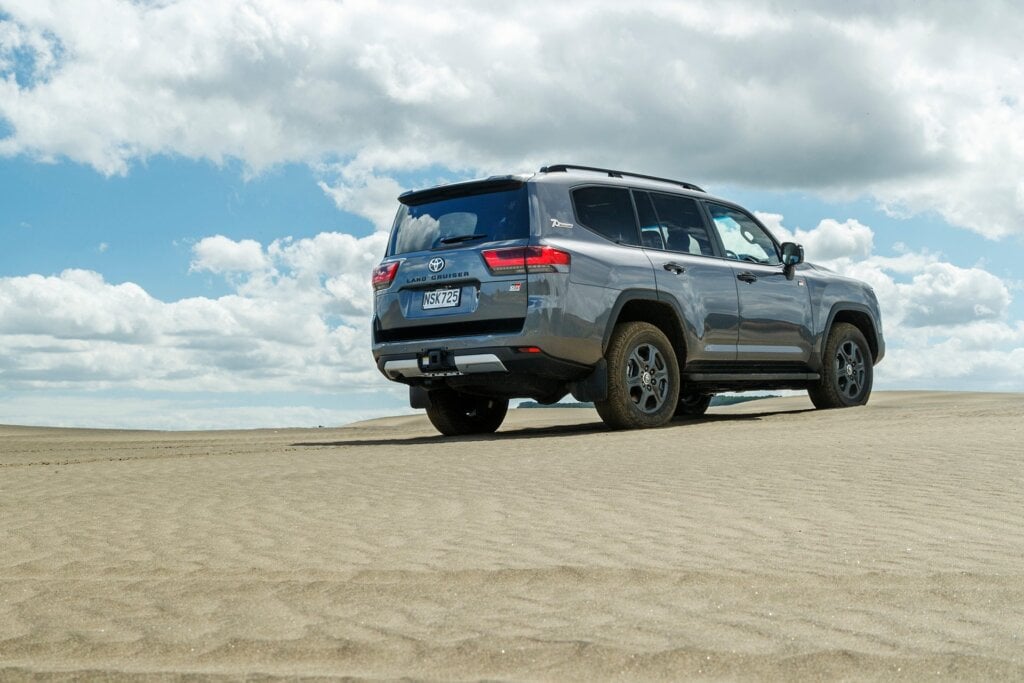
Under the current system, the B8’s owner pays neither. For context, a diesel Toyota LandCruiser 300 Series, which is significantly lighter, pays $76 per 1,000km in road user charges. The B8 pays nothing.
The towing question
The B8’s weight also raises an issue that buyers and dealers need to be aware of. Though in fairness it is not alone, and other models suffer the same complication.
Under New Zealand’s licensing rules, a full Class 1 licence allows the holder to tow provided the combined GVMs of the towing vehicle and trailer do not exceed 6,000kg. If the combination exceeds that figure, a full Class 2 heavy vehicle licence is required.
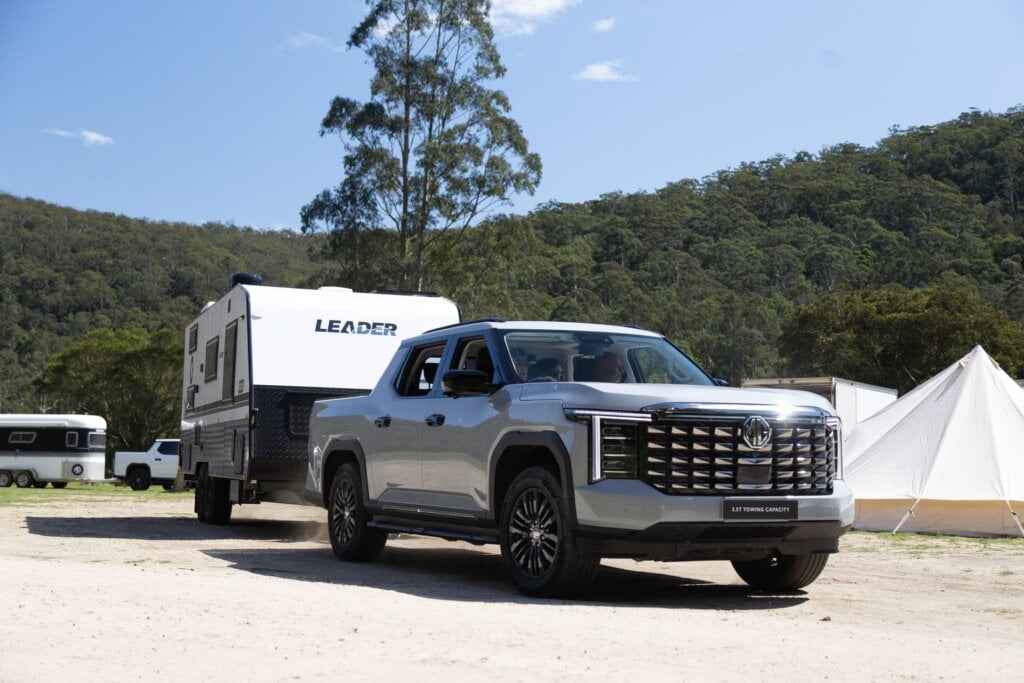
With the B8’s GVM at 3,992kg, any trailer with a GVM exceeding approximately 2,008kg would push the combination over the 6,000kg limit. Given the B8 is rated to tow 3,500kg braked, many buyers intending to tow caravans, large boat trailers, or horse floats will need a Class 2 licence, a requirement that may not be immediately obvious.
Is the B8 alone?
At the time of writing, the Denza B8 appears to be the first MA-class passenger vehicle sold through official channels in New Zealand with a GVM exceeding 3,500kg. But it is instructive to see how close some established models are getting.
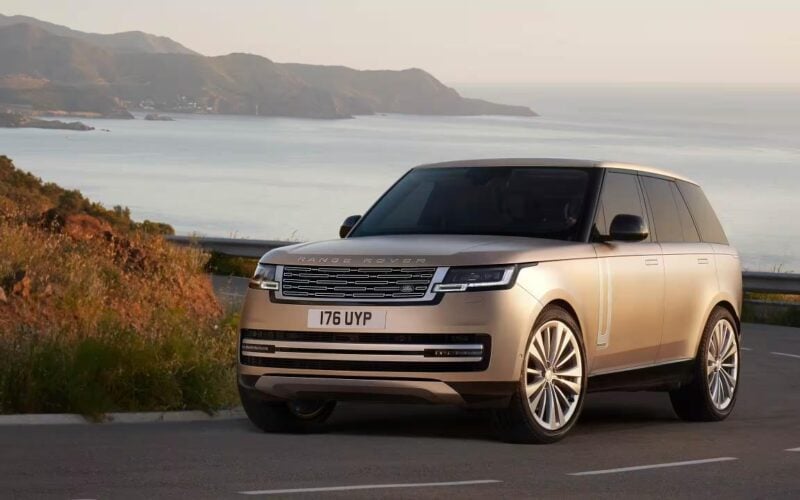
The Range Rover P550e PHEV, one of the heaviest luxury SUVs available in New Zealand, has a kerb weight of 2,810kg and a GVM of 3,480kg. That is just 20kg under the 3,500kg threshold. It is difficult to see that as anything other than a deliberate decision by Jaguar Land Rover to keep the vehicle classified as light. The P460e PHEV variant has the same 3,480kg GVM. For now, both remain on the right side of the line, but there is barely any margin left.
The Denza B5, its smaller sibling, keeps its GVM below the threshold. The Toyota LandCruiser 300 Series sits at 3,280kg GVM in Sahara specification. The Nissan Patrol Y62 is at 3,200kg. None come close to the B8.