Ford’s new Chinese-built Transit City electric van “under consideration” for New Zealand
Words: Richard Edwards
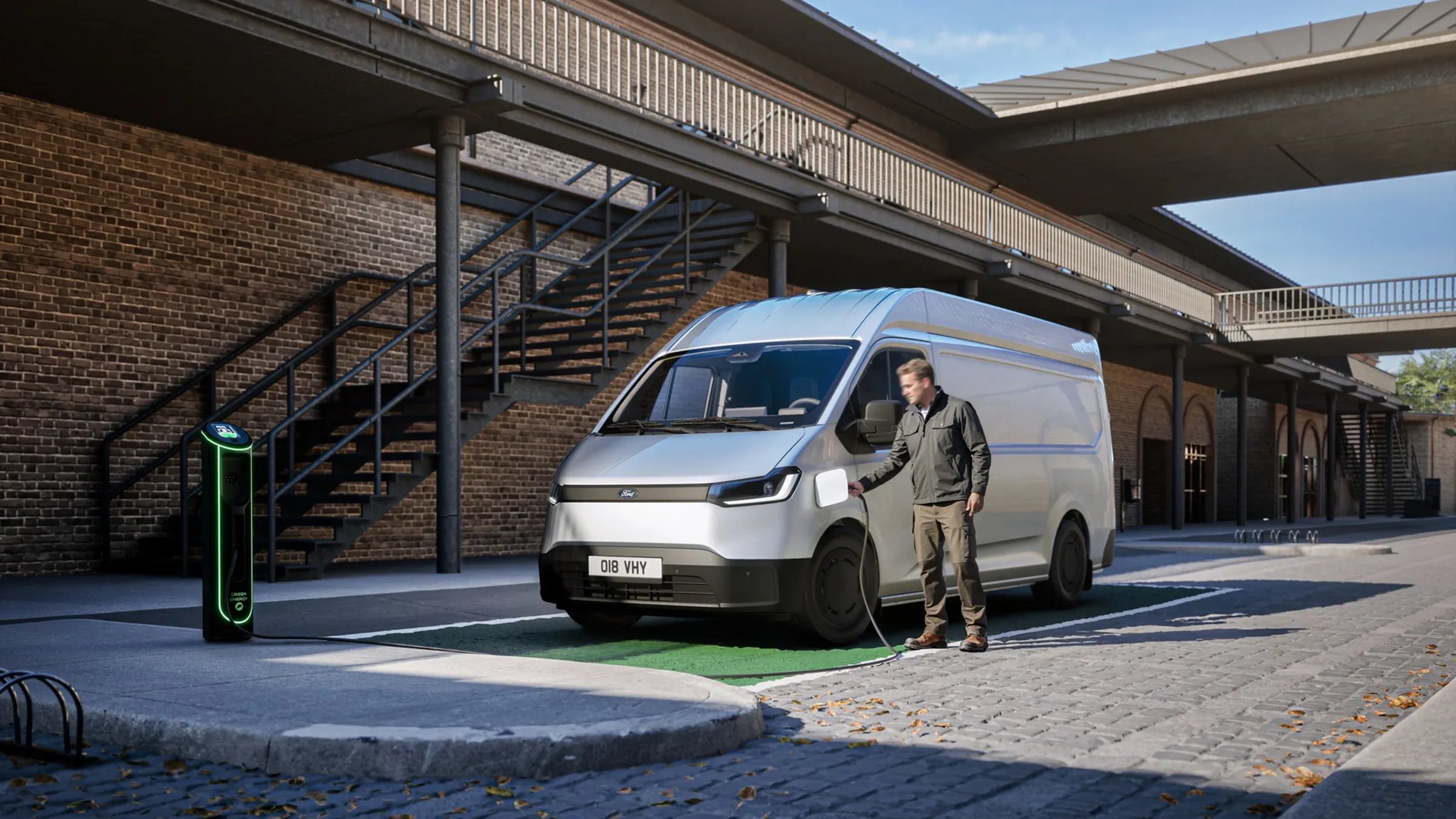
Ford has unveiled the Transit City, a new all-electric van built in China with joint venture partner Jiangling Motors Corporation, and Ford New Zealand says it is looking at bringing the model here.
The Transit City sits alongside the existing E-Transit Custom in Ford’s lineup but takes a fundamentally different approach. Where the Turkish-built E-Transit Custom targets versatility and capability, the Transit City is laser-focused on urban delivery work, stripped back to essentials and priced accordingly.
Ford New Zealand spokesperson Tom Clancy confirms the model is under consideration for the local market. That would make it a natural fit alongside the E-Transit Custom and full-size E-Transit already sold here, and the E-Transit Courier that Ford is also weighing up.
The fact the Transit City is being sold in right-hand drive in the UK makes a New Zealand introduction straightforward. Order books open in Europe in the second quarter, with first UK deliveries expected late this year.
Built on a Chinese platform
The Transit City is the most significant product yet from Ford’s long-running joint venture with JMC, in which Ford holds a 49 per cent stake. It shares its dedicated EV platform and much of its design with the JMC Touring, though Ford says there are fundamental differences including the battery specification and drivetrain layout. It is built at JMC’s plant in Nanchang.
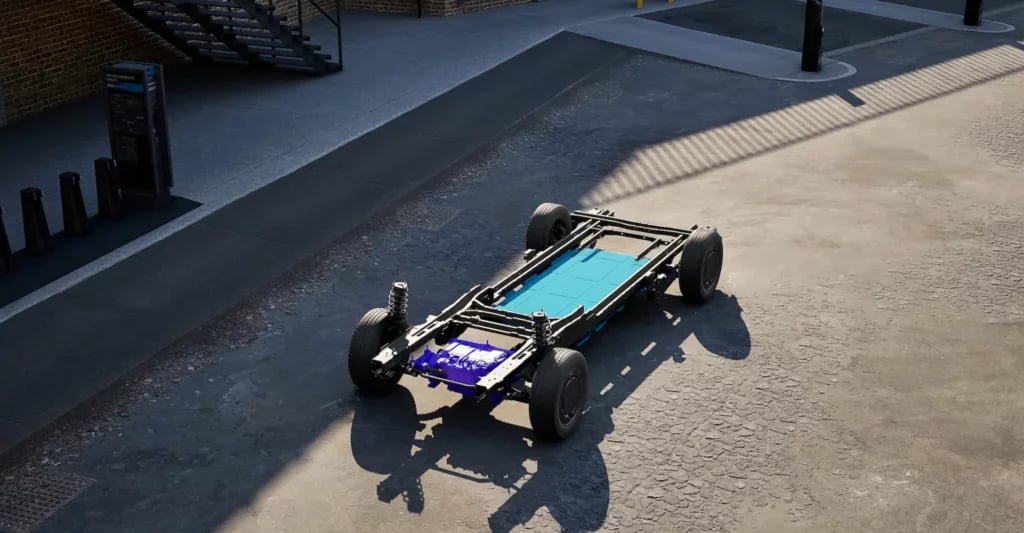
It is electric-only, with no diesel or plug-in hybrid variants, which is why Ford has dropped the “E-” prefix used on its other electrified Transits. A 110kW front-mounted electric motor draws from a 56kWh lithium iron phosphate battery, targeting up to 254km of WLTP range.
That is notably less than the E-Transit Custom’s 373km claim with its larger 71kWh pack, but Ford says connected vehicle data from thousands of electric vans shows 90 per cent of operators in this segment drive fewer than 110km per day. The smaller battery keeps weight and cost down while maximising payload.
Three body styles, zero options
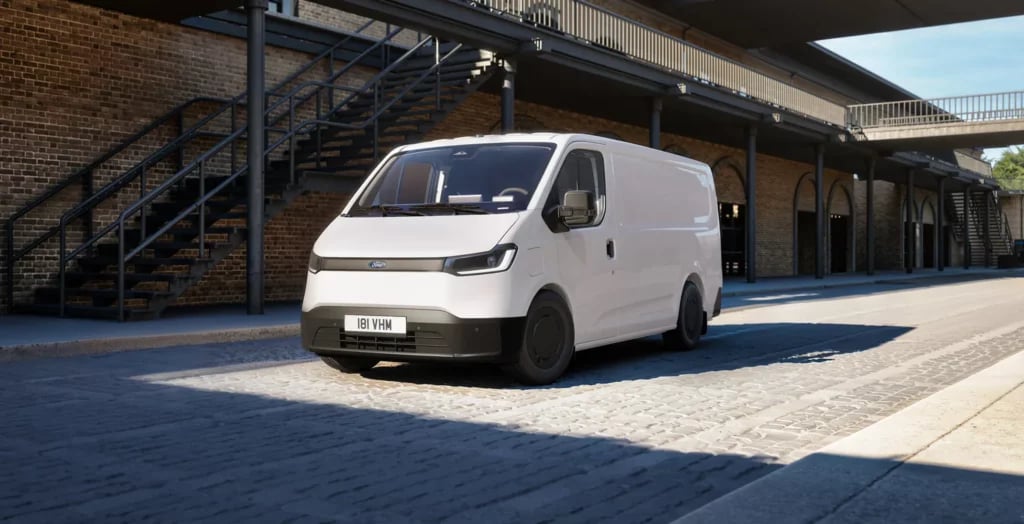
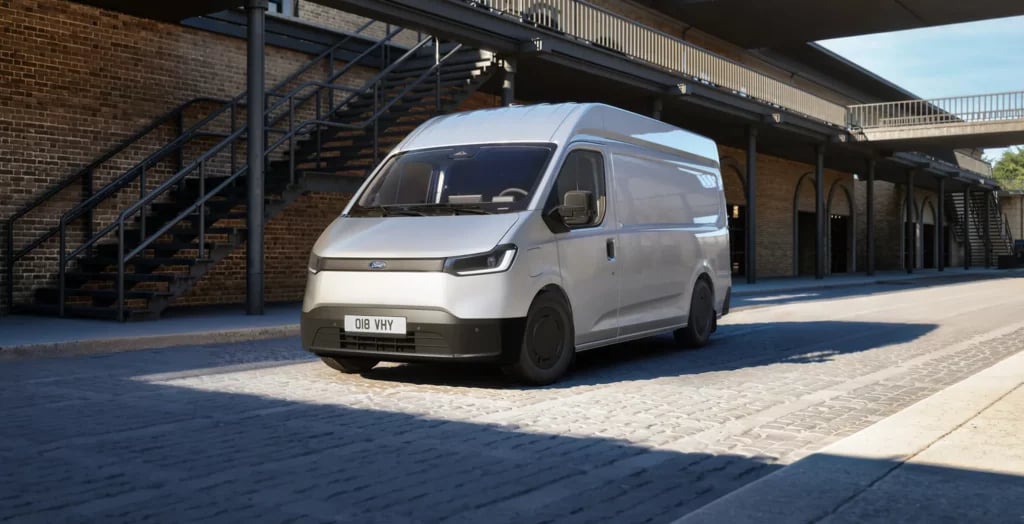
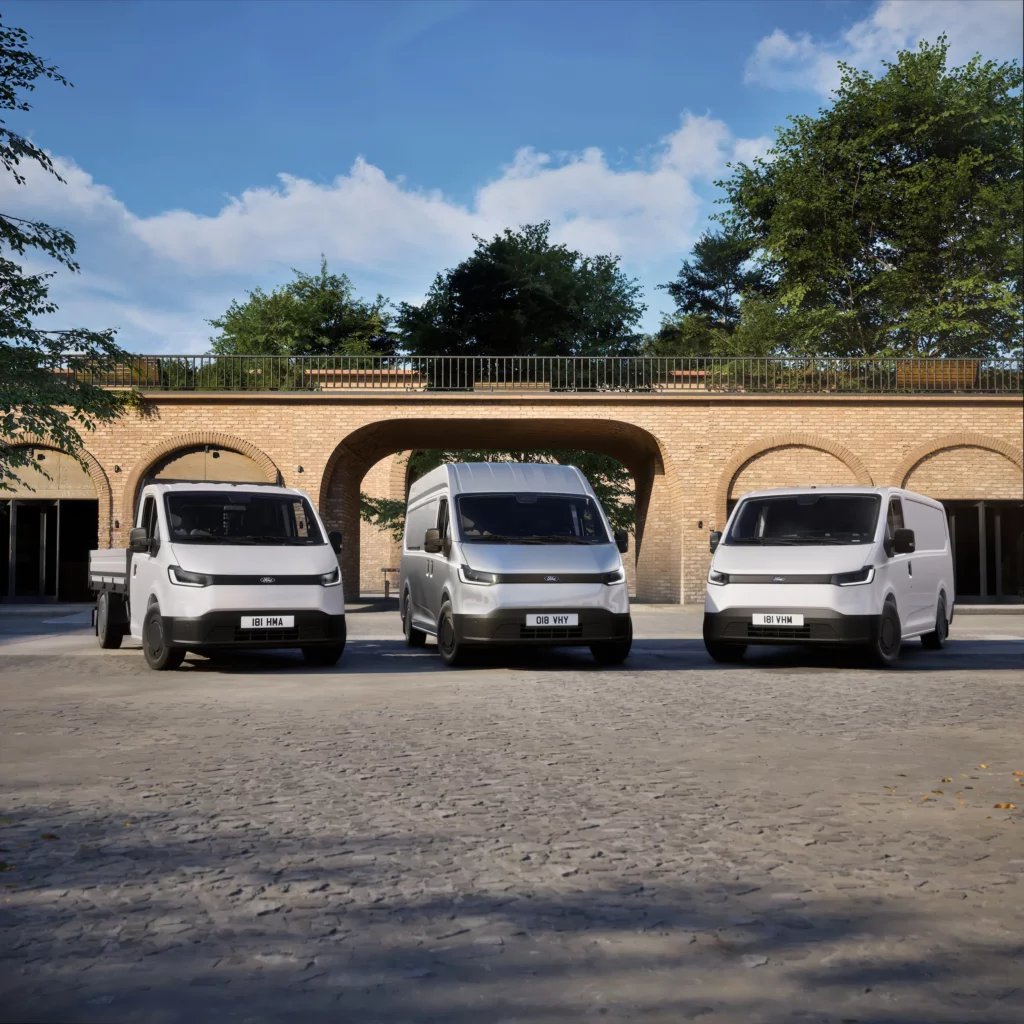
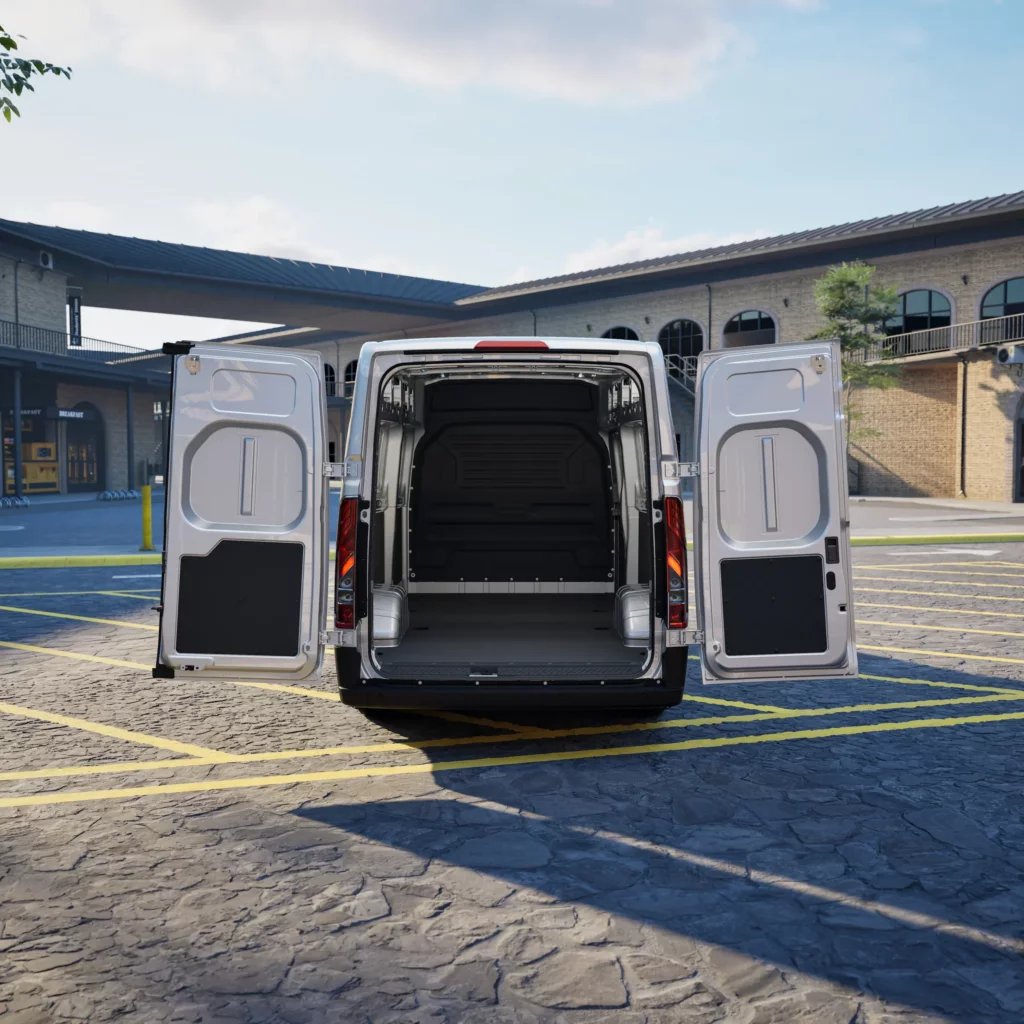
The Transit City launches in three configurations. The compact L1H1 panel van is 4.99 metres long with around six cubic metres of cargo space and a payload of up to 1085kg. The larger L2H2 stretches to 5.29 metres, with a loading length of more than three metres, approximately eight cubic metres of cargo volume and a 1275kg payload. Both can swallow three standard Euro pallets with the rear doors closed.
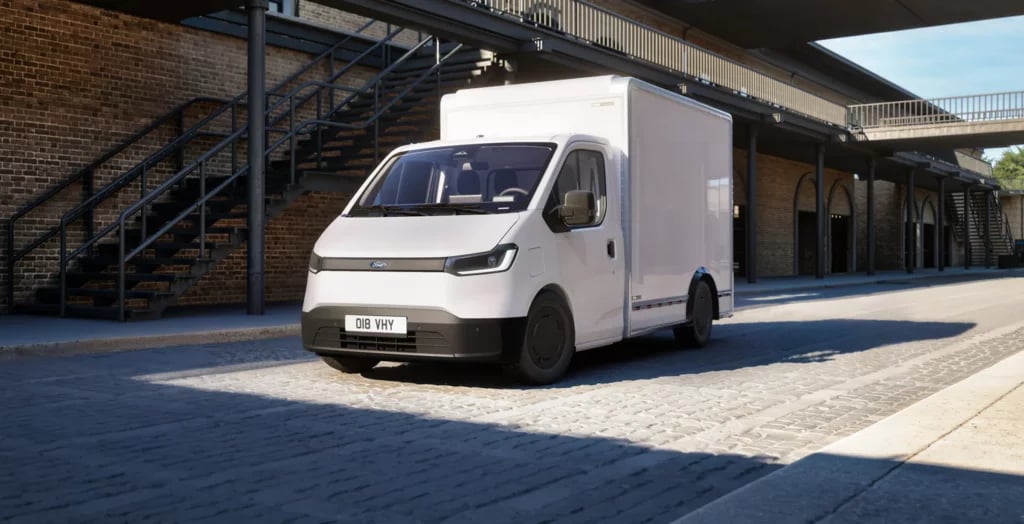
A chassis cab rounds out the range, with Ford’s conversion partners already lined up for box van, dropside, refrigerated and tipper bodies.
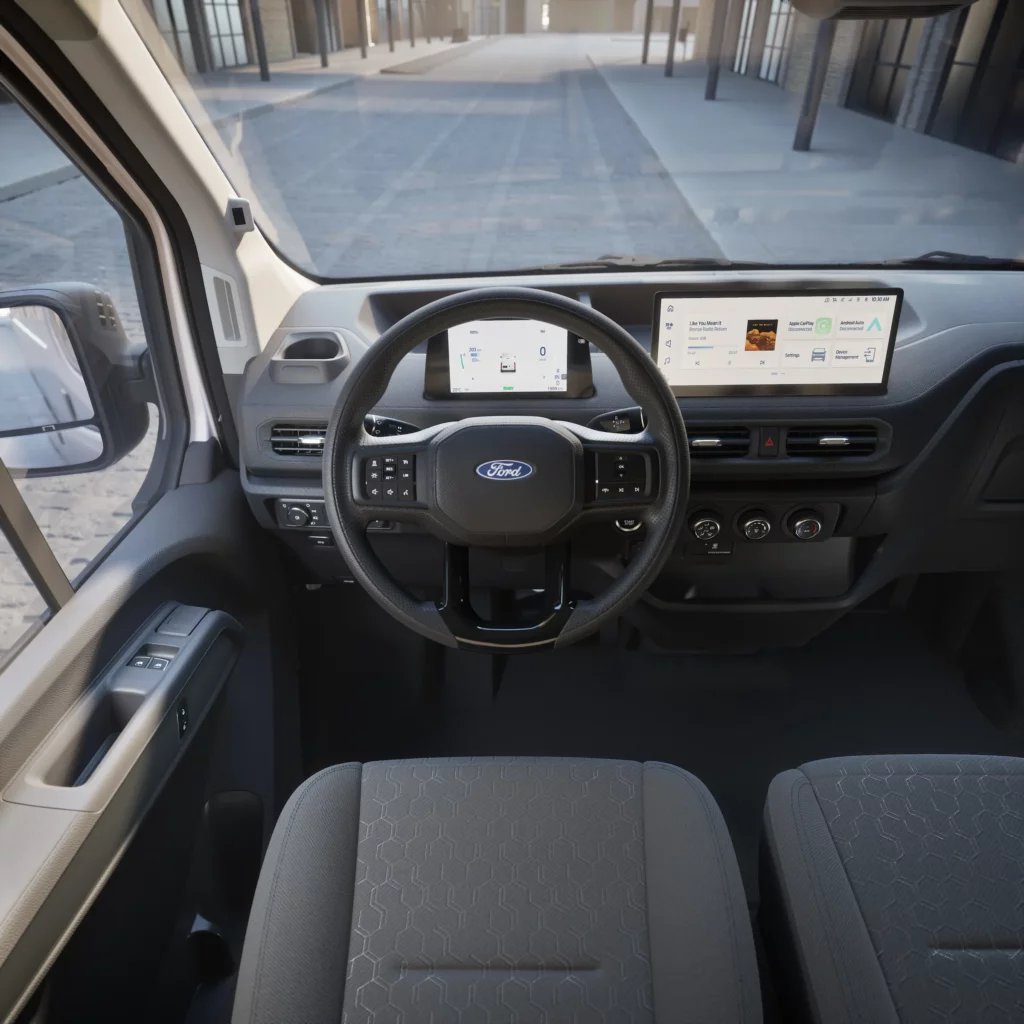
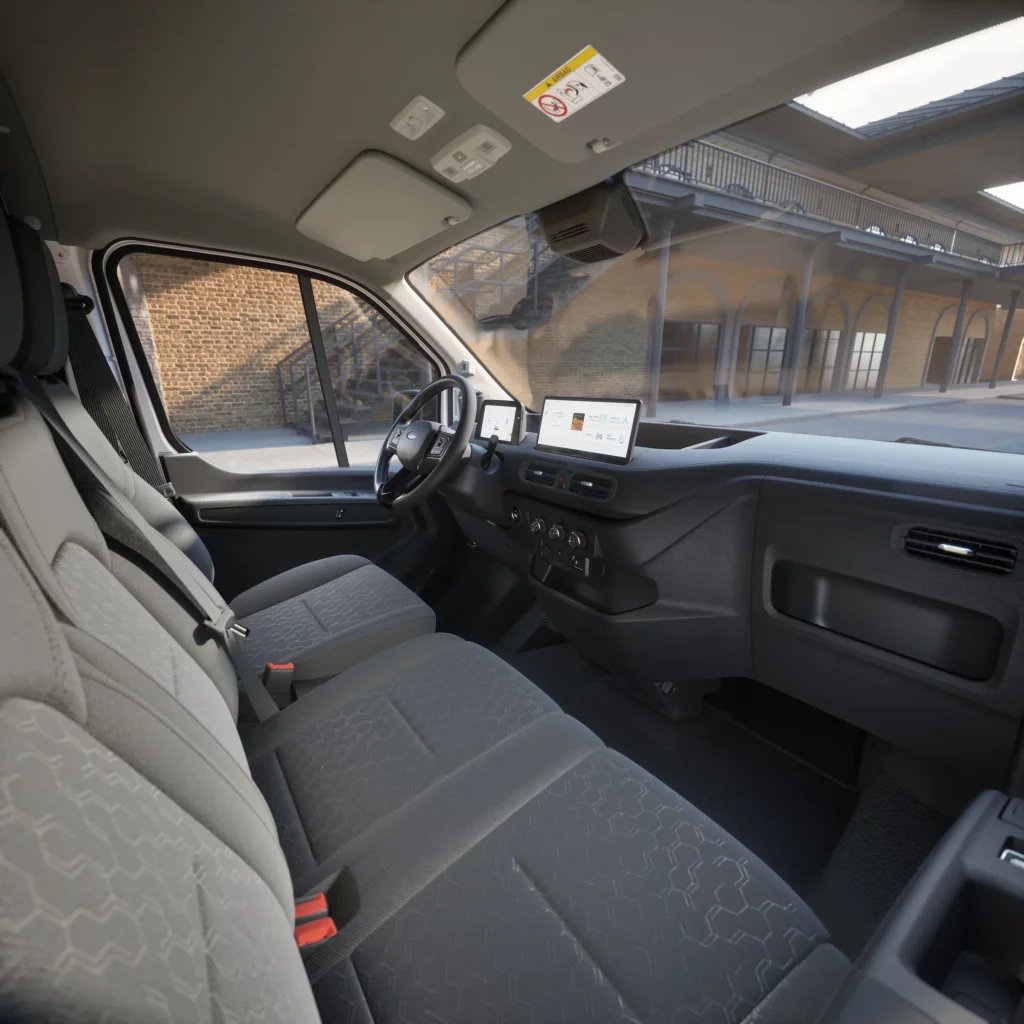
In a move designed to keep costs and complexity to a minimum, there are no optional extras. Every Transit City gets the same specification: 12-inch touchscreen with wireless Apple CarPlay and Android Auto, heated driver’s seat, keyless start, air conditioning, reversing camera, front and rear parking sensors, adaptive cruise control, autonomous emergency braking and lane-keeping assist. One-pedal driving is standard, calibrated with input from existing Ford electric van drivers.
The van does not tow. Ford says that is the E-Transit Custom’s job, with its capacity of up to two tonnes.
Charging and running costs
DC fast charging tops out at 87kW, good for a 10 to 80 per cent charge in around 33 minutes. The 11kW onboard AC charger handles an overnight fill in about 4.5 hours from 10 to 80 per cent. Neither figure is class-leading, but Ford is pitching the Transit City at operators who will charge overnight at depots and top up during lunch breaks.
Ford claims servicing costs around 40 per cent lower than an equivalent diesel van, with service intervals of two years or 40,000km. High-voltage components are covered by an eight-year, 160,000km warranty.
Pricing and competition
Ford has not confirmed European pricing, but UK reports suggest the Transit City will land close to the E-Transit Courier’s £27,000 starting point, with some estimating around £33,000 to £35,000. That would represent a significant discount on the £43,600 E-Transit Custom.
In New Zealand, the E-Transit Custom is listed from around $85,990 plus on-road costs. If the Transit City maintains a similar pricing ratio to the UK, where it is expected to cost roughly 60 to 75 per cent of the E-Transit Custom, a New Zealand price somewhere in the $55,000 to $65,000 range would not be unreasonable. That would make it comfortably the most affordable electric van in Ford’s local lineup.
It would also put it in the thick of an increasingly competitive electric van segment. The Farizon V7E has just launched in New Zealand at $55,990 with claims of price parity against diesel vans, while the larger Farizon SuperVan starts from $79,990. LDV offers the eDeliver 3 and eDeliver 9 in multiple sizes. Peugeot has the e-Partner from $74,990 and the e-Expert, currently on runout from $62,990. And Kia’s PV5 is on its way.
The Transit City’s combination of a trusted brand name, aggressive pricing and a purpose-built urban focus could give it a real edge, particularly for fleet operators running last-mile delivery operations in Auckland, Wellington and Christchurch.
Ford says orders open in the UK and Europe shortly, with deliveries beginning before the end of 2026. Any New Zealand timeline would follow.