View all
4 more images
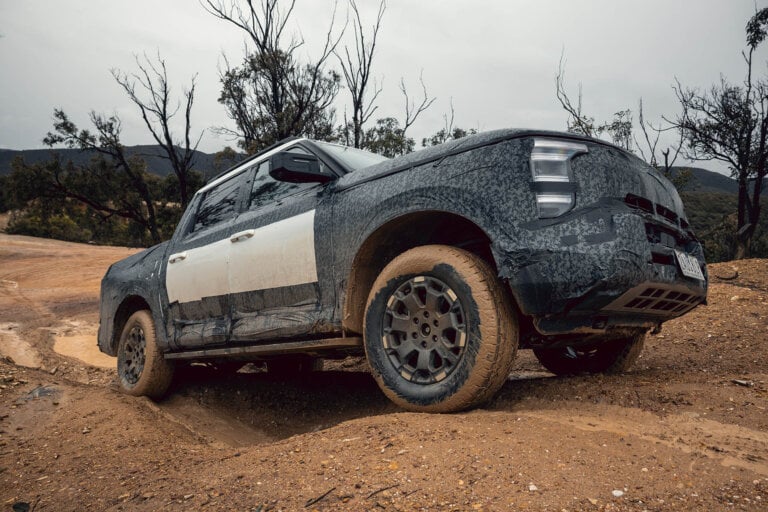
2026 Foton Tunland V7 and V9 First Drive
Words: Andrew Sluys
“Big is Good” is what Levi Vaoga told New Zealand back in the day when he was on the Mitre 10 Mega big bucks. Though that campaign fizzled out more than a decade ago, it’s a sentiment that seems to have resonated with the Chinese brands that build utes for our part of the world.
In the not so distant past, the Chinese utes coming into New Zealand were smaller than their counterparts from legacy brands, both in physical size and sales numbers. But the former has already changed, and it might not be long until the latter does the same.
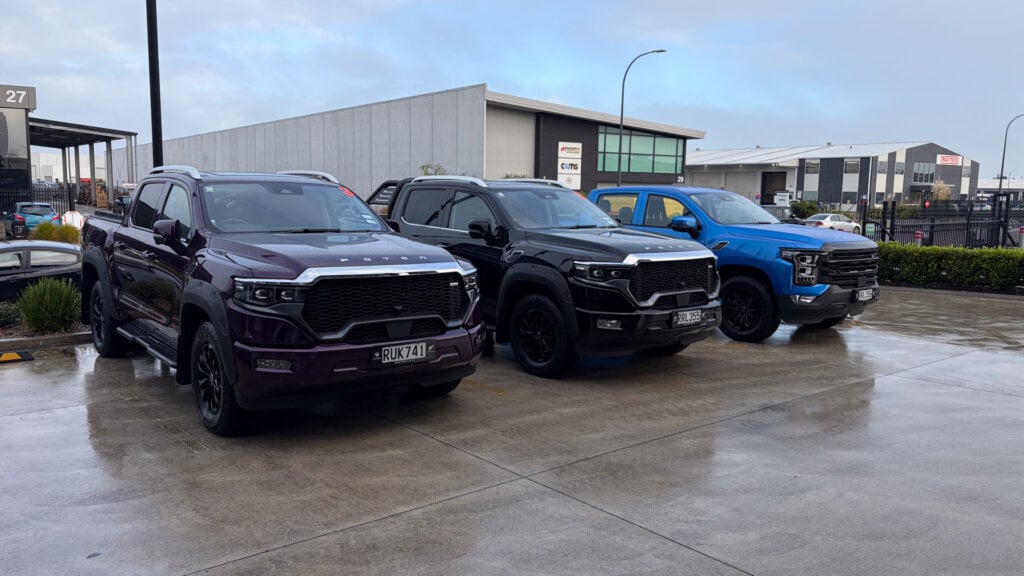
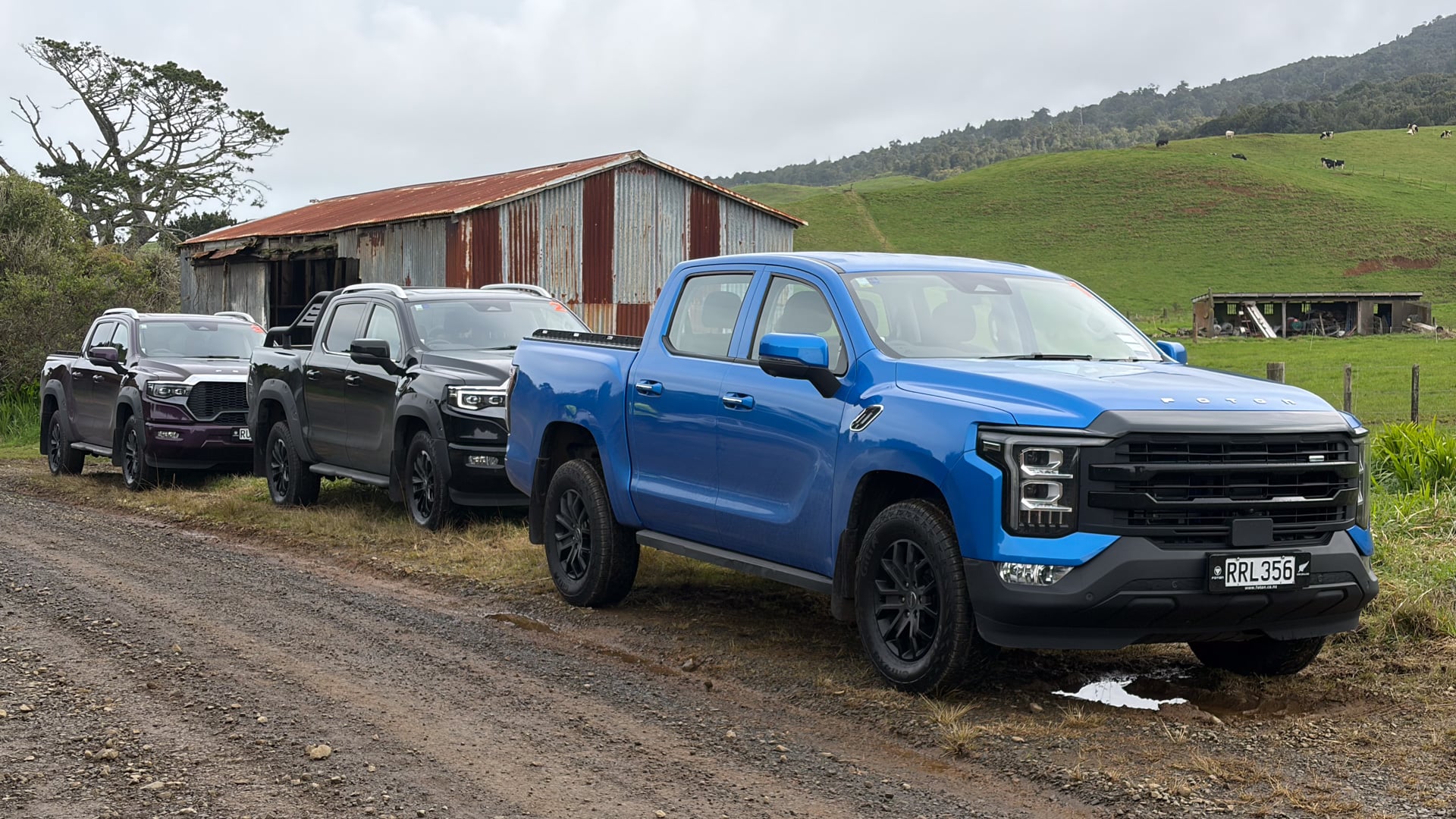
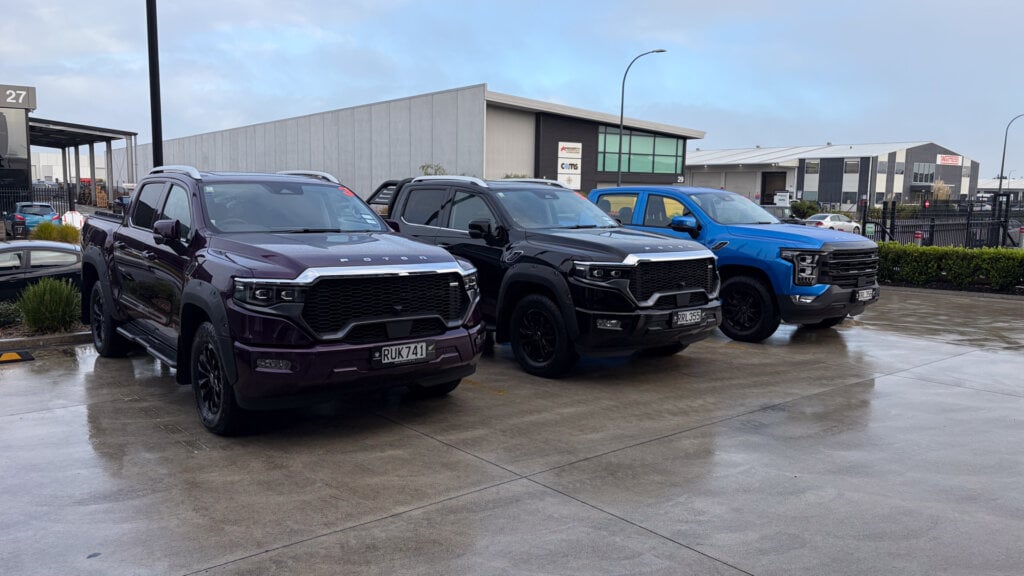
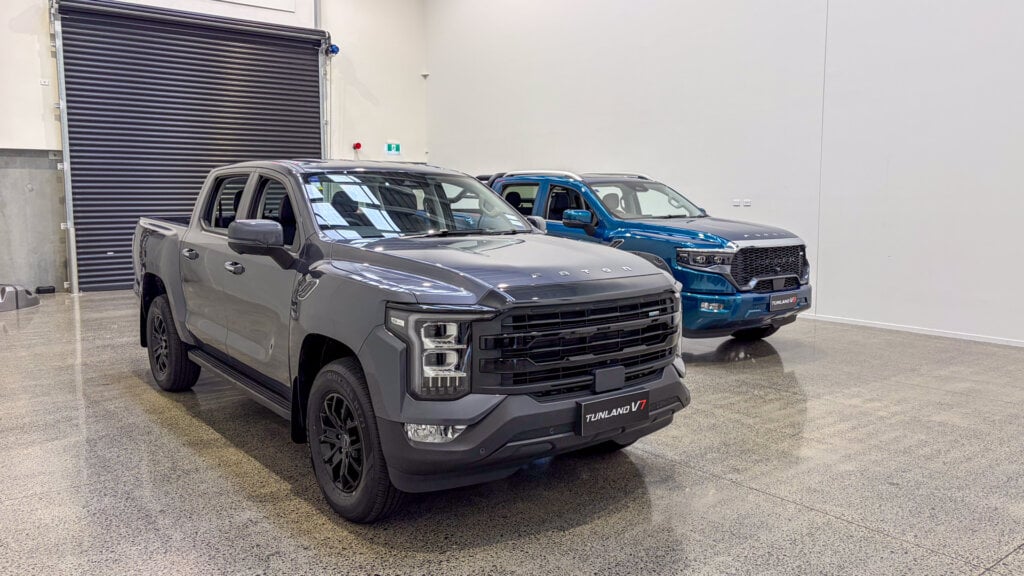
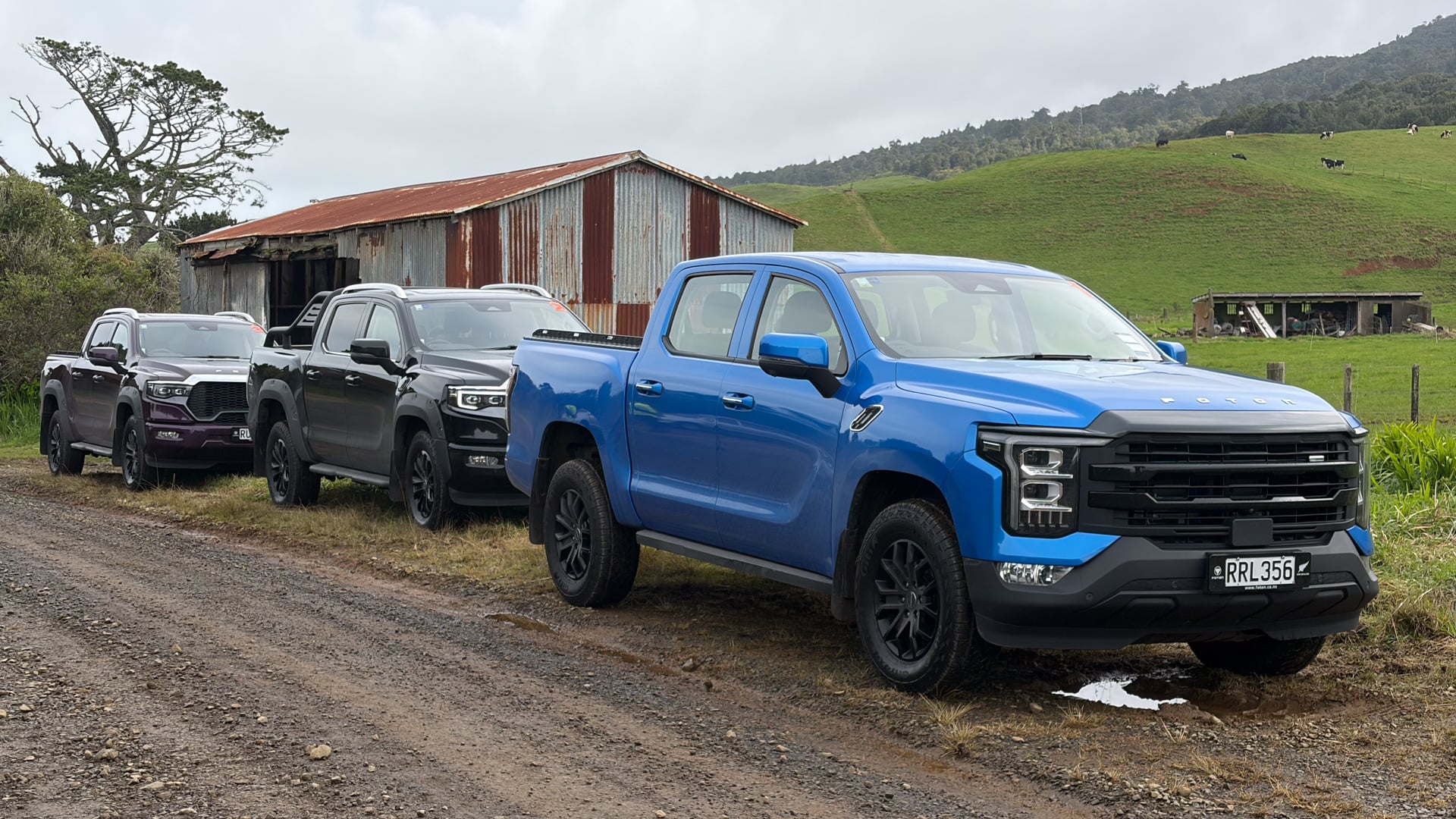
Foton is the latest brand to bring a new ute offering to New Zealand in the form of the Tunland V Series range. It’s worth noting that these are completely different to the Tunland models previously sold by Foton in New Zealand.
V for Very Familiar Looking?
Foton is launching two variants of the new Tunland in New Zealand, in the form of the V7 and the V9. Pricing starts at $48,990 for the entry-level V7 4×2, jumps to $51,990 for the V7 4×4, and the V9 4×4 represents the flagship Tunland in New Zealand at $57,990.
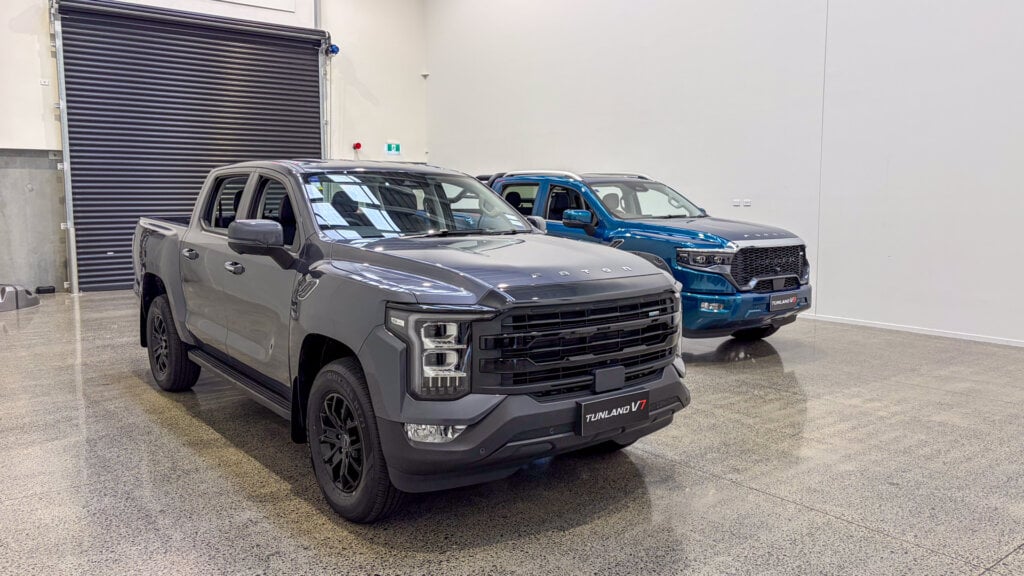
Not only do these utes share a lot style-wise with more well-known American full-size trucks, but they are also closer to them size-wise than a traditional ute. Both models measure 5617mm long, whilst a Ford Ranger is just 5370mm.
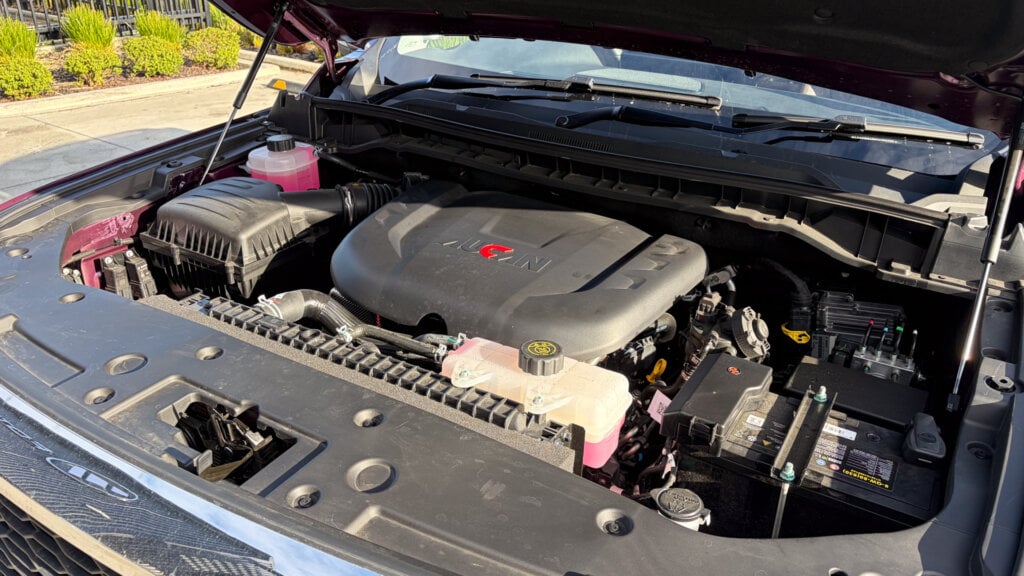
They are powered by a 2.0-litre turbo diesel four-cylinder engine which is paired with a 48-volt mild hybrid system. Peak outputs sit at a modest 120kW and 450Nm. This is paired with a ZF eight-speed transmission as standard, sending power to either the rear wheels on 4×2 models, or all four wheels on the 4×4 variants.
They are all rated to tow 3.5-tonnes braked, while the payload limit depends on the variant. It’s 1115kg for the V7 4×2, 1050kg for the V7 4×4, and 995kg for the V9 4×4.
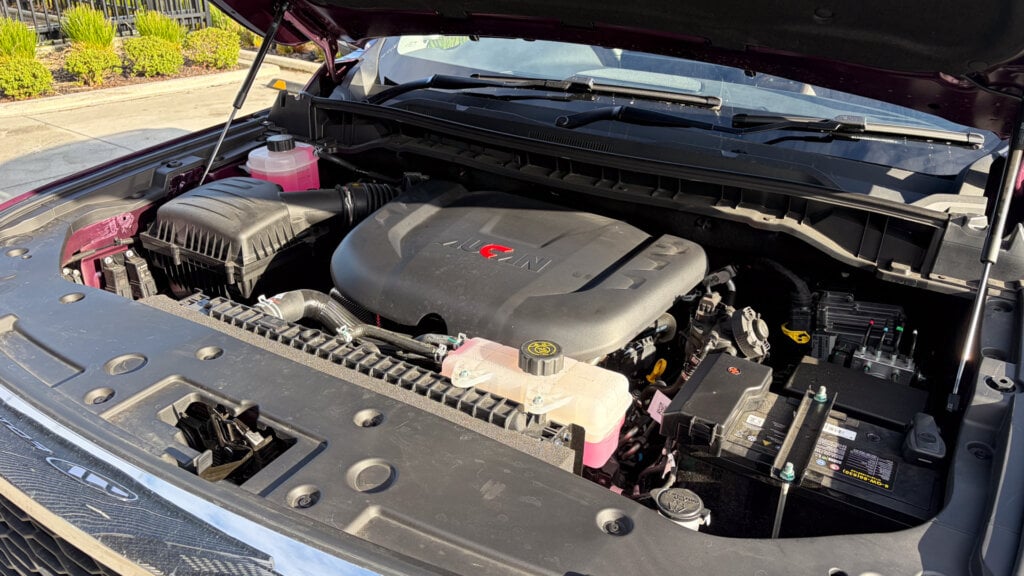
As far as the important driveline goodies go, it’s all standard on the entry level models, you’ve got to look deeper into the spec sheet to find the differences. One key difference is the fact the V7 4×4 only makes do with a rear locking differential, while the V9 4×4 gets front and rear locking differentials. The other big difference lies in the rear suspension, as the V7 uses leaf springs, whilst the V9 gets a multi-link rear.
These are two of the big reasons why Foton New Zealand is portraying the V7 as the workhorse, whilst the V9 is more of a recreational purchase.
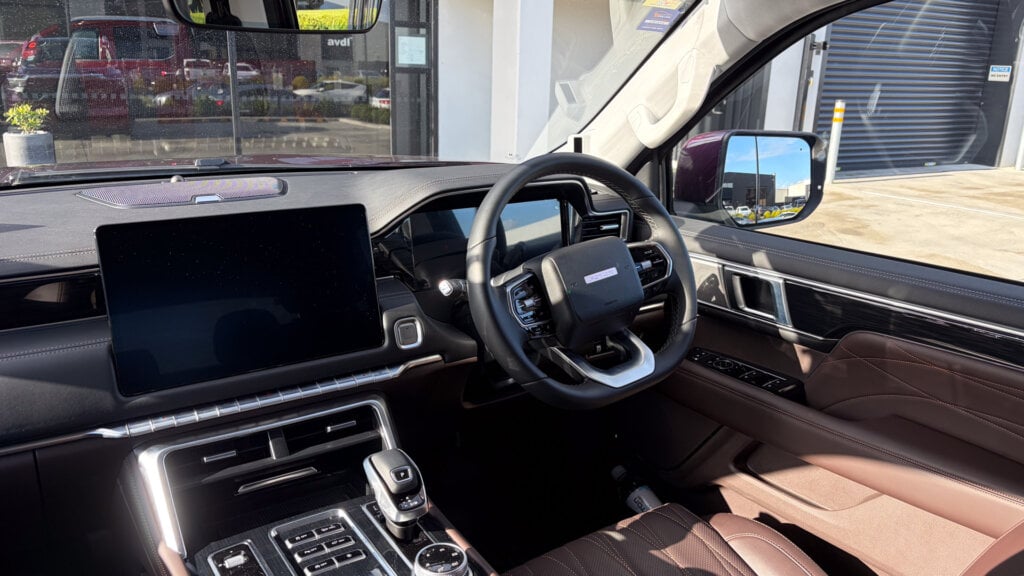
On the inside, the cabins are remarkably well-appointed from the entry level V7. There’s a synthetic leather upholstery in every model, as well as the power adjustment and heating functions. Opting for the V9 also nets you ventilated seats.
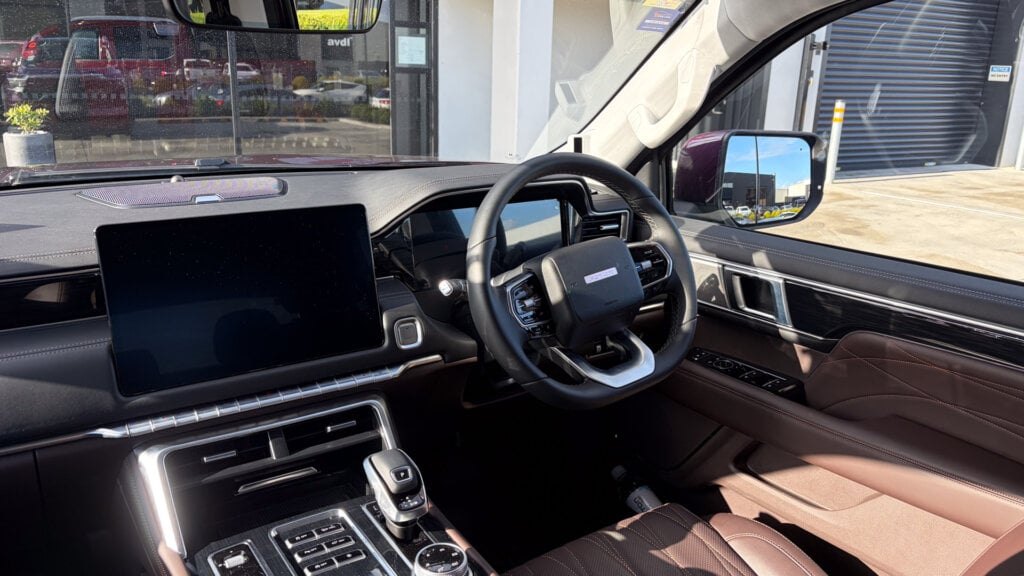
It gets a 12.3-inch digital cluster, and a 14.6-inch infotainment screen with wireless Apple Carplay. It’s worth noting that Android Auto isn’t currently available in this Tunland, but it’s something Foton New Zealand is working on.
There’s also wireless phone charging, and a 220-volt power outlet.
Not only are the features of this interior impressive, but it also feels reasonably well put together.
As for safety, the Tunland is loaded with all the advanced features we’ve come to expect from modern vehicles. This includes adaptive cruise control, lane-keep assist, and autonomous braking to name a few. It also features a driver monitoring system, which didn’t seem to be as sensitive as some of the other Chinese products, but was still a little tedious at times.
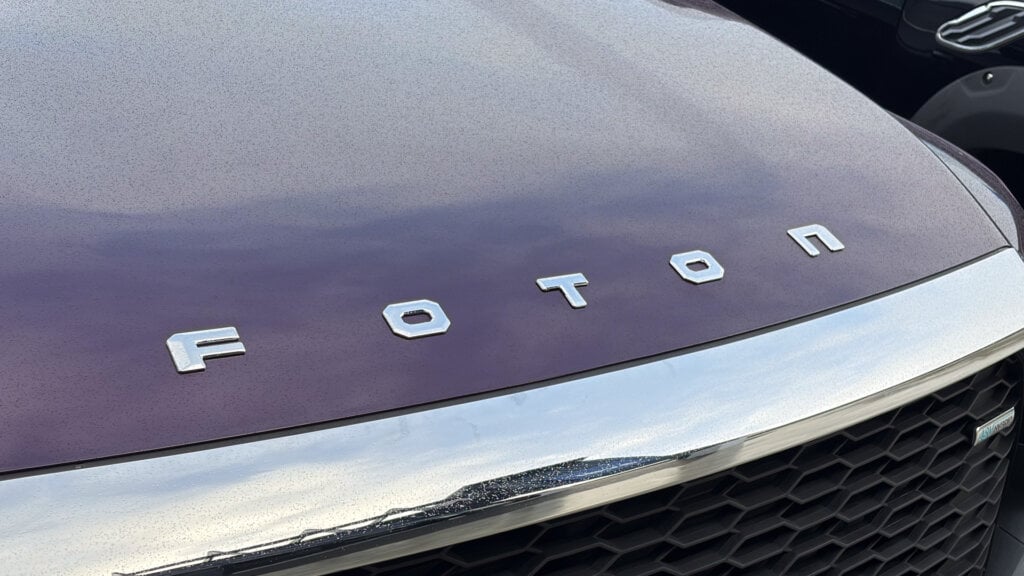
The current new Tunland V series models are yet to be tested by ANCAP.
Foton is also offering a seven year/unlimited KM warranty across this new Tunland range, which should give local buyers peace of mind.
A Workhorse on the Road
Foton is best-known for making commercial trucks, and it feels like this DNA has made its way into the Tunland utes.
For the launch route, we sampled the Tunland utes on a range of rural roads between Hamilton and Raglan, with a combination of asphalt and gravel surfaces. These provided an accurate simulation of where this ute would be used in the real world.
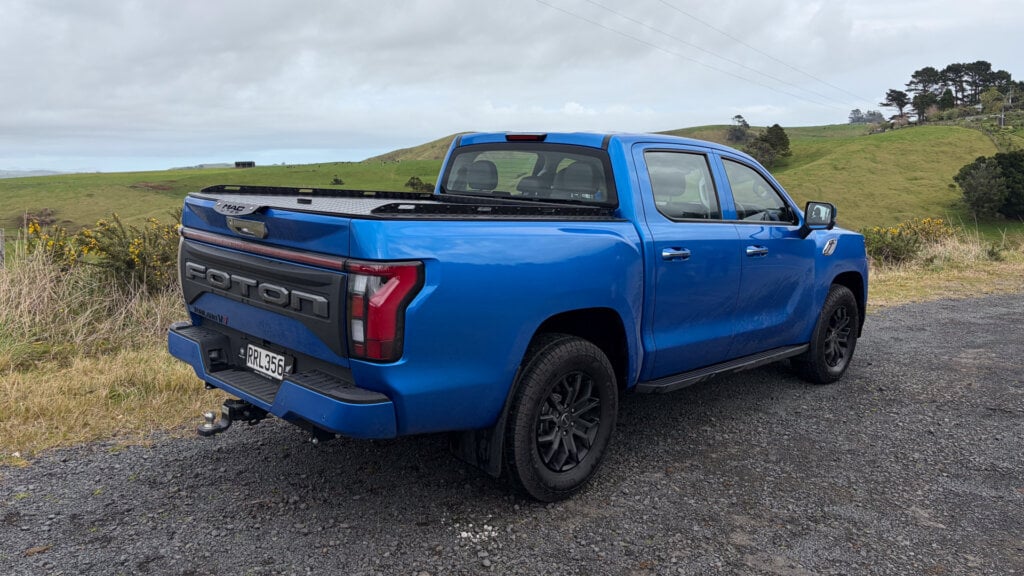
As soon as you start the diesel engine, it doesn’t feel as refined as its rivals from legacy brands — it’s a bit noisier. And with just 120kW on tap, it’s by no means brisk as it makes its way towards 100km/h.
The ride offered is reasonable, but there aren’t any questions around whether or not it’s a ute you’re driving. This is slightly improved in the V9 with its multi-link rear suspension, but it doesn’t feel as refined as the Premcar-tuned suspension you’ll find in the Nissan Navara.
I was impressed by the active driver assistance systems, which were easy to navigate after a bit of familiarisation. The adaptive cruise control will follow the car in front at a respectable distance, and while a little overactive at times, the lane-keep assist system felt solid.
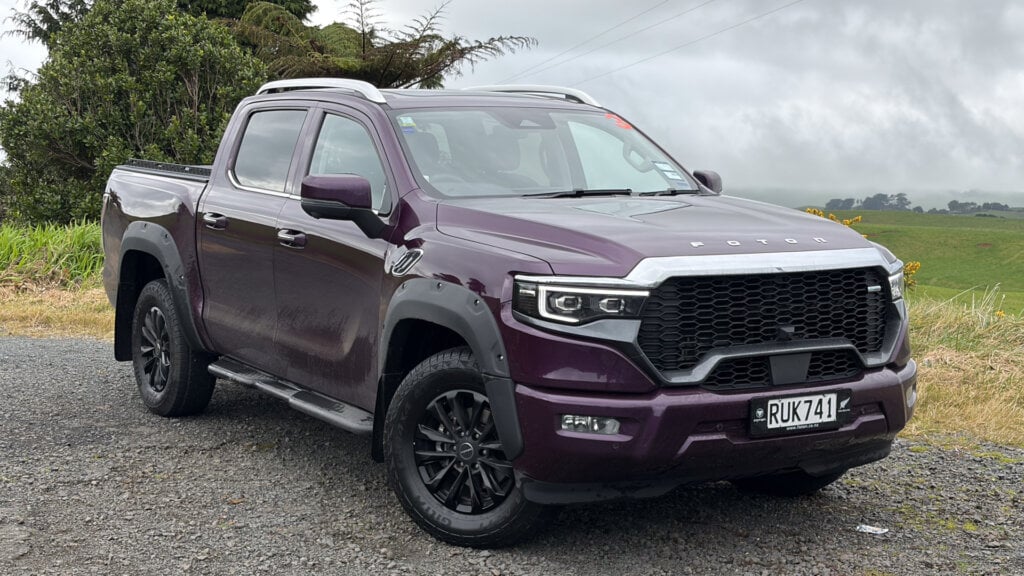
As for fuel economy, I averaged 9.0L/100km during the drive, which is higher than the claimed 8.1L/100km figure, but a lot of that could be put down to the demanding route.
We also had the chance to tow a 2.2-tonne trailer behind a Tunland V7 4×2. I was most surprised here by how similar it felt to driving the ute without anything in tow. Sure you could feel the added weight behind the ute, but the performance wasn’t affected to a massive degree, and the ute held it in check across different surfaces impressively.
Overall, nothing about these new Tunland models was particularly surprising; which is probably a good thing for a ute at this price point.
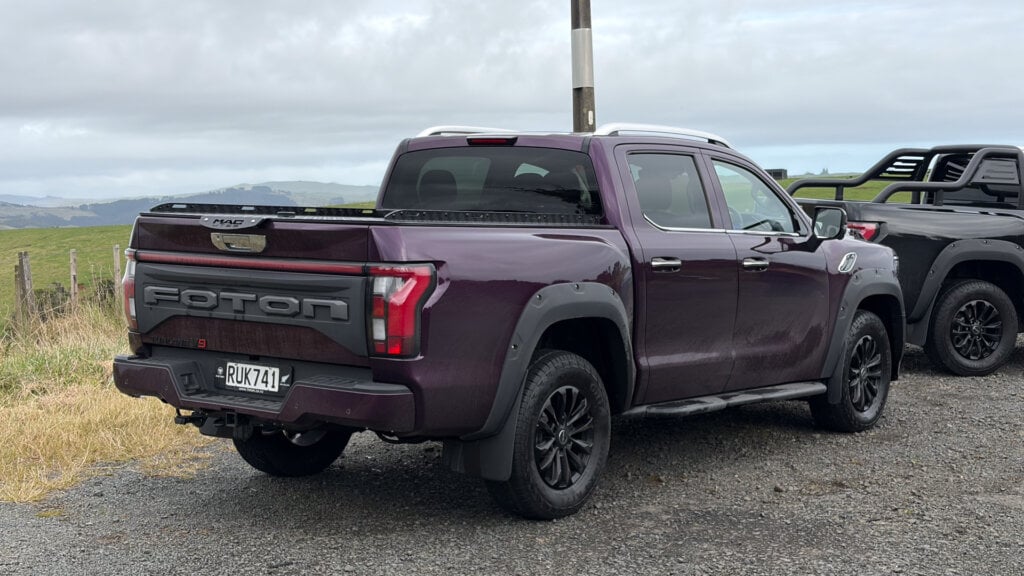
They drive well, can tow proficiently, and feature more creature comforts on the inside than most will need in a ute.
At its price point, you’d be cross-shopping the Tunland with its other Chinese-built rivals such as the GWM Cannon Alpha, the LDV Terron 9, and the MGU9. These all represent well-appointed options in the $40,000 – $60,000 range, giving buyers a lot of choice.