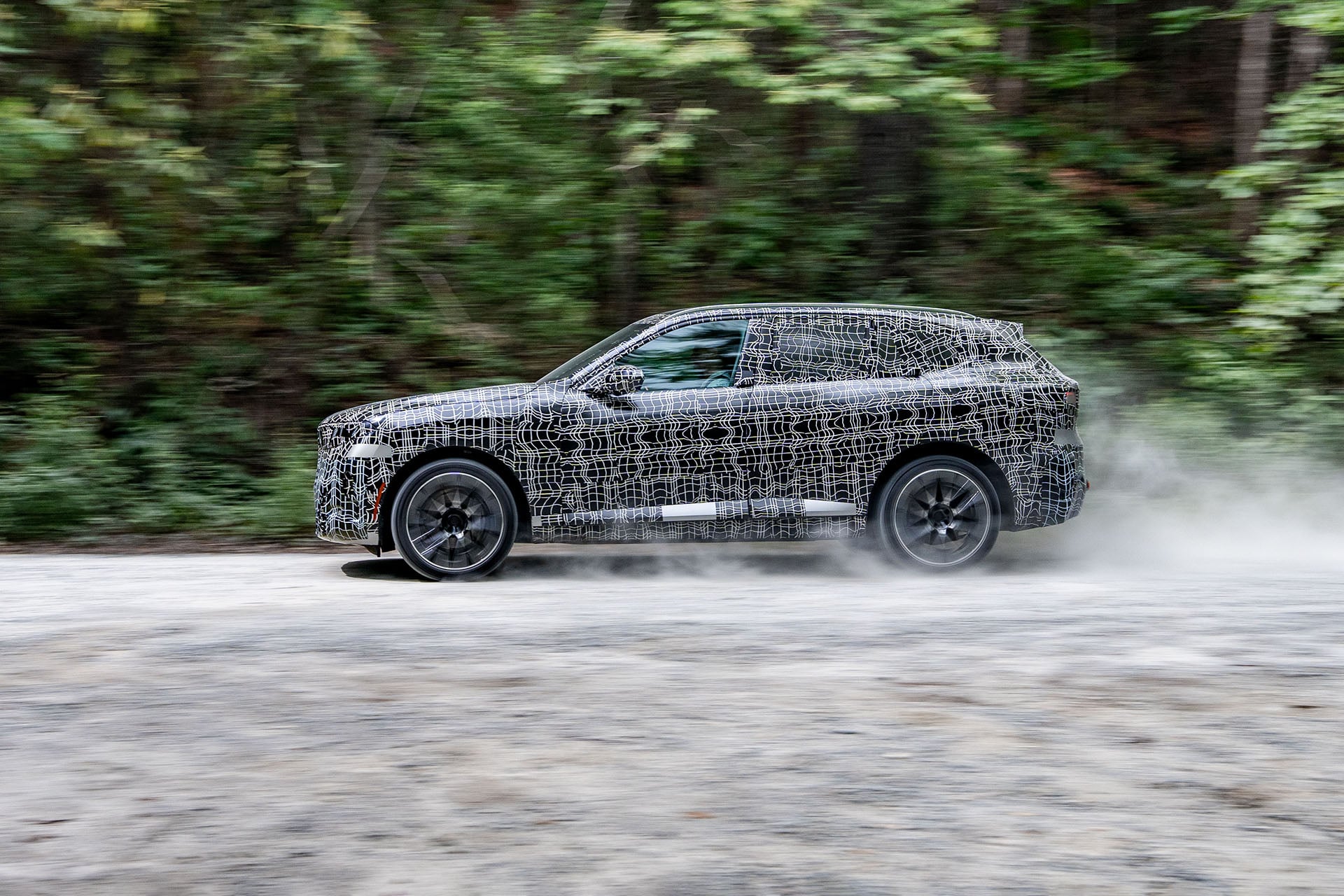
New BMW X5 to offer petrol, diesel, plug-in hybrid, EV and hydrogen power
Words: Kyle Cassidy
BMW’s next-generation X5 is entering the final stages of development ahead of its global debut, and the fifth-generation luxury SUV is shaping up to be one of the most diverse models the brand has ever offered.
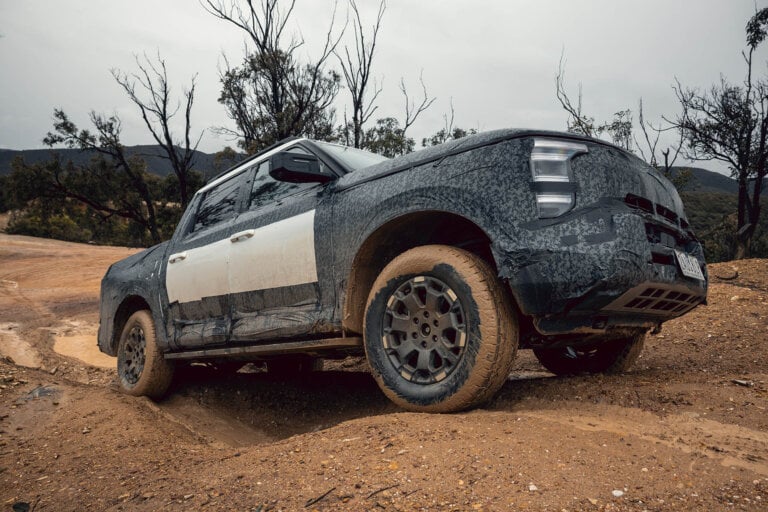
Currently undergoing final calibration testing around BMW’s Spartanburg production facility in South Carolina, the new X5 will be launched with a diverse range of powertrains, including petrol, diesel, plug-in hybrid, battery-electric and hydrogen fuel-cell options.
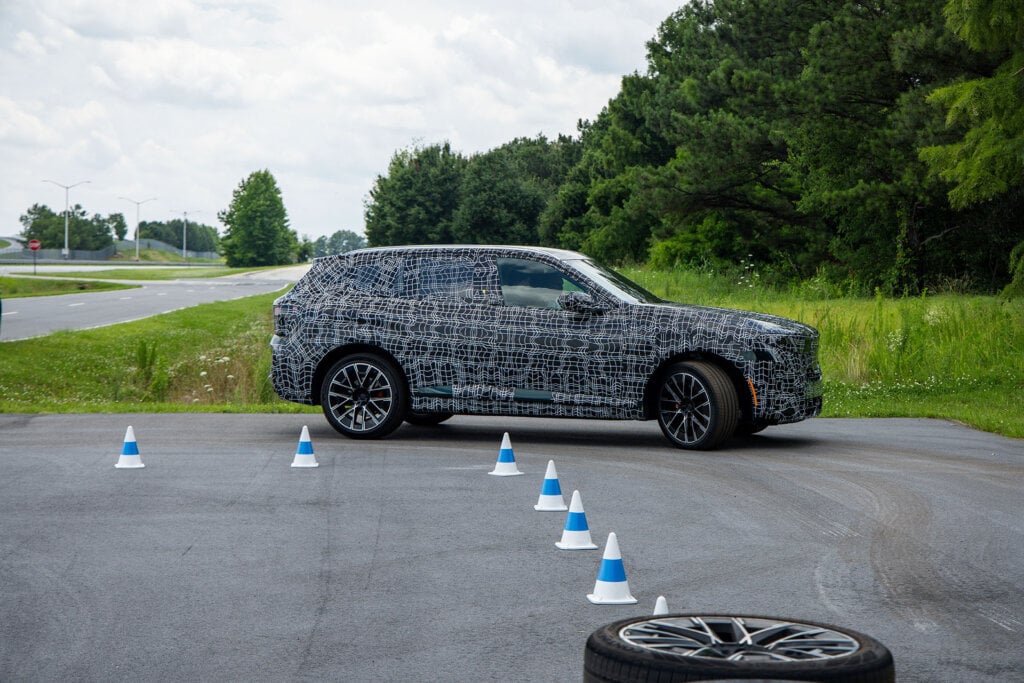
The headline act will be the arrival of the fully electric BMW iX5, the first X5 EV and the first production BMW to utilise the company’s sixth-generation eDrive technology.
BMW says the iX5 features a new 800-volt electrical architecture and cylindrical battery cells, with a usable battery capacity of up to 144kWh. That makes it the largest battery ever fitted to a fully electric BMW production vehicle. Dual electric motors provide all-wheel drive, with the iX5 60 xDrive producing 425kW.
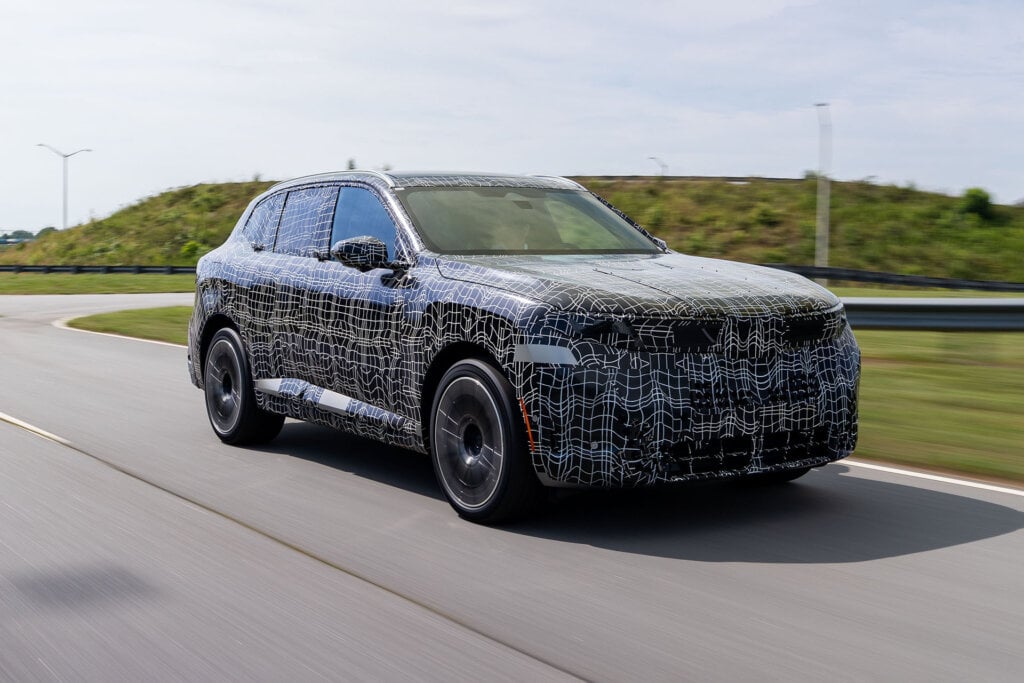
Further down the track, BMW will add another significant milestone to the X5 range. In 2028, the company plans to launch the first hydrogen-powered production BMW, known as the iX5 Hydrogen.
The hydrogen model will use a third-generation fuel-cell system combined with a high-voltage battery and a newly developed Flat Storage hydrogen tank arrangement. Seven carbon-fibre reinforced high-pressure tanks are packaged beneath the vehicle floor, allowing BMW to preserve passenger and luggage space while enabling hydrogen-powered models to be built alongside conventional X5 variants on the same production line.
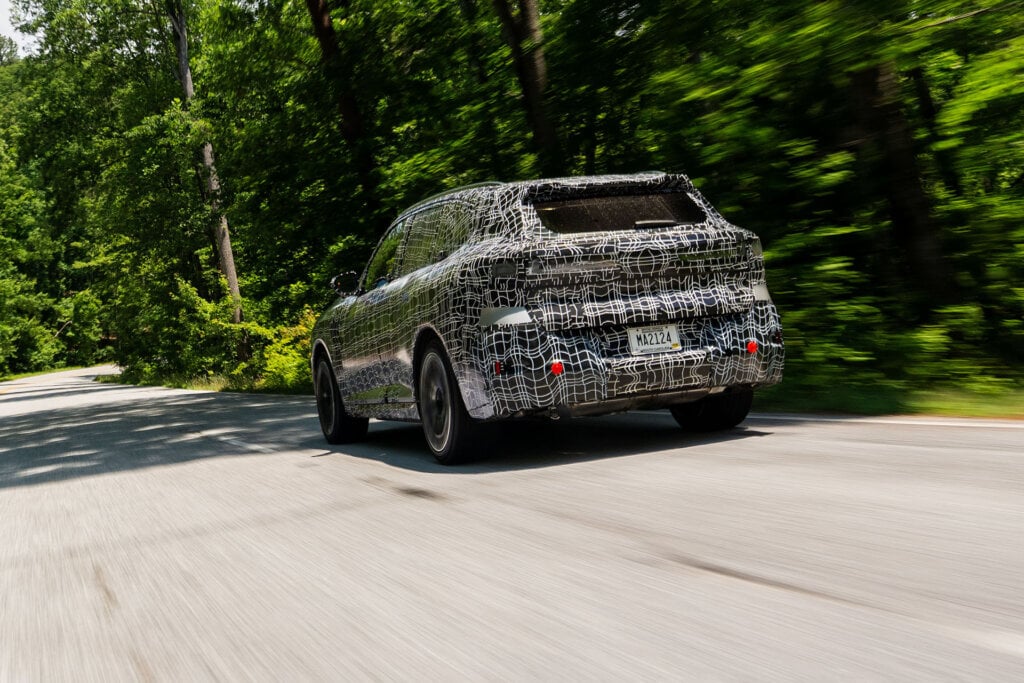
Traditional powertrains are not being forgotten. Buyers will also be able to choose petrol and diesel engines featuring 48-volt mild-hybrid assistance, while plug-in hybrid versions remain part of the line-up. Among the prototypes currently being tested are the X5 40 xDrive, producing 294kW, and the X5 50e xDrive plug-in hybrid with a combined output of 360kW.
Read more – BMW previews next-generation M3 EV with wild M Concept Neue Klasse
The new X5 will also introduce technology developed as part of BMW’s Neue Klasse programme. Central to this is the new “Heart of Joy” control system, which integrates powertrain, braking, steering, charging and energy recuperation functions into a single high-speed control unit.
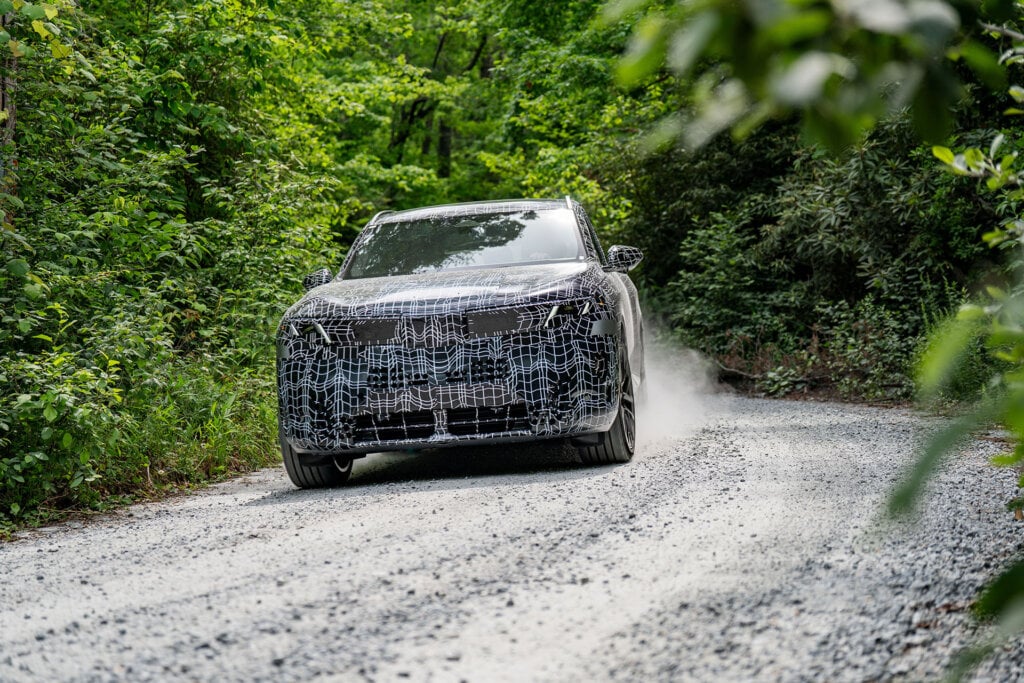
BMW claims the system reacts up to ten times faster than previous vehicle control systems, improving handling precision, ride comfort and energy efficiency. In electric and hydrogen-powered models, it also enhances regenerative braking performance.
Suspension technology has also been upgraded. Adaptive suspension with electronically controlled dampers is standard, while optional Adaptive Chassis Control Professional adds two-axle air suspension, active anti-roll technology and rear-wheel steering on selected models.
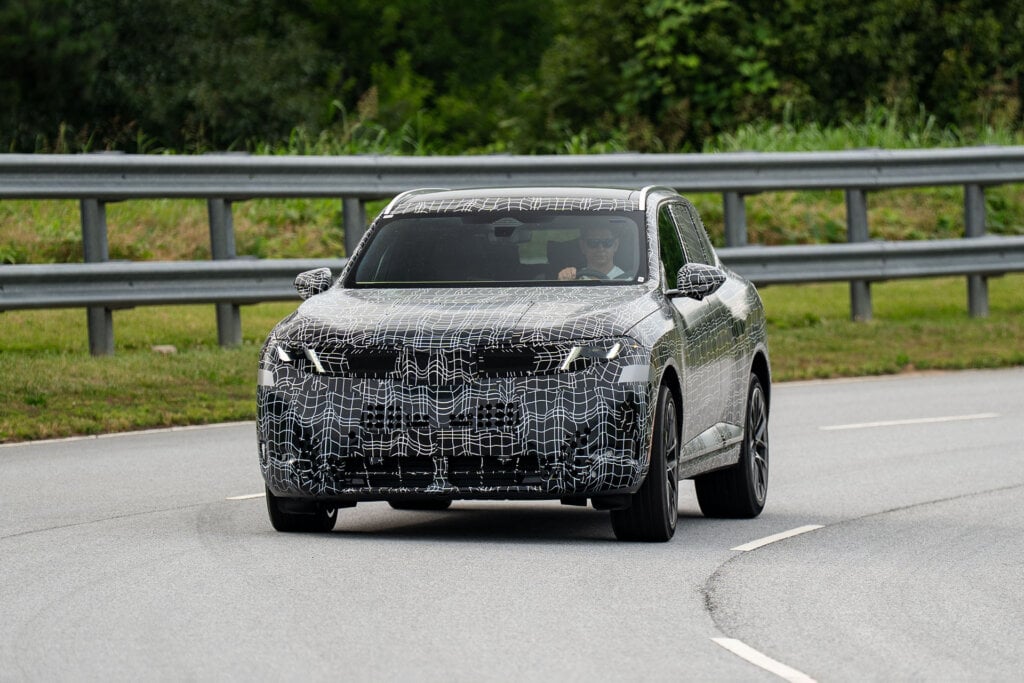
Driver assistance systems receive a significant overhaul as well. The new X5 will feature BMW’s latest Level 2 semi-autonomous driving technology, including motorway and urban driving assistance functions. The system has been designed to work collaboratively with the driver, allowing steering, braking and acceleration inputs without immediately disengaging assistance features.
Additional safety technologies include enhanced lane-keeping assistance, lane-change warning, side collision prevention, automated evasive steering support and improved crossing traffic alerts.
BMW has yet to confirm a launch date for New Zealand, but with testing now entering its final phase, the new X5 is expected to make its international debut in the near future before reaching global markets from 2027.