No, apparently BMW’s logo wasn’t inspired by an aircraft propeller
Words: Kyle Cassidy
BMW’s blue and white roundel is one of the most recognisable badges in the motoring world, but the company says its origin story isn’t quite as widely understood.
Most car people would tell you the design represents an aircraft propeller spinning against a blue sky, but BMW says the logo was actually created to reflect the company’s Bavarian roots. Who knew?
BMW says the badge was first registered in 1917, shortly after Bayerische Motoren Werke GmbH was established as the successor to Rapp Motorenwerke GmbH.
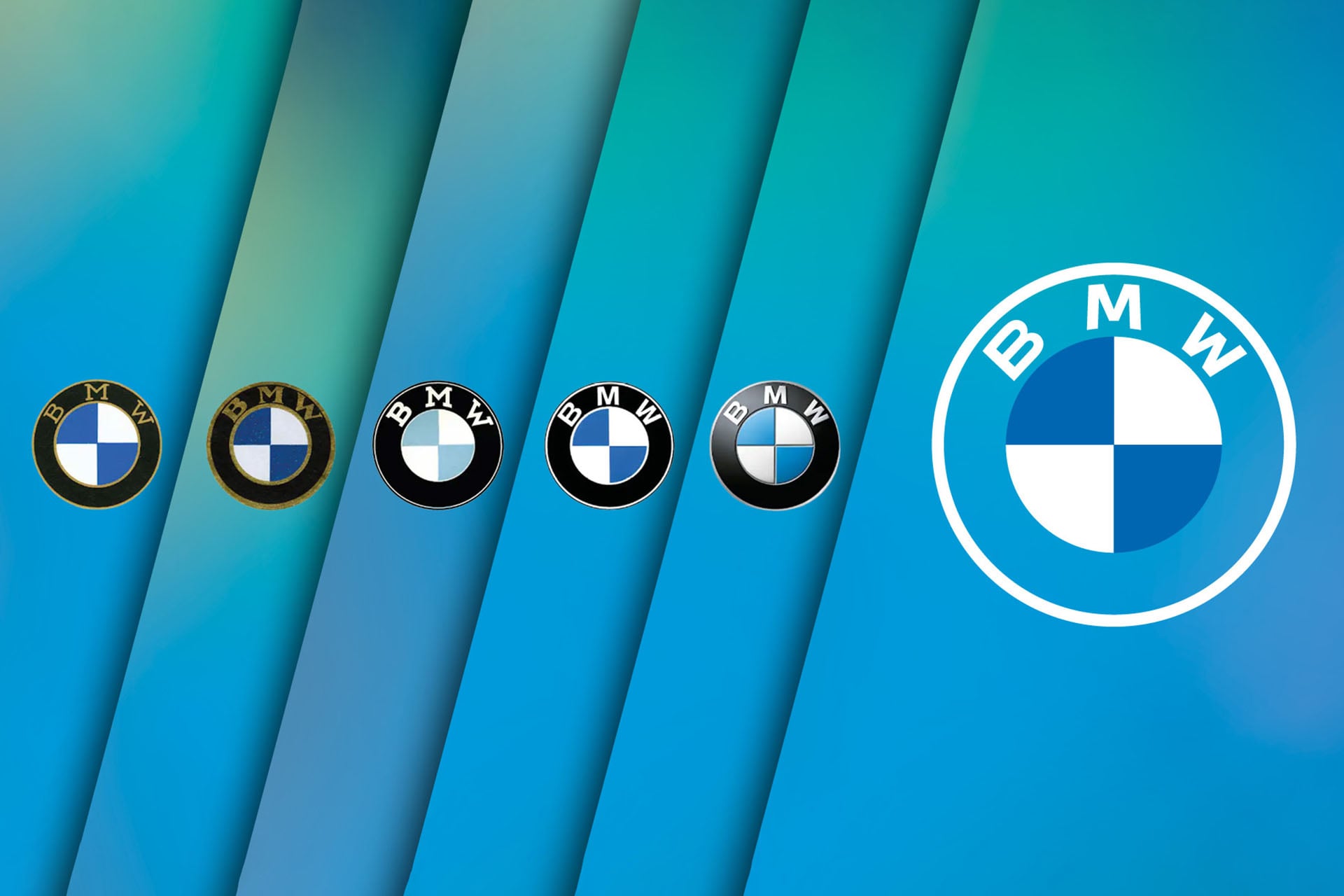
Rather than starting from scratch, the story goes that BMW retained the black outer ring used in the Rapp Motorenwerke emblem. The company’s initials were added around the edge, while the centre was divided into the familiar blue and white quadrants.
So why blue and white? Those colours were chosen as a reference to Bavaria, the German state in which BMW was founded. However, they say that trademark regulations prevented the Bavarian colours from being reproduced in exactly the same order as they appeared on the state flag. That resulted in the arrangement used in the BMW roundel today.
So, where did the propeller story come from then?
Apparently, it can be traced to a BMW advertisement published in 1929, more than a decade after the logo was registered. At the time, BMW was producing aircraft engines, and the advertisement showed the roundel superimposed over a spinning aircraft propeller.
It was a clever way to connect BMW’s aviation activities with its wider brand identity, but it also created an interpretation that would stick for almost a century.
It is said that the story gained further credibility in 1942 when a BMW company publication again linked the roundel with an aircraft propeller.
The catch is that historical records show the badge was created before BMW’s first flight-tested aircraft engine. So we guess that makes it a stretch for a spinning propeller to have been the original inspiration.
Instead, the roundel is said to have brought together elements of the former Rapp Motorenwerke emblem and the colours associated with BMW’s home state.
According to the company, the badge initially appeared in company material rather than on vehicles. Its first notable automotive application came in 1923, when it was fitted to the BMW R 32, the brand’s first motorcycle.
BMW has since revised the roundel several times, although the fundamental design has remained remarkably consistent. The black outer ring, company initials and blue and white centre have survived as BMW expanded from its early engineering and aviation activities into a global car and motorcycle manufacturer.